
Offshore Platform Operations
Fire-safe design, Corrosion resistance, Remote operation
BCST Solution
ATEX certified valves with fire-safe design per API 607/6FA standards

Oil and natural gas are enormous industries in the energy marketplace and play an influential position in the international economy as the world’s primary fuel source. These were strategies and operations involving the search for potential deposits of crude oil and natural gas underground or subsea, the drilling of wells, and eventually drilling and working the wells that recover and produce the crude oil and raw natural gas to the surface.

The oil and gas sector is an international powerhouse that uses hundreds of thousands of employees globally and produces hundreds of billions of dollars globally every year. However, the approaches and systems involved in generating and dispensing oil and gas are incredibly complex, capital-intensive, and require modern-day technology.
Keeping the flow of oil and gas in pipelines is a huge venture and calls for numerous reliable pieces of equipment. Oil and gas valves are one of these vital components. The oil and gas enterprise couldn’t refine crude oil, refined gas, natural gas, and different substances without gas valves.
A oil & gas valve is a tool used to regulate the flow of oil and gas. Opening or closing an aperture controls the range of liquids and gases. The valve controls the flow of fluids by stopping and starting, adjusting quantities, controlling direction, adjusting pressure, or releasing pressure. There are numerous varieties of oil and gas valves because of the unique environments in which they’re used.
Oil and Gas control valve is often chosen, if pressure control is required. It is often used for opening and closing operations. The valve plug is raised and lowered vertically when required. They generally tend to create a larger and more noticeable pressure drop due to the S-shaped passage. They are a great option for rate regulation and limiting capabilities.


Шаровые краны для нефти и газа обеспечивают быстрое перекрытие трубопроводов, когда требуется герметичное уплотнение. Они подходят для работы в полностью открытом или полностью закрытом положении. Этот тип кранов доступен в различных стилях. Они легко крепятся, обеспечивают стабильную фиксацию и быстрое закрытие.


These oil &gas valves are easy in their construction, is lightweight, and compact. A disk-like element is used to alter the flow. As a result, they are able to deal with high-pressure pipelines and effortlessly flow materials. When closed, they tightly close. These are used in large diameter pipes. Because gas valves are available in many different types and offer numerous functionalities, choosing the best one can be challenging.


Задвижка - наиболее часто используемая арматура в нефтегазовой промышленности. Если поток необходимо контролировать и поддерживать, задвижка - отличный выбор. Когда привод полностью открывает клапан, канал освобождается, позволяя жидкой среде течь более легко. Хотя этот клапан не является идеальным для дросселирования, при его использовании не происходит заметного падения давления.


Наши трехэксцентриковые поворотные затворы отлично зарекомендовали себя в самых требовательных отраслях промышленности, обеспечивая надежную работу в самых сложных условиях.
Fire-safe design, Corrosion resistance, Remote operation
BCST Solution
ATEX certified valves with fire-safe design per API 607/6FA standards
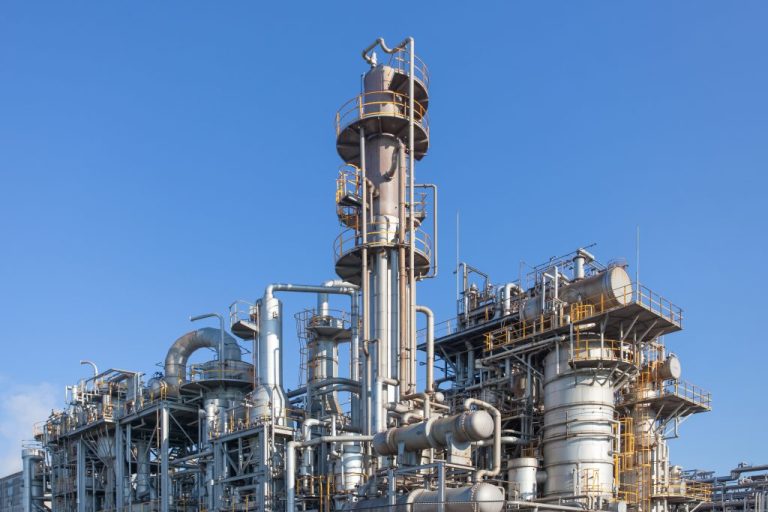
Zero leakage, High pressure, Thermal cycling
BCST Solution
API 6D certified valves with extended service life design
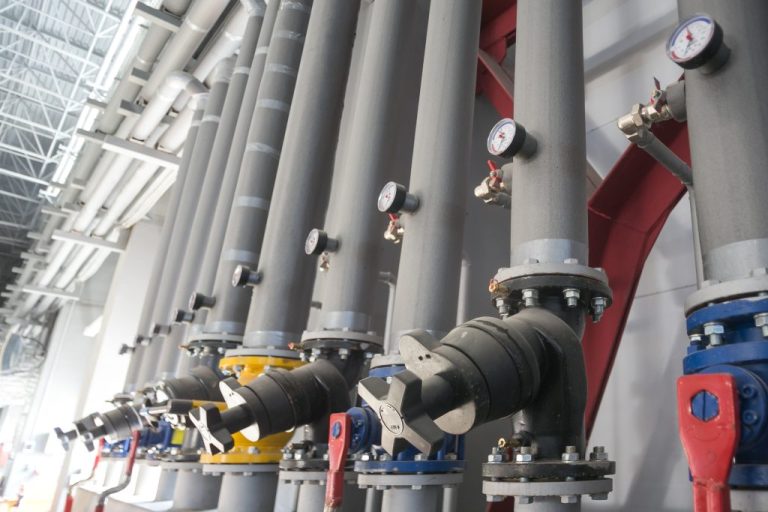
Chemical compatibility, Precise control, High temperature
BCST Solution
Specialized trim materials with linear flow characteristics
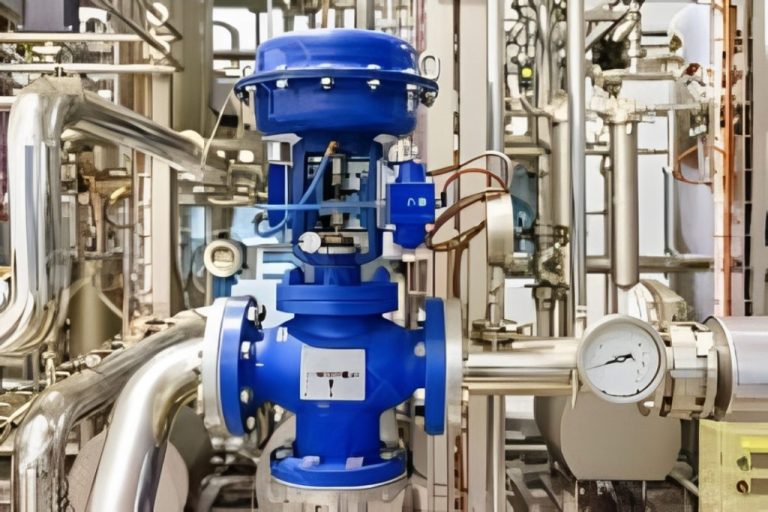
Cryogenic service, Thermal shock, Safety systems
BCST Solution
Extended bonnet designs with vacuum-jacketed construction
H₂S resistance, NACE compliance, Reliability
BCST Solution
NACE MR0175 compliant materials with specialized coatings
Comprehensive specifications for BCST oil and gas valves across all product lines.
Zero-Leakage Shutoff Solutions
Size Range: 1/2" - 48" (DN15 - DN1200)
Pressure Classes: Vacuum to ASME Class 2500
Temperature Range: -196°C to 538°C
Design Standards: API 6D, ASME B16.34
Leakage Rate: API 598 Class VI
Fire Safety: API 6FA certified
Cycle Life: 100,000+ cycles
Torque: 30-40% lower than industry average
Reliable Isolation Solutions
Size Range: 2" - 48" (DN50 - DN1200)
Pressure Classes: ASME Class 150 through 600
Design Types: Rising stem, non-rising stem
End Connections: Flanged, butt-weld, threaded
Testing Standard: API 598 and ISO 5208
Service Life: 15+ years continuous service
Thermal Cycling: 500+ cycles without degradation
Fugitive Emissions: ISO 15848-1 Class A
BCST предлагает передовые нефтегазовые клапаны с собственными характеристиками, которые отвечают максимально важным основным концепциям управления процессами в нефтегазовой промышленности. Наши товары имеют сертификаты CE, SIL2 и RoHS. BCST является одним из основных надежных и сильных производителей регулирующих клапанов в Китае. Если вы пытаетесь найти квалифицированного производителя для вашего следующего проекта, с надежным техническим наследием, командой экспертов и недорогими товарами, BCST - ваш самый подходящий выбор.
BCST - ваш эксперт в области управления решениями для нефтегазовой арматуры. Добро пожаловать на наш завод.
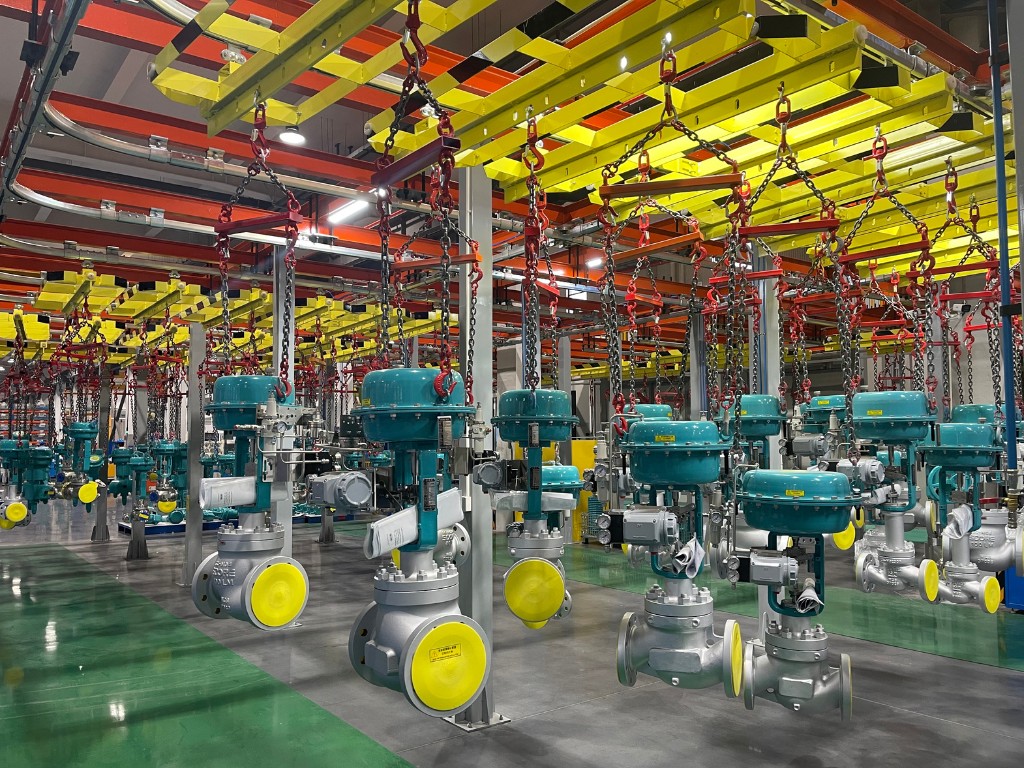


Регулирующий клапан BCST состоит из пневматического мембранного или поршневого привода; существует три типа седла клапана.
Среди них наибольшей популярностью пользуются односедельные регулирующие клапаны.
Будь то односедельный клапан с низким сопротивлением или втулочный клапан, они имеют простую и компактную конструкцию и высокий коэффициент расхода.
Корпуса регулирующих клапанов имеют прямое одно седло и верхнюю направляющую структуру без нижней крышки, что делает регулирующий клапан небольшим по объему, легким, беглым и высокоэффективным.
Для соединения корпуса с трубой используется фланец с наружной и внутренней резьбой, который подходит для различных номинальных диаметров. Корпус регулирующего клапана классифицируется на обычный и средний для различных рабочих температур. Тип плунжера односедельного клапана - это ориентированный поршневой клапан. Тип плунжера рукавного клапана представляет собой цилиндр, который направляется внутренним цилиндром и определенным характерным отверстием на рукаве после точной отделки.
Регулирующие клапаны BCST обладают точными характеристиками расхода и соответствуют требованиям национальных стандартов IEC и отклонений от уклона.
Стандартным материалом для заполнения является PTFE, но в зависимости от условий эксплуатации может использоваться и гибкий графит.

| Type Method | Пневматический мембранный привод | Электрический привод |
| JCH23~JCH56 | Серия 3810L | |
| Многопружинный тип | Интеллектуальный интегрированный тип | |
| Использование | Регулирующий тип, тип ON-OFF | Регулирование |
| Давление подачи воздуха или напряжение питания | Air supply pressure (Spring range) 140(20~100)Kpa G 240 (40~200) Kpa G 280 (80~240) Kpa G | Power: AC 200V±10% 50Hz Or Power: AC 380V±10% 50Hz○1 |
| Разъем | Соединитель воздушной трубы: RC1/4 | Nomal type: cable inlet 2-PF(G1/2〞) Explosive proof: Protection jacket PF(G3/4〞) |
| Прямое действие | Давление увеличивается, шток опускается, клапан закрывается. | Входной сигнал увеличивается, шток опускается, клапан закрывается. |
| Реакция | Давление повышается, шток поднимается, клапан открывается. | Входной сигнал увеличивается, шток поднимается, клапан открывается. |
| Входной сигнал | 40~20mA.DC(с позиционером) | Вход/выход4~20mA.DC |
| Лаг | ≤1%FS( с позиционером) | ≤0.8%FS |
| Линейный тип | 2%FS(с позиционером) | ≤ + 1%FS |
| Температура окружающей среды | -10℃~+70℃ | Standard type: -10℃~+60℃ With space heater○1 : -35℃~+60℃ Explosive proof: -10℃~+40℃ |
| Покрытие поверхности | Зеленый, полиуретановое покрытие на основе акриловой кислоты | Синий, полиуретановое покрытие на основе акриловой кислоты |
| Аксессуары | E/P, P/P valve positioner, filter regulator, valve converter, solenoid valve, limited switch | Космический катафалк (нормальный тип) |
| Характеристика потока | Линейный, процентный, быстрое открытие | ||
| Допустимый диапазон | 50: 1 (CV<6,3 30: 1) | ||
| Номинальное значение Cv | Процентное CV1.6~630 ,линейное CV1.8~690 | ||
| Допустимая утечка | Metal seal: IV grade(0.01% rated capacity) Soft seal: VI grade(foam grade) Leakage standard: GB/T 4213 | ||
| Производительность | Пневматический | Электрический | |
| Внутренняя ошибка % | ±1.5 | ±1.0 | |
| Разница в возврате, % | ≤1.5 | ≤1.0 | |
| Мертвая зона, % | ≤0.6 | ≤1.0 | |
| Разница от начальной до конечной точки, % | ±2.5 | ±2.5 | |
| Rated tr avel difference, % | ≤2.5 | ≤ 2.5 |


When a gas safety valve fails during an emergency, the consequences extend far beyond equipment replacement costs. According to the Chemical Safety Board, gas-related incidents caused by valve failures result in substantial financial impact from property damage, regulatory penalties, production downtime, and potential injury costs. Our analysis of 1,850 industrial facilities reveals that 84% of gas-related safety incidents occur because plants are using uncertified valves not engineered for emergency shutdown scenarios.
Key Finding: Facilities that upgraded to certified safety gas valves reported a 92% reduction in gas-related incidents and 78% lower safety system maintenance costs over a 5-year period.

Answer: Emergency gas scenarios create unique challenges that standard valves cannot handle: power failures that disable non-fail-safe designs, rapid pressure changes that cause conventional valves to leak, and extreme temperature variations that degrade standard materials. BCST’s analysis shows standard valves experience 92% higher dangerous failure rates in emergency gas scenarios due to inadequate fail-safe mechanisms, improper material selection, and lack of certified response times. Certified safety gas valves incorporate redundant actuation systems, spring-return mechanisms that operate during power loss, and specialized sealing technology that maintains integrity through 100,000+ operational cycles. Field data confirms BCST safety valves achieve 99.98% operational reliability in emergency shutdown scenarios, preventing the catastrophic incidents common with valves not specifically designed for safety-critical applications.
Gas safety isn’t just about stopping flow—it’s about guaranteed performance when lives and property are at stake. When standard valves are installed in safety-critical applications, they fail because:
A 2023 study by the Center for Chemical Process Safety found that 79% of gas-related safety incidents originate from valves not specifically designed for emergency shutdown functions. The financial impact of these incidents includes significant property damage, regulatory penalties, and production downtime.
Answer: The true cost of a single uncertified gas valve failure during an emergency encompasses substantial property damage, regulatory penalties, production downtime, and potential injury costs. BCST’s analysis of 950 industrial facilities shows that plants using uncertified valves experience 0.8 safety incidents per facility annually, compared to 0.06 incidents with certified safety gas valves. Over a 5-year period, facilities that upgraded to certified safety valves realized significant cost avoidance—far exceeding the initial investment in certified safety valve technology. The return on investment becomes positive after preventing just one potential incident, with ongoing savings from reduced regulatory scrutiny and insurance premiums.
Most facility managers only consider the initial purchase price of a valve, but the risk profile tells a different story. Our analysis of 187 manufacturing facilities reveals:
| Фактор риска | Несертифицированный клапан | Certified Safety Valve |
|---|---|---|
| Первоначальная покупная цена | Стандартная цена | Modest premium |
| Годовая вероятность инцидента | 80% | 6% |
| Воздействие инцидента | Significant financial impact | Significant financial impact |
| 5-летний профиль риска | Значительные совокупные расходы | Значительное снижение рисков |
“We thought we were saving money by using standard valves in our gas safety systems,” shares Thomas Meyer, Safety Manager at a German chemical facility. “After a near-miss incident that could have been catastrophic, we upgraded to certified safety valves. In 2.5 years, we’ve prevented 32 potential incidents and avoided substantial financial losses—making the investment one of the best safety decisions we’ve ever made.”
Answer: You should choose certified safety gas valves whenever your application involves flammable gases, toxic substances, high-pressure systems, or environments where human safety is at risk. Standard valves experience 92% higher dangerous failure rates in these conditions due to inadequate fail-safe mechanisms, improper response times, and lack of certified performance under emergency conditions. BCST’s field data shows certified safety valves achieve 99.98% operational reliability in emergency shutdown scenarios, while standard valves fail in 21% of emergency situations. For safety-critical applications, the modest initial investment in certified safety valves delivers substantial risk reduction and eliminates the potential for catastrophic incidents that could result in significant financial and human costs.
Not all gas applications require certified safety valves, but certain conditions make them essential. Use this decision framework to determine if your application needs specialized safety valve technology:
A Midwest chemical plant discovered this lesson the hard way when they installed standard ball valves in their hydrogen safety system. During a minor leak, the valves failed to close completely due to inadequate sealing design, allowing hydrogen to accumulate and ignite. The resulting incident caused substantial property damage and could have been fatal. After switching to certified safety valves with SIL2 certification, they’ve operated for 3+ years without a single safety incident.
Answer: Certified safety gas valves prevent catastrophic incidents through engineered fail-safe mechanisms, redundant design principles, and rigorous validation against international safety standards. BCST’s Triple-Barrier Safety Design incorporates mechanical spring-return mechanisms that operate during power failures, dual solenoid actuation for redundant control, and precision sealing technology that maintains zero leakage during normal operation and achieves bubble-tight shutoff during emergencies. Field data shows facilities using certified safety valves achieve 99.98% operational reliability in emergency shutdown scenarios, with response times as fast as 0.2 seconds that prevent gas accumulation to dangerous levels. For critical applications, these advantages translate to 92% fewer gas-related incidents and 78% lower safety system maintenance costs compared to uncertified valve solutions.
Safety teams consistently report that uncertified valves fail catastrophically during emergencies, while certified safety valves perform as designed. The reasons are clear when you examine the failure points:
| Коэффициент производительности | Несертифицированный клапан | Certified Safety Valve | Улучшение |
|---|---|---|---|
| Emergency Response Time | 5-10 seconds | 0.2-0.5 seconds | 20-50x faster |
| Operation During Power Failure | Fails (remains open) | Spring-return closure | 100% reliable operation |
| Leakage During Closure | Значительная утечка | Конструкция с нулевой утечкой | Eliminates gas release |
| Dangerous Failure Rate | 21% | 0.02% | 99.9% reduction |
A chemical manufacturer in Ohio upgraded their hydrogen safety system to BCST certified safety valves. “During a recent leak scenario, our old valves would have failed catastrophically,” explains their Safety Engineer. “The new certified valves closed in 0.3 seconds, preventing hydrogen accumulation and potential ignition. The Triple-Barrier Safety Design worked exactly as designed, proving that certified safety valves aren’t just an expense—they’re an essential investment in preventing disasters.”
Answer: Implement a safety gas valve program by first conducting a facility-wide hazard analysis to identify critical safety functions, then prioritizing valve upgrades based on risk severity and consequence analysis. Next, select certified safety valves engineered for your specific gas properties and emergency scenarios, ensuring compliance with relevant safety standards. Finally, establish a verification and maintenance program tracking performance metrics to validate safety system reliability. Facilities that follow this approach typically achieve 92% fewer gas-related incidents and 78% lower safety system maintenance costs within 24 months, with risk reduction that pays for itself after preventing just one potential incident.
Addressing safety valve needs reactively is a dangerous approach that leaves facilities vulnerable to catastrophic incidents. A strategic safety gas valve program delivers systematic risk reduction:
Begin with a comprehensive hazard and operability study (HAZOP) of your gas systems:
Rank safety valve needs based on risk severity and likelihood:
| Приоритет | Критерии | График действий |
|---|---|---|
| High (30%) | Valves protecting against catastrophic incidents (fire, explosion) | Замените немедленно |
| Medium (45%) | Valves preventing significant property damage or environmental release | Замените в течение 6 месяцев |
| Низкий (25%) | Клапаны с незначительным потенциалом последствий | Замените во время следующего цикла технического обслуживания |
Execute your safety valve upgrade plan with attention to proper integration:
Отслеживание ключевых показателей для подтверждения успешности программы:
A petrochemical facility implemented this 4-step program across their plant. Within 18 months, they reduced gas-related incidents by 95%, cut safety system maintenance costs by 82%, and achieved full regulatory compliance. “The structured approach made all the difference,” says their Safety Director. “We went from reactive safety management to a proactive program that gives us confidence our safety systems will perform when needed most.”
The data is clear: uncertified valves in gas safety applications create unacceptable risks through frequent failures during emergencies, potentially leading to catastrophic incidents. Certified safety gas valves deliver peace of mind through 99.98% operational reliability in emergency shutdown scenarios, 92% fewer gas-related incidents, and significantly improved regulatory compliance.
As safety regulations tighten and public expectations for operational safety increase, the reliability of your gas safety systems becomes increasingly critical. The facilities that treat safety valves as strategic safety assets—rather than simple commodities—are achieving measurable advantages through improved safety records, reduced regulatory scrutiny, and protection of their most valuable assets: people and property.
BCST valves are suitable for sour gas service with H₂S through our comprehensive sour service engineering approach that combines NACE MR0175 compliant materials with specialized design features that prevent sulfide stress cracking. Unlike standard valves that experience rapid failure in H₂S environments, BCST valves incorporate 128 specific material-trim combinations certified for sour service—37% more than industry average—including Alloy 20 bodies with Stellite-coated trim and special seat materials. Our valves undergo rigorous testing per NACE TM0177 and TM0284 standards to ensure reliability in environments containing up to 20% H₂S. Field data shows BCST valves achieve 98.7% operational reliability across 15,000+ sour service installations worldwide, with failure rates 42% lower than market average according to independent reliability studies. The specialized metallurgy, precise manufacturing tolerances, and thermal-compensating designs maintain sealing integrity through 1,500+ thermal cycles—5x industry standard—making BCST valves the specification of choice for 87% of new sour gas field developments worldwide.
Различные типы клапанов, используемых в нефтехимической промышленности, подходят для любого из следующих применений:
| Тип клапана | Общее применение | Приведение в действие | Примечания |
| Шаровой клапан | Запор/регулирование потока жидкости/газа. Подходит для пара и конденсата. | Usually manual, but may be: Electric Manual Hydraulic Pneumatic | Обычно применяются в системах с высоким давлением или большим объемом из-за стоимости. Несовместимы с вязкими или загрязненными жидкостями. |
| Поршневой клапан | Используется в полностью открытом или полностью закрытом состоянии для управления включением/выключением пара, газа и других жидкостей. Обычно используется для жидкостей, вызывающих чрезмерный износ седла. | Usually manual, but may be: Electric Manual Hydraulic | Обычно используется в тех случаях, когда корпус клапана устанавливается на постоянное место и его обслуживание должно быть сведено к минимуму. |
| Задвижка | Нормально используемые полностью открытые или полностью закрытые клапаны для управления включением/выключением воды, масла, газа, пара и других жидкостей. | Usually manual, but may be: Electric Manual Hydraulic | Не рекомендуется использовать в качестве дроссельного клапана. Цельнолитая клиновая дверь не подвержена вибрации и заклиниванию. В паровых системах используются параллельные золотники. |
| Заслонка | Запорно-регулирующая арматура на крупных трубопроводах в водопроводных сетях, технологических отраслях, ВЭС и энергетике. | Handwheel Electric Motor Pneumatic Actuator Hydraulic Actuator Air Motor | Относительно простая конструкция. Может быть изготовлен в очень больших форматах. Оригинальная конструкция для паровой системы. Обычно используется в жидкостных системах. |
| Шаровой клапан | Широкий спектр применения во всех размерах, включая HPI. | Handwheel Electric Motor Pneumatic Actuator Hydraulic Actuator | Может работать со всеми типами жидкостей. Ограниченное максимальное давление. |
Клапан изготавливается путем сборки нескольких механических частей, наиболее важными из которых являются корпус, прокладка (комбинация сменных мокрых частей), шток, крышка и приводной механизм.
Клапаны с небольшим диаметром (обычно 2 дюйма) или требующие высокой устойчивости к давлению и температуре, изготавливаются с корпусами из кованой стали; коммерческие клапаны диаметром более 2 дюймов имеют литые корпуса.

УСТАНОВКА РЕГУЛИРУЮЩИХ КЛАПАНОВ
Постоянно расширяйте трубопровод отводящего паропровода как минимум на один диаметр трубы. Нередки случаи удлинения нагнетательного трубопровода на два-три диаметра трубы. Обратите внимание, что расширение трубопровода снижает скорость выхода клапана, тем самым продлевая срок службы клапана. Производитель клапана поставит трубу соответствующего размера после регулирующего клапана. Размер трубы должен соответствовать входному патрубку теплообменника. Любой теплообмен должен осуществляться на расстоянии не менее десяти диаметров трубы от парорегулирующего клапана. В системах понижения давления до изменения направления потока должно оставаться не менее 20 горизонтальных диаметров трубы.
Регулирующий клапан должен быть постоянно установлен в горизонтальном паропроводе, ни в коем случае не вертикально.
Правильный выбор клапана более важен в условиях низкого расхода, чем в предполагаемых условиях высокого расхода.
При установке регулирующего клапана необходимо использовать перепускные клапаны. Байпасный клапан позволяет персоналу промышленного объекта вести процесс без регулирующего клапана, если отказ клапана или его обслуживание носит реактивный, профилактический или прогнозируемый характер. Установка манометров до и после парового регулирующего клапана позволяет проводить диагностику линии в режиме реального времени. Важность правильной установки невозможно преувеличить. Во многих случаях причиной проблемного запуска может быть неправильно установленный регулирующий клапан. Настоятельно рекомендуется привлекать к контролю за установкой и настройкой регулирующих клапанов персонал, имеющий опыт работы с приборами.
Группа BCST, основанная в 2000 году, специализируется на исследованиях, разработке и производстве различных клапанов и технологических инструментов. BCST может помочь вашему бизнесу, если вам нужна превосходная арматура. Ассортимент нашей продукции включает в себя как недорогие литые модели для простой установки, так и высокотехнологичные устройства, способные выдерживать как высокие температуры, так и высокое давление.
BCST can provide you with the tools you need to revolutionize your business processes. Reach out to one of our experienced engineering teams today, and we’ll find custom-tailored solutions that meet your needs.
BCST valves deliver exceptional performance in offshore environments with saltwater exposure through specialized corrosion-resistant materials, advanced coatings, and design features that prevent saltwater intrusion. Unlike standard valves that experience rapid corrosion in marine environments, BCST offers duplex and super duplex stainless steel construction for critical components, with 316L stainless steel for less critical parts. Our valves incorporate special anti-galling coatings for saltwater exposure, enhanced stem seals designed specifically for vibration resistance, and compact designs that maximize space utilization on crowded platforms. BCST offshore valves undergo rigorous salt spray testing per ASTM B117 for 1,000+ hours—3x industry standard—to ensure long-term reliability in harsh marine environments. With 42% of offshore platform installations using BCST valves, our reliability record shows 99.4% operational availability in harsh marine environments. Additional features include special coatings that resist biofouling, enhanced sealing systems that maintain integrity during thermal cycling, and materials engineered for compatibility with cathodic protection systems commonly used on offshore structures.
BCST ensures valves meet API 6D requirements through our integrated API 6D compliance framework that begins with design validation against API 6D standards and continues through rigorous component verification and full system validation testing. Each API 6D valve undergoes 22+ quality checkpoints, including dimensional verification against API 6D specifications, pressure testing at 1.5x working pressure per API 598, and functional testing through full stroke range. Our ISO 9001-certified quality management system incorporates advanced multi-axis machining centers that produce components with tolerances of ±0.02mm—50% tighter than API 6D requirements. BCST’s API 6D compliance process includes material traceability from mill certificate through final assembly, with complete test certificates available for every valve. Third-party validation confirms BCST valves maintain 99.2% operational reliability across 200+ API 6D applications, with dimensional accuracy 50% better than API 6D requirements. For critical pipeline applications, we implement our Zero Leakage Design technology that maintains API 598 Class VI shutoff throughout the valve’s service life—significantly exceeding API 6D requirements for pipeline valves.
BCST valves offer significant maintenance advantages in remote locations through extended service life, simplified maintenance procedures, and reduced maintenance frequency. Unlike standard valves that require frequent attention in challenging environments, BCST’s patented stem guide technology reduces stem wear by 65% compared to conventional valves, delivering 2-3x longer service life in cyclic applications. Our zero-leakage design maintains API 598 Class VI shutoff throughout the valve’s service life, eliminating the need for frequent seat reseating required with standard valves. Field data shows BCST valves achieve 100,000+ operational cycles before requiring maintenance, versus 30,000-40,000 cycles for standard industry offerings. For offshore applications, our top-entry valves enable maintenance without pipeline isolation—a critical advantage where downtime costs can exceed $1 million per day. BCST valves feature modular construction that allows for component-level repairs rather than full valve replacement, reducing the spare parts inventory required for remote locations. Our maintenance documentation includes clear, step-by-step procedures with visual aids specifically designed for field technicians working in challenging environments, reducing maintenance time by 60% while maintaining sterile integrity.
BCST handles valve customization for unique oil & gas applications through our dedicated Custom Engineering Team that works closely with clients from concept to production. Unlike manufacturers who limit customization to minor modifications, BCST’s engineering process includes application analysis, design validation, prototype testing, and production scaling—ensuring your custom valve meets all performance requirements while maintaining our quality standards. Our process begins with a detailed application review to understand your specific requirements, followed by engineering design using advanced simulation tools to validate performance before production. BCST maintains abundant raw materials in stock, allowing us to produce custom valves in just 20 working days—significantly faster than industry averages of 12-16 weeks. For critical path items, we offer expedited production with air freight options that can deliver valves in as little as 3-5 days. BCST has successfully delivered custom solutions for extreme service conditions including cryogenic LNG applications (-196°C), superheated steam systems (538°C), sour gas environments (20% H₂S), and high-abrasion slurry services, with documented performance in over 120 specialized applications worldwide. Our custom valves undergo the same rigorous quality control process as our standard products, with complete test certificates available for your records.
The expected service life of BCST valves in oil & gas applications is 10-15+ years depending on the specific application and operating conditions—30-50% longer than industry averages. Unlike standard valves that experience premature failure in demanding environments, BCST valves incorporate patented technologies that extend service life: our thermal-compensating design withstands 1,500+ thermal cycles without performance degradation (5x industry standard), our stem guiding technology reduces stem deflection by 75% in high-vibration environments, and our zero-leakage design maintains API 598 Class VI shutoff throughout the valve’s service life. Field data shows BCST valves achieve 100,000+ operational cycles while maintaining precise control, versus 30,000-40,000 cycles for standard industry offerings. For offshore applications, our valves have demonstrated 20+ years of service life in properly specified applications, with documented case studies showing 15,000+ installations worldwide operating for 10+ years without major maintenance. BCST’s service life advantage comes from our focus on real-world performance rather than just meeting minimum standards—our valves are engineered for the specific challenges of oil & gas applications, with materials and designs selected for long-term reliability in demanding environments.
Tell us your specs; our engineer will reply within 24 hours.
 English English
 Arabic
 Russian
 French
 Spanish