
The separation of liquids and gases during oil processing is crucial for the efficiency of oil refineries. By using PLC valves, refineries can automate and control this process with precision. These valves offer real-time monitoring, flexibility, and improved production efficiency.

In this article, we’ll dive into how PLC-controlled valves play a significant role in liquid and gas separation, and why they are critical in modern oil processing systems.
Understanding PLC Valves and Their Role in Oil Processing
PLC valves are valves controlled by a programmable logic controller, which helps automate industrial processes. In oil processing, PLC-controlled valves manage the flow of liquids and gases, ensuring optimal conditions for separation. These valves operate with accuracy and reliability, helping refineries perform essential tasks like pressure control, flow regulation, and safety shutdowns.
In modern oil processing, the use of PLC valves brings greater flexibility. They allow operators to monitor systems remotely and adjust operations in real-time, preventing potential risks and enhancing production. This combination of automation and precision has made PLC valves an essential part of the oil industry.
The Importance of Liquid and Gas Separation in Oil Refining
In oil refining, separating liquids and gases is one of the most critical stages. Efficient liquid and gas separation is essential to prevent contamination, reduce waste, and improve product quality. Without this separation, refineries would face reduced productivity and increased operational costs.
Historically, manual processes and basic valve systems were used for separation. However, these methods often led to inefficiencies. With PLC valves, the separation process becomes automated, accurate, and efficient. PLC valve applications provide better control, minimizing material loss and improving the final product.
How PLC Valves Enhance Liquid and Gas Separation Efficiency
When refineries use PLC valves for liquid and gas separation, they benefit from enhanced control over critical processes. These valves allow operators to adjust flow rates and pressure accurately, ensuring the separation process remains consistent. Real-time data from PLC-controlled valves also helps refineries quickly respond to changes or fluctuations in conditions, preventing costly downtime.
Another significant advantage of PLC valve applications is the reduced need for manual intervention. Since the valves are automated, the system can regulate itself, making adjustments as needed. This increases efficiency, minimizes errors, and helps ensure smoother operation.
Benefits of Real-Time Monitoring with PLC Valves
One of the standout features of PLC valves is their ability to offer real-time monitoring and adjustments. This capability is invaluable in oil processing, as it allows operators to continuously oversee the liquid and gas separation process and make changes when needed. For instance, if there is a sudden increase in pressure, the system can instantly adjust the flow rates through PLC-controlled valves to avoid system damage.
Real-time monitoring also ensures that any irregularities, such as pressure surges or flow changes, are detected early. Operators can remotely adjust settings without needing to be physically present, which improves safety and reduces human error. This functionality is one of the key reasons why PLC valves are critical to efficient oil processing.
Key Applications of PLC Valves in Liquid and Gas Separation

The use of PLC valves in oil processing is widespread, especially in areas where liquid and gas separation is required. These valves are integrated into the core stages of the separation process. For instance, they manage the control of fluids in distillation units, where the separation of crude oil into different components occurs. By regulating flow and pressure, PLC-controlled valves ensure that the separation process proceeds smoothly and efficiently.
Beyond separation, PLC valves are used for pressure regulation, safety shutdowns, and overall flow management in refineries. PLC valve applications extend to a range of processes within oil refining, where the ability to precisely control valve operations is crucial.
How PLC Valves Contribute to Environmental Sustainability in Oil Processing
The benefits of PLC valves in oil processing are not limited to increased efficiency and reduced operational costs. These valves also contribute to environmental sustainability. By improving the precision of liquid and gas separation, PLC-controlled valves help minimize waste and reduce emissions. This is critical in an industry that constantly strives to meet regulatory standards while maximizing productivity.
Efficient use of resources is also a result of PLC valve applications. When less product is wasted during separation, it means less energy is needed to reprocess it. This reduction in waste not only benefits the refinery but also contributes to reducing the environmental impact of the entire oil processing operation.
Future Trends: Smart PLC Valves in Oil Processing
Looking ahead, PLC valves are evolving with advancements in technology. PLC-controlled valves are becoming more efficient due to the integration of smart technology, including artificial intelligence (AI) and the Internet of Things (IoT). These systems can predict changes in flow or pressure and automatically adjust the valves accordingly.
Smart PLC valve applications also include predictive maintenance. This allows refineries to identify and resolve issues before they escalate, preventing downtime and reducing maintenance costs. As oil refineries continue to adopt these innovations, the role of PLC valves in oil processing will become even more significant.
Case Study: Real-World Applications of PLC Valves in Oil Processing
To understand the impact of PLC valve applications in oil processing. Consider this real-world example: A large refinery faced challenges in controlling the separation of gas and liquid components. After implementing a PLC-controlled valve system. The refinery saw a 25% reduction in product loss and a 30% improvement in production efficiency.
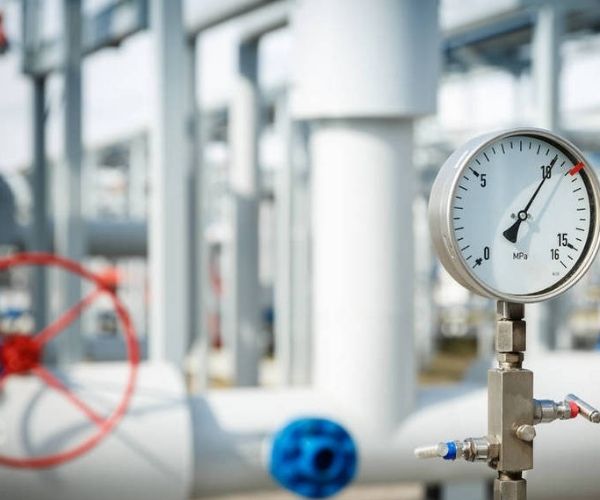
The integration of PLC valves allowed for better control over the separation process, reducing operational issues and lowering the refinery’s overall costs. This example highlights how adopting PLC valves can have a direct and measurable impact on refinery operations.
The Critical Role of PLC Valves in Oil Processing
PLC valves are a game-changer for the oil and gas industry, particularly when it comes to liquid and gas separation. By automating and controlling key processes, these valves enhance efficiency. They reduce waste and improve the overall quality of oil products.
PLC valve applications play an essential role in modern oil processing. Whether it’s through real-time monitoring or reducing environmental impact, these applications are crucial.
As technology continues to advance, the adoption of smart PLC-controlled valves will only grow. Refineries that incorporate these systems will see significant benefits in terms of efficiency, safety, and sustainability. In today’s competitive market, PLC valves are not just an advantage; they are a necessity for successful oil processing operations.


 English
 Arabic
 Russian
 French
 Spanish