What Industrial-Grade Ball Valve Should You Choose for Main Water Shutoff?
Catastrophic water system failures halt production lines. Industrial ball valves demand superior materials and engineering that household valves can’t provide.
The best industrial main water shutoff ball valves feature ANSI Class 300+ ratings, fire-safe certifications (API 607/6FA), and full-port forged steel construction with blow-out proof stems for high-pressure reliability.
Plant managers trust industrial valves that exceed standard specs – your operation’s continuity depends on shutdown reliability.
Why Do Industrial Processes Require Specialized Shutoff Valves?
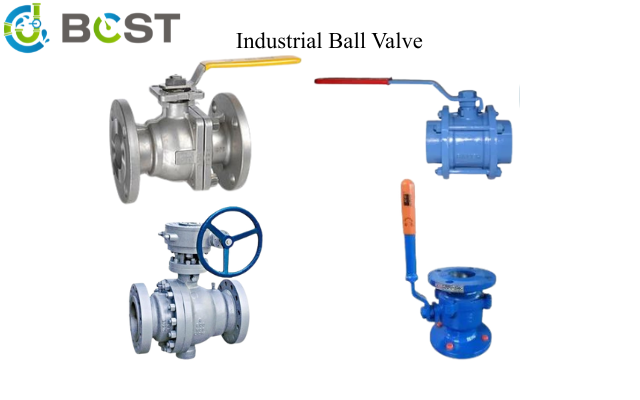
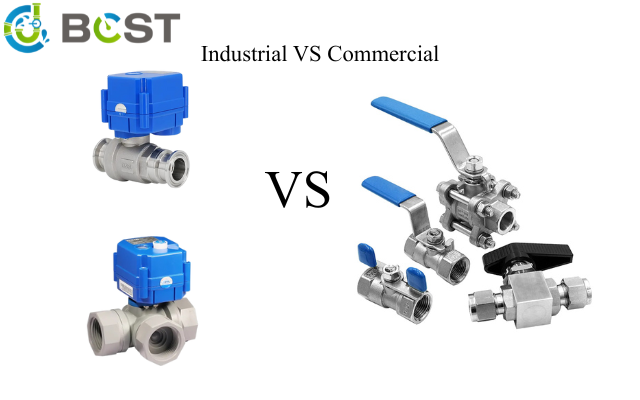
Standard valves crumble under industrial demands. Continuous operation, water hammer, and chemical exposure separate industrial solutions from commercial alternatives.
Industrial valves withstand 10x more cycles than commercial valves, with pressure-tight shutoff up to 1,000 PSI. Critical features include hardened Stellite seats, position indicators, and gear operators for large diameter lines.
Industrial Valve Specification Matrix
Specification
Commercial Grade
Industrial Grade
Process-Grade
Pressure Rating
300 PSI
600 PSI
1,500 PSI
Temperature Range
-20°F to 180°F
-50°F to 450°F
-320°F to 650°F
Cycle Life
10,000 cycles
100,000 cycles
250,000+ cycles
Body Material
Cast Brass
Forged Carbon Steel
Duplex Stainless
Actuation Options
Manual Only
Pneumatic/Electric
Hydraulic/ATEX
Industrial-Specific Features:
Fire-Safe Design
Secondary metal-to-metal seals
Fusible link thermal protection
API 607/6FA certified
Graphite packing that expands when heated
High-Cycle Components
Micron-polished ball surfaces
Reinforced stem connections
Live-loaded gland packing
Hard-faced trunnion mounts
Process Connections
Butt weld ends for high integrity
Flanged connections with RTJ faces
NACE MR0175 compliant materials
Studded bonnets for pressure containment
Installation Best Practices:
Install with sufficient straight-run upstream/downstream
Orient valves to prevent sediment accumulation
Support valve bodies independent of pipelines
Mark open/close positions clearly
What Certifications Truly Matter for Industrial Water Valves?
Paperwork saves lives in industrial settings. Missing certifications invite regulatory penalties and operational failures.
Mandatory industrial valve certifications include PED 2014/68/EU for European sites, ASME B16.34 pressure ratings, and NACE MR0175 for sour service. Optional-but-recommended are SIL ratings for automated valves.
Industrial Valve Certification Hierarchy
Safety-Critical Certifications
API 607/6FA Fire-Safe Testing
PED Category III/IV
ASME Section VIII Division 2
NACE MR0175/ISO 15156
Performance Certifications
API 598 Leakage Testing
Fugitive Emission Certification (ISO 15848-1)
AWWA C507 for Waterworks
MSS-SP-72 for Ball Valves
Material Certifications
ASTM A182 Forged Materials
NACE TM0177 Sulfide Stress Cracking
PMI (Positive Material Identification)
3.1 Material Traceability Certs
Industry-Specific Requirements:
Industry
Unique Needs
Common Standards
Power Generation
Feedwater Isolation
HEI Standards
Petrochemical
Sour Service Resistance
NACE MR0103
Pharmaceutical
Sanitary Design
ASME BPE
Mining
Slurry Handling
Abrasion-Resistant Coatings
Water Treatment
Corrosion Protection
NSF/ANSI 61
Maintenance Protocol Differences:
Parameter
Basic Maintenance
Industrial Protocol
Inspection
Visual
UT thickness testing
Lubrication
Silicone Grease
Certified Valve Lubricants
Exercising
Annual
Quarterly Under Pressure
Testing
Bubble Test
Hydrostatic/Pneumatic Testing
Documentation
None
Full MTC/Traceability Files
Conclusion
Industrial water shutoffs require engineered solutions exceeding common plumbing standards. Investing in properly certified valves prevents process interruptions and maintains regulatory compliance.



 English
 Arabic
 Russian
 French
 Spanish