
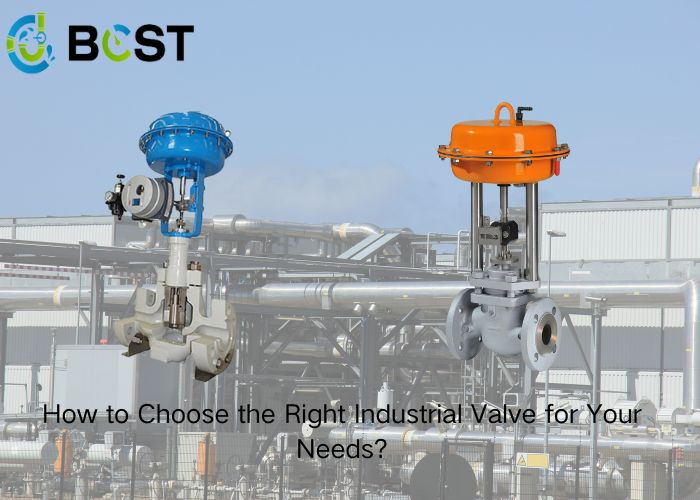
What Is a Hydraulic Control Valve?
Hydraulic control valves play a crucial role in controlling the flow of liquids in various systems. Whether you’re in oil & gas or manufacturing, understanding their function can save time and money.
A hydraulic control valve regulates the flow, pressure, and direction of hydraulic fluid. It ensures that machines operate efficiently and safely.
But how do you ensure your hydraulic control valve is working properly? Let’s dive into the key functions and ways to maintain or adjust these vital components.
What Is the Function of the Control Valve?
Control valves are essential in hydraulic systems. But what exactly do they do?
The primary function of a control valve is to regulate the fluid flow, pressure, and direction, ensuring that the system operates within safe and optimal conditions.
Hydraulic control valves control several system parameters. First, they adjust the flow rate, affecting how quickly the hydraulic fluid moves through the system. Secondly, they regulate pressure to avoid overloading or damaging the equipment. Finally, they can switch the flow’s direction, essential for systems that need to alternate between different operations. Without these valves, machines could not function efficiently or safely.
How Do I Know If My Hydraulic Control Valve Is Bad?
Is your hydraulic system acting up? It might be time to check your control valve.
Signs of a bad hydraulic control valve include inconsistent flow, pressure spikes, or strange noises in the system, indicating a malfunction.
To diagnose a faulty valve, start by inspecting the system for irregularities. If the machine is slow to respond, or if the flow rate fluctuates, the valve might be stuck or damaged. Leaks, vibrations, or pressure loss are other indicators. In these cases, it’s best to either repair or replace the valve, as neglecting the problem could lead to more severe system failure.
How Do You Adjust a Hydraulic Control Valve?
Adjusting a hydraulic control valve is not difficult, but it requires careful attention. Let’s see how it’s done.
Adjusting a hydraulic control valve involves turning the adjustment screws or bolts to modify the valve’s settings, like flow rate or pressure limits.
Start by isolating the hydraulic system and ensuring there’s no pressure buildup. Use a pressure gauge to measure the current system pressure. Turn the adjustment screw slowly to achieve the desired flow or pressure. Be cautious—adjusting too much at once can cause damage. Always follow the manufacturer’s guidelines and monitor the system’s response to ensure stability. If you’re unsure, consulting a professional is recommended to avoid costly mistakes.
Other Important Considerations When Dealing with Hydraulic Control Valves
- Maintenance: Regular checks are vital. Flush out contaminants and ensure proper lubrication to keep valves running smoothly.
- Replacement: Sometimes valves are beyond repair. In that case, knowing when to replace them can prevent breakdowns.
- System Compatibility: Ensure that the valve you select is compatible with the rest of your hydraulic system.
Conclusion
In conclusion, understanding the function, diagnosis, and adjustment of hydraulic control valves is crucial for maintaining efficient hydraulic systems. Regular monitoring can save you both time and money.

 English
 Arabic
 Russian
 French
 Spanish