
Many times, backup gate valves are installed and then left unused for months or even years. When they are finally needed—during a shutdown, an emergency, or a scheduled maintenance—these valves must work perfectly. But if they haven’t been stored or maintained properly, they may fail just when you need them most.
To keep backup gate valves reliable, they must be stored in controlled environments and maintained periodically through cleaning, lubrication, and inspection—even if they are never used.
I remember one customer telling me about a project in Iraq. They had several gate valves installed as backups in a fuel pipeline system. Due to poor storage and lack of inspection, one valve seized during an emergency shutdown. The whole system had to be shut down manually, causing delays and major losses. This isn’t rare—and it can be avoided.
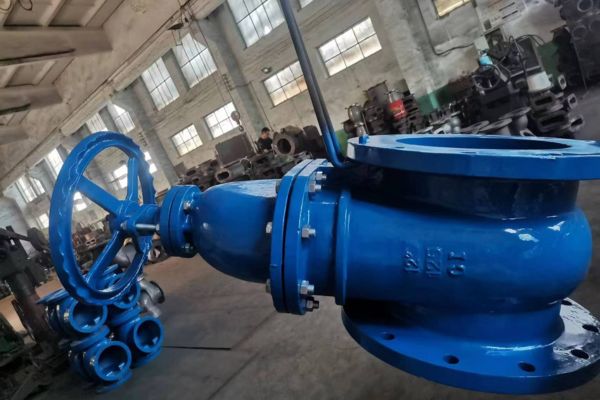
What Is The Right Way To Store Gate Valves That Are Not Immediately In Use?
Most valve failures during operation can be traced back to poor storage and corrosion. That’s why proper storage should always be part of your valve lifecycle planning.
The correct way to store backup gate valves is to keep them in a dry, clean environment, well protected from external damage, dust, and moisture, with the necessary flange and stem protections in place.
Clean And Dry Storage Environment
Humidity is the enemy of all metal components. Backup valves should be stored indoors in a warehouse or storage room with controlled temperature and low humidity. If your facility is in a coastal or high-humidity area, consider using desiccants or dehumidifiers.
Protective Packaging
Before storage, every gate valve should be:
- Wrapped in plastic or moisture-barrier material
- Labeled clearly with size, type, and storage date
- Mounted on a wooden pallet or firm surface
- Covered with protective caps on both ends
These simple steps help avoid dust, insects, rodents, and water damage.
Avoid Stacking Valves
Valves, especially large ones, are heavy. Stacking them can cause damage to the body, stem, or flanges. Each valve should be stored individually with support, ideally in a vertical position (as it would be installed).

How Often Should You Inspect Backup Gate Valves?
Just because they are not being used doesn’t mean they should be ignored. Inspection helps catch rust, stuck parts, or broken seals before it’s too late.
Gate valves should be inspected every 3–6 months while in storage, checking for rust, seal wear, and signs of physical damage.
What To Look For During Inspection
Here’s a checklist I usually recommend:
- Body: Check for rust, paint peeling, dents, or cracks
- Flanges: Are the covers still sealed tightly? Any visible corrosion?
- Stem and Handwheel: Do they rotate freely? Any signs of binding?
- Seal Areas: Look for any rubber gaskets that may be dry or cracked
- Labeling: Update the inspection date and person responsible
Regular documentation helps track any changes and ensures accountability in your team.
Stem Lubrication
The stem of a gate valve is critical—it connects to the actuator or handwheel and moves the disc up or down. If the stem is not lubricated regularly, it can corrode and freeze.
I recommend applying a thin layer of valve-grade lubricant to the stem threads during each inspection, especially for valves stored for more than six months.

How Do You Prepare Backup Gate Valves Before Reinstallation?
Sometimes valves can sit unused for years. Before you reinstall them in a pipeline or industrial system, preparation is essential.
Before reinstallation, perform a full visual inspection, stem operation test, cleaning, and hydrostatic pressure test if possible, to ensure the valve is still functional.
Cleaning And Surface Reconditioning
If the valve has been stored for over a year, give it a full cleaning using compressed air and a cloth to remove any internal dust or oxidation.
If rust appears on the flange or stem, use a light abrasive or wire brush. Apply anti-corrosive primer or paint if needed.
Function Check
Try opening and closing the valve completely. If it sticks or grinds, it may need deeper servicing.
For larger valves, especially those used in oil and gas pipelines, I recommend a pressure test at 1.5x the rated pressure (if your facility is equipped). This gives you peace of mind before reinstallation.
Gasket And Seal Replacement
Always replace the old gaskets and seals before reinstallation. Rubber parts degrade over time, especially in humid conditions. Keep spare gaskets in vacuum-sealed bags and label them by model and material.
What Happens If You Neglect Gate Valve Storage?
Skipping proper storage may save time in the short term—but the consequences can be costly.
Neglecting valve storage leads to corrosion, internal blockages, seal failure, and ultimately, operational delays or safety hazards.
Real-Life Risks From Poor Storage
Here are common failure modes:
- Stem Seizure: Rust or dried lubricant causes the stem to stick
- Seat Damage: Internal parts warp or crack due to uneven pressure or moisture
- Gasket Failure: Rubber becomes brittle, leading to leaks under pressure
- Flange Pitting: External corrosion eats into sealing surfaces
Once these problems show up during operation, they’re expensive to fix—and often irreversible without replacing the valve.
Why Is This Important For Industrial Valve Users?
In industries like oil, gas, power, and chemicals, valves are part of safety and control systems. Backup valves are not optional—they’re critical.
If a backup valve fails, the whole process may be at risk. Proper storage ensures these valves remain dependable even after years of standby.
My clients in Uzbekistan and Iran often ask for long-lifespan valves, especially for remote installations. I always explain that storage and maintenance make as much difference as material quality or brand reputation.
Conclusion
Storing and maintaining backup gate valves may seem like a small task, but it protects your entire system from future failure. With the right practices—like dry storage, routine inspection, and proper reinstallation—you can be sure your valves will work when it matters most.


 English
 Arabic
 Russian
 French
 Spanish