
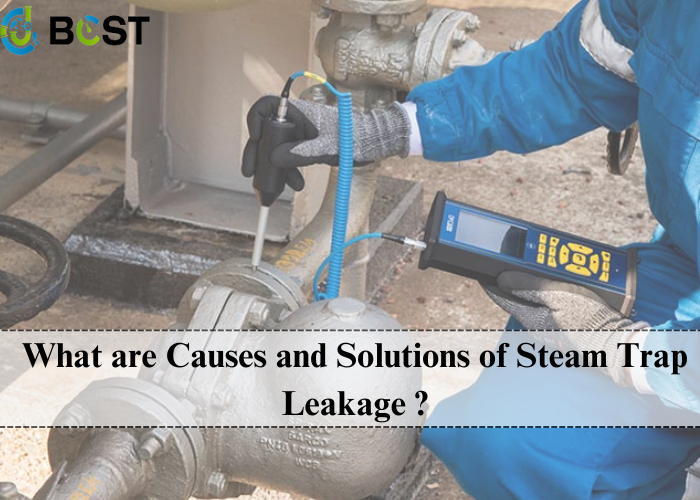
Purgadores de vapor play a crucial role in steam systems by removing condensate and non-condensable gases, ensuring efficient operation. However, leakage issues with steam traps often trouble many users, affecting overall system performance and potentially causing equipment damage. This article will delve into the causes of steam trap leakage and provide solutions to help users better maintain and optimize their steam systems.
1. Basic Principles of Steam Traps
Purgadores de vapor are designed to remove condensate and non-condensable gases from a steam system to maintain normal operation. There are several types of steam traps, each with a different operating principle:
Float Trap: Uses the buoyancy of a float to control the valve opening and closing. The float moves up or down with the height of the condensate, driving the valve’s operation. This type is suitable for systems with high fluid quality requirements.
Thermodynamic Trap: Controls valve operation based on the temperature difference between steam and condensate. This type includes a thermodynamic driving mechanism that responds rapidly to temperature changes.
Thermostatic Trap: Uses thermal elements (such as bimetallic strips) to control the valve based on temperature changes. This type performs stably under varying temperature conditions and is suitable for applications with different temperature ranges.
Pressure Trap: Controls valve operation by detecting pressure changes within the system. This type maintains system stability amidst pressure fluctuations, avoiding failures due to excessive or insufficient pressure.
2. Causes of Steam Trap Leakage
Understanding the causes of purgador de vapor leakage is key to resolving the issue. Here are some common leakage causes and their detailed analysis:
Poor Valve Sealing:
Aging Seals: Over time, seals can deteriorate due to temperature, pressure changes, and chemical exposure, leading to leakage.
Inappropriate Seal Material: Using seal materials unsuitable for system conditions (e.g., high temperature, high pressure, or corrosive media) can also cause poor sealing.
Valve Blockage by Contaminants:
System Dirt: Dirt, rust, or corrosion in the system can clog the valve’s moving parts, affecting normal valve operation.
Incomplete Contaminant Removal: If contaminants are not fully cleared during installation or maintenance, they may enter the valve and cause blockage.
Pressure Instability:
Pressure Fluctuations: Sudden pressure changes can increase structural stress on the valve, affecting its sealing performance. Frequent fluctuations can accelerate seal wear.
Excessive or Low Pressure: Pressure outside the design range can damage the valve and affect overall system stability.
Temperature Variations:
Condensate Temperature Shock: Rapid temperature changes in condensate can cause thermal expansion or contraction of the valve material, affecting sealing.
Environmental Temperature Changes: Extreme changes in ambient temperature can also impact the valve’s operation.
Improper Valve Installation:
Incorrect Position: Incorrect installation positions can subject the valve to unnecessary stress, causing leakage.
Incorrect Angle: Non-level or non-vertical installation can affect the valve’s normal operation, leading to leakage.
Valve Aging:
Component Wear: Long-term use can wear out internal components like springs and pistons, affecting valve functionality.
Material Fatigue: Material fatigue can lead to cracks or deformation, impacting sealing effectiveness.
Design Defects:
Mismatch Design: Some valves may have design defects that prevent them from meeting actual system conditions, leading to frequent leakage issues.
Manufacturing Issues: Poor manufacturing processes can lead to quality problems affecting sealing performance.
3. Solutions to Steam Trap Leakage
Addressing steam trap leakage involves several solutions:
Regular Inspection and Maintenance:
Check Seals: Regularly inspect seals and replace them if they are worn or damaged. Using high-quality seal materials can improve sealing and reduce leakage.
Clean the Valve: Periodically clean the valve to remove internal dirt and contaminants, ensuring proper operation.
Monitor and Adjust Pressure:
Install Pressure Gauges: Place pressure gauges before and after the steam trap to monitor system pressure. Analyzing data can help detect pressure anomalies and adjust accordingly.
Pressure Regulation Devices: Use pressure regulation devices to maintain system pressure within the valve’s design range. These devices automatically adjust pressure to ensure stable operation.
Control Temperature Variations:
Stabilize System Temperature: Avoid drastic temperature changes to maintain system temperature stability. Temperature control devices can manage temperature fluctuations and protect the valve.
High-Temperature Materials: Use materials suitable for high-temperature environments to increase the valve’s temperature resistance and reduce leakage due to temperature changes.
Proper Valve Installation:
Ensure Correct Position: Install the valve according to the manufacturer’s guidelines to ensure correct position and orientation. Refer to the installation manual or seek professional assistance.
Level Installation: Ensure the valve is installed level to avoid sealing issues caused by tilting or uneven installation. Use a level to check the installation state.
Replace Aging Valves:
Regular Replacement: Replace steam traps based on usage and manufacturer recommendations. Aging valves can impact system operation, and timely replacement prevents leakage issues.
Select High-Quality Valves: Choose reliable, stable-performing steam traps to minimize leakage due to valve quality issues. Consider brand reputation and user reviews for selection.
Design Optimization:
Choose Suitable Valve Types: Select appropriate steam trap types based on actual system needs. Design optimization ensures compatibility and improves efficiency.
System Assessment: Evaluate the system before installing and using steam traps to ensure design and configuration meet operational requirements. Simulation analysis can identify potential issues in advance.
Fault Diagnosis:
Regular Checks: Perform comprehensive checks on steam traps to detect and resolve potential issues. Maintenance plans should include regular inspection records to ensure proper operation.
Use Diagnostic Tools: Employ advanced diagnostic tools to test and analyze the valve, identify leakage causes, and take corrective actions. Modern tools provide detailed fault data for quicker resolution.
4. Conclusion
While purgador de vapor leakage is common, scientific maintenance and management measures can effectively resolve it. Understanding the causes and implementing appropriate solutions can enhance steam system efficiency and extend equipment lifespan. Regular inspections, proper pressure and temperature control, correct installation, and timely replacement of aging devices are essential for prevention and resolution.



 English
 Arabic
 Russian
 French
 Spanish