
In a high-pressure system, shut-off performance is not just about stopping flow. It is about maintaining seal integrity under pressure, temperature shock, gas decompression, dimensional constraints, and demanding leakage requirements. This guide explains how engineers should evaluate high-pressure shut-off valves for critical isolation in gas, hydrogen, process, and legacy skid applications.
Quick answer: The right high-pressure shut-off valve depends on service media, pressure class, allowable leakage, temperature change during operation, end connection requirements, and whether the valve must fit an existing footprint. For hydrogen and other severe gases, leak testing method, material selection, and seal design matter as much as pressure rating.
What is a high-pressure shut-off valve?
A high-pressure shut-off valve is an isolation valve designed to stop or isolate the flow of fluid or gas under elevated pressure conditions while maintaining reliable sealing performance. In critical service, the valve must do more than close. It must hold against pressure differential, resist wear at the seat, tolerate the process medium, and remain operable through repeated cycles.
In industrial practice, these valves are commonly selected for gas systems, hydrogen lines, process skids, test benches, energy systems, chemical service, and other applications where leakage, pressure loss, or operational failure can create safety, quality, or downtime risks.
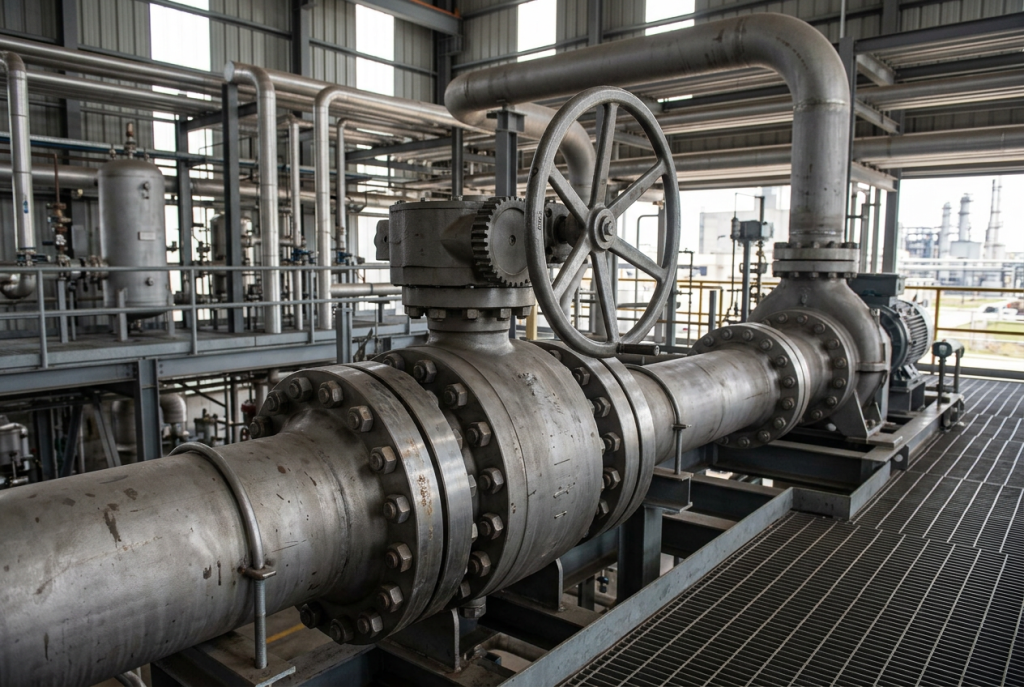
Where are high-pressure shut-off valves used?
High-pressure shut-off valves are used wherever process continuity and safe isolation are both required. In many plants, the valve itself is not the main cost. The larger cost comes from leakage events, unscheduled shutdowns, seal failure, rework, or forced piping modification.
- Hydrogen and specialty gas systems: where small molecules, permeation risk, and leak tightness are major concerns.
- CO₂ and nitrogen service: where rapid pressure drops may trigger severe cooling and decompression-related seal damage.
- Legacy skids and packaged systems: where a replacement valve must fit existing face-to-face and end-connection constraints.
- Process isolation in chemical and energy systems: where reliable shutoff is necessary during maintenance, calibration, or emergency isolation.
- Test, instrumentation, and severe service packages: where repeatable operation and documented leakage performance are needed.
What engineers should evaluate before specifying a high-pressure shut-off valve
A shut-off valve should never be selected by pressure class alone. A valve that looks suitable on paper can fail in service if the leakage standard, seal material, body alloy, or dimensional requirements were not reviewed early.
| Selection Factor | Why It Matters | Typical Risk if Ignored |
|---|---|---|
| Process media | Gas, hydrogen, CO₂, and mixed media affect sealing, material compatibility, and testing requirements. | Leakage, embrittlement, or premature seal damage |
| Pressure differential | Differential pressure affects torque, seat load, and shut-off performance. | Difficult operation or incomplete isolation |
| Leakage requirement | Not every application requires the same shut-off acceptance criteria. | Mismatch between lab test and field expectation |
| Temperature swing | Rapid depressurization can cause sudden cooling and seal stress. | Cracking, torque spikes, or decompression failure |
| Body and trim material | Material selection affects strength, corrosion resistance, and severe-gas suitability. | Material degradation or reduced service life |
| Footprint and end connection | Replacement projects often require dimensional compatibility. | Piping rework, welding, and costly downtime |
Common failure modes in high-pressure shut-off valve service
1. Leakage that passes standard shop checks but fails in severe gas service
Some applications demand more than a simple visual or low-sensitivity leakage check. In hydrogen and other severe gas services, the practical question is whether the valve can hold under the real molecular and operational conditions of the process.
For a deeper explanation, see our technical guide on helium leak testing vs. bubble testing for hydrogen shut-off valves.
2. Seal damage during rapid depressurization
In compressed gas systems, rapid pressure drop can create severe internal stress in elastomeric or polymeric sealing elements. The result may look like random seal failure, but the root cause is often tied to decompression behavior rather than ordinary wear.
Read the full failure analysis in our guide to the Joule-Thomson effect and rapid gas decompression in shut-off valves.
3. Replacement valves that do not match existing skid dimensions
In retrofit projects, the challenge is often mechanical, not theoretical. A new valve may satisfy pressure and material requirements but still fail the project if it requires piping cuts, flange changes, or welding rework during installation.
Our detailed retrofit guide explains how to reduce installation disruption in legacy skid shut-off valve replacement projects.
Leakage testing and shut-off verification: what really matters
Engineers often use the phrase “zero leakage,” but in specification work the more useful question is: what leakage acceptance standard applies to this service, and how was the valve tested? The answer depends on seat design, media type, sensitivity of the test method, and the consequences of leakage in the actual application.
For severe gas service, leakage evaluation must be aligned with service conditions and risk level. In many hydrogen applications, test philosophy matters because the valve’s field duty may be far more demanding than a general-purpose shop check.
Materials, end connections, and retrofit concerns
The body alloy and trim specification should reflect more than corrosion resistance. In high-pressure and severe-gas environments, material selection influences long-term valve reliability, especially where hydrogen compatibility, low-temperature response, and repeated cycling are involved.
End connections also deserve early attention. A technically correct valve can still become a difficult project if its flanged, threaded, or socket weld configuration does not match the existing installation. In retrofits, face-to-face dimension, centerline position, and connection geometry can determine whether the job is simple replacement or full piping rework.
| Design Topic | What to Confirm | Why It Affects Project Outcome |
|---|---|---|
| Body material | Grade, composition, and service suitability | Impacts durability and compatibility |
| Seat and seal materials | Temperature, gas exposure, decompression resistance | Impacts leakage and cycle life |
| Connection type | Flanged, NPT, socket weld, or custom | Impacts installation complexity |
| Retrofit dimensions | Face-to-face, centerline, and clearance envelope | Determines whether the replacement is truly drop-in |
If you are evaluating replacement options, you can also review BCST Valve’s
stainless steel valve solutions
y
high-pressure valve product range
for application-specific configuration support.
Frequently asked questions about high-pressure shut-off valves
What is the difference between a standard shut-off valve and a high-pressure shut-off valve?
A high-pressure shut-off valve is designed for elevated pressure conditions and more demanding shut-off performance. The difference usually involves body strength, seat loading, material suitability, and how the valve performs under real pressure differential.
Are all high-pressure shut-off valves suitable for hydrogen service?
No. Hydrogen service requires closer attention to leakage verification, material compatibility, and severe-gas performance than many general isolation applications.
Why can a shut-off valve fail after rapid depressurization?
Rapid pressure drop can create sudden cooling and internal seal stress. In some services, this can damage soft components or create operational problems even when the valve initially appeared to function correctly.
What should be checked before replacing a shut-off valve in a legacy skid?
Engineers should confirm face-to-face dimensions, connection type, pressure rating, media compatibility, and available installation clearance before ordering the replacement valve.
Need help selecting the right high-pressure shut-off valve?
If your application involves hydrogen, rapid gas decompression risk, or legacy skid replacement, BCST Valve can help review your operating conditions and connection requirements.


 English
 Arabic
 Russian
 French
 Spanish