
The Essential Role of Butterfly Valve Gaskets in Leak-Tight Sealing
In industrial fluid control, a leak is not just an inconvenience; it can be a costly, dangerous, and environmentally damaging event. While the butterfly valve itself is renowned for its efficiency and compact design, its ability to maintain a leak-tight seal against system pressure fundamentally relies on one often-overlooked component: the gasket. Understanding the critical role of **butterfly valve gaskets** is paramount for ensuring the integrity, safety, and long-term performance of any pipeline system.
This guide delves into the world of **butterfly valve gaskets**, exploring their various types, the importance of material selection, proper installation techniques, and common issues to avoid. At BCST Valve, we believe that informed selection and careful handling of these vital sealing components are key to successful fluid management.
From preventing costly fluid loss to mitigating environmental risks and ensuring personnel safety, the choice and maintenance of your **butterfly valve gaskets** directly impact operational excellence.
Why are Butterfly Valve Gaskets So Critical?
At its core, a butterfly valve’s function is to control or shut off fluid flow. While the disc and seat components handle the internal sealing, **butterfly valve gaskets** provide the vital external seal between the valve body and the adjacent piping flanges. Their primary functions include:
- Preventing External Leakage: They create a barrier, ensuring pressurized fluid remains contained within the pipeline.
- Maintaining System Pressure: An intact gasket seal helps the entire pipeline system operate at its designed pressure without loss.
- Protecting Equipment & Environment: Leaks can damage surrounding equipment, lead to environmental contamination, and pose safety hazards; reliable **butterfly valve gaskets** avert these risks.
- Absorbing Vibrations & Imperfections: Gaskets can compensate for minor misalignments or surface irregularities between the valve and flanges, enhancing the seal.
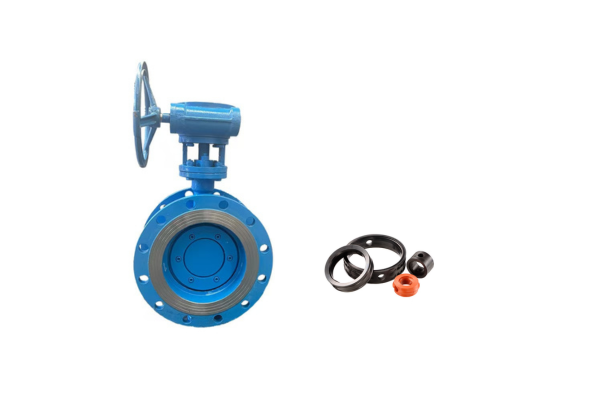
Types of Butterfly Valve Gasket Designs
The construction of **butterfly valve gaskets** varies significantly, largely depending on the valve’s overall design and its intended application.
1. Integral (Liner) Gaskets
Most soft-seated butterfly valves, particularly wafer and lugged types, feature an elastomeric liner that extends to cover the entire flange face. This liner serves a dual purpose: it acts as the primary soft seat for the disc and as an integral gasket against the mating pipe flanges. This design simplifies installation, as no additional loose **butterfly valve gaskets** are required. The material of this liner (e.g., EPDM, NBR, PTFE) directly determines the chemical and temperature compatibility of the entire valve with the fluid.
2. Separate Gaskets
For certain applications, primarily with high-performance or metal-seated butterfly valves, and sometimes with specialized flanged butterfly valves, separate ring gaskets are used. These are independent components placed between the valve body’s flat flange faces and the connecting pipeline flanges. This approach offers greater flexibility in gasket material selection, allowing for highly specific chemical and temperature resistance that matches the precise operational demands. Materials can range from different types of PTFE, spiral wound, or even specialized graphite **butterfly valve gaskets**.
Choosing the Right Gasket Material
The performance and longevity of your butterfly valve directly depend on selecting the correct material for its **butterfly valve gaskets**. Key factors influencing this choice include:
- Fluid Compatibility: The gasket material must be chemically resistant to the fluid being handled to prevent degradation and failure.
- Temperature Range: Ensure the material can withstand both continuous and peak operating temperatures without losing its sealing properties.
- Pressure Rating: The gasket must be robust enough to handle the system’s maximum pressure.
- Abrasion Resistance: For abrasive slurries, tougher gasket materials are needed.
Common Gasket Materials:
| Material | Typical Applications | Key Characteristics |
|---|---|---|
| EPDM | Water, hot water, steam (non-oil), weak acids/alkalis | Excellent weather & ozone resistance, good heat resistance |
| NBR (Buna-N) | Oils, fuels, hydrocarbons, industrial water | Good oil & abrasion resistance |
| PTFE (Teflon) | Corrosive chemicals, food & pharma products | Nearly universal chemical resistance, wide temp range |
| Viton® (FKM) | High temp oils, fuels, aggressive chemicals | Excellent chemical & heat resistance |
| Graphite | High temperature, steam, aggressive chemicals | Very high temp rating, excellent chemical resistance |
Installation Best Practices for Butterfly Valve Gaskets
Proper installation is just as vital as material selection. Even the best **butterfly valve gaskets** will fail if not installed correctly:

- Read Instructions: Always consult the valve and gasket manufacturer’s installation guidelines.
- Clean Flanges: Ensure mating flange faces are clean, dry, and free from damage, debris, or old gasket material.
- Avoid Double Gasketing: If your butterfly valve has an integral liner that functions as a gasket, **DO NOT ADD SEPARATE GASKETS**. This creates a “double gasket” scenario which can lead to over-compression, premature wear, and leakage by distorting the valve’s sealing surfaces. Knowing whether your valve needs external **butterfly valve gaskets** is key.
- Proper Alignment: Align the valve carefully between the flanges. The disc should be slightly open (~10-20 degrees) during installation to prevent damage to the seat.
- Bolting Sequence & Torque: Tighten bolts in a star pattern (crosswise) in several stages, gradually increasing torque to the manufacturer’s specified values. This ensures uniform compression across the **butterfly valve gaskets**.
- Post-Installation Check: After initial startup and system pressurization, re-check bolt torque as some gasket materials may experience initial relaxation.
Common Issues & Troubleshooting of Butterfly Valve Gaskets
Despite their simplicity, **butterfly valve gaskets** can be the source of operational problems if neglected:
- External Leakage: Most often due to incorrect installation (uneven torque), damaged gasket, wrong material selection for the application, or aging/degradation of the gasket material.
- Internal Leakage (Seat Damage): While primarily a seat issue, an improperly installed or damaged flange gasket can sometimes distort the valve body or seat, leading to internal leakage.
- Over-Compression/Under-Compression: Over-tightening bolts can crush softer gasket materials, reducing their elasticity and sealing capability. Under-tightening leads to insufficient compression and leakage.
- Chemical Attack: If the gasket material is incompatible with the fluid, it can swell, harden, soften, or dissolve, leading to catastrophic failure of the **butterfly valve gaskets**.
Regular inspection of flange connections and adherence to preventive maintenance schedules can help identify and address issues related to **butterfly valve gaskets** before they escalate.
Conclusion
The integrity of your fluid control system hinges significantly on the humble **butterfly valve gaskets**. Far from a minor detail, their correct selection, material compatibility, and meticulous installation are non-negotiable for reliable, safe, and efficient operation. By paying proper attention to these critical components, you can prevent costly downtime, ensure environmental protection, and extend the lifespan of your entire pipeline setup.
At BCST Valve, we understand the nuances of every component that makes up a superior valve system. Our expertise extends to guiding you in choosing not just the right industrial valves, but also the optimal sealing solutions, including **butterfly valve gaskets**, that guarantee peak performance for your specific applications.
Struggling with valve sealing issues or need expert advice?


 English
 Arabic
 Russian
 French
 Spanish