
I. Introduction
In modern engineering and industrial applications, temperature control is crucial for maintaining system efficiency and safety. One of the key components used in temperature regulation is the self-operated temperature valve. This article explores what a self-operated temperature valve is, its working principles, types, applications, advantages, and potential limitations. By understanding these aspects, we can appreciate the role these valves play in optimizing various systems and processes.
II. Definition and Working Principle
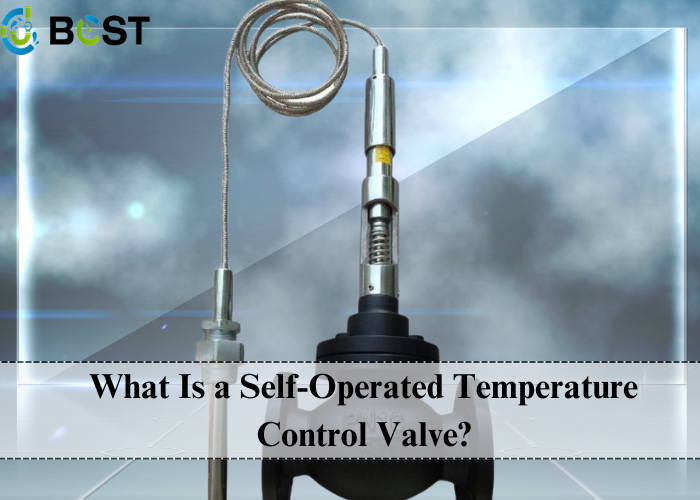
A self-operated temperature valve is a type of control valve that automatically regulates the flow of a fluid based on its temperature. Unlike traditional valves that require external power sources or manual intervention, self-operated temperature valves use the temperature of the fluid itself to control their operation.
1. Basic Concept
The primary function of a self-operated temperature valve is to maintain a fluid’s temperature within a desired range. This is achieved through a temperature-sensing element that adjusts the valve position automatically based on the temperature readings.
2. Temperature Sensing
Self-operated temperature valves typically incorporate a temperature-sensing element, such as a bimetallic strip, a thermal bulb, or a thermostat. These components respond to changes in temperature and trigger adjustments in the valve’s position.
Bimetallic Strip: This consists of two different metals with distinct thermal expansion rates. As the temperature changes, the strip bends, causing the valve to open or close accordingly.
Thermal Bulb: A thermal bulb filled with a temperature-sensitive fluid expands or contracts in response to temperature changes, moving a piston or diaphragm to control the valve.
Thermostat: A thermostat mechanism can control the valve’s position based on the temperature it senses, ensuring the fluid remains within the set temperature range.
3. Actuation Mechanism
The actuation mechanism in a self-operated temperature valve can vary depending on the design. Common mechanisms include:
Spring-Loaded Mechanisms: Springs are used to apply pressure to the valve seat, which is adjusted based on the temperature-sensitive component’s movement.
Diaphragm Actuators: The diaphragm is connected to the temperature-sensing element, and its movement adjusts the valve position.
Piston Actuators: Similar to diaphragm actuators, pistons move in response to temperature changes, controlling the valve’s position.
III. Types of Self-Operated Temperature Valves
Self-operated temperature valves come in various types, each suited for different applications and fluid types. The main types include:
1. Thermostatic Mixing Valves
Thermostatic mixing valves combine hot and cold water to deliver a consistent output temperature. They are commonly used in domestic hot water systems and industrial applications where precise temperature control is essential. These valves automatically adjust the mix ratio to maintain the desired temperature.
2. Temperature Control Valves
Temperature control valves are designed for more general temperature regulation in various processes. They are used in heating and cooling systems to ensure the fluid’s temperature remains within a specific range. These valves are often found in HVAC systems, chemical processes, and manufacturing operations.
3. Thermal Balancing Valves
Thermal balancing valves are used to ensure equal distribution of flow and temperature across different branches of a system. They help maintain consistent temperatures in multi-zone systems by balancing the flow rates based on temperature changes.
IV. Applications of Self-Operated Temperature Valves

Self-operated temperature valves find applications across various industries due to their ability to provide precise and reliable temperature control. Key applications include:
1. HVAC Systems
In heating, ventilation, and air conditioning (HVAC) systems, self-operated temperature valves regulate the flow of heating or cooling fluids to maintain comfortable indoor temperatures. They help balance the temperature distribution across different zones and ensure efficient system operation.
2. Industrial Processes
In industrial processes, temperature control is crucial for maintaining product quality and safety. Self-operated temperature valves are used in chemical processing, food and beverage production, and other manufacturing operations to regulate temperatures and ensure optimal conditions.
3. Domestic Hot Water Systems
In residential settings, self-operated temperature valves are used in hot water systems to mix hot and cold water, providing a consistent and safe water temperature for daily use. They prevent scalding and ensure comfort in domestic hot water applications.
4. Automotive Applications
Self-operated temperature valves are also used in automotive systems, such as cooling systems and engine temperature control. They help maintain optimal operating temperatures and prevent overheating in vehicles.
V. Advantages of Self-Operated Temperature Valves
Self-operated temperature valves offer several advantages, including:
1. No External Power Required
One of the primary benefits of self-operated temperature valves is that they do not require an external power source. This makes them highly reliable and cost-effective, as they eliminate the need for electrical connections and associated power consumption.
2. Automatic Operation
Self-operated temperature valves provide automatic temperature control without the need for manual adjustments. This ensures consistent temperature regulation and reduces the risk of human error.
3. Low Maintenance
Due to their simple design and lack of external power requirements, self-operated temperature valves generally require less maintenance compared to other types of control valves. This contributes to lower overall operating costs.
4. Durability and Reliability
Self-operated temperature valves are designed to withstand harsh conditions and maintain reliable performance over time. Their robust construction ensures durability and longevity, making them suitable for various industrial and domestic applications.
VI. Limitations of Self-Operated Temperature Valves

While self-operated temperature valves offer numerous benefits, they also have some limitations:
1. Limited Range of Operation
Self-operated temperature valves may have limitations in their range of operation. They are typically designed for specific temperature ranges, and extreme temperatures outside this range may affect their performance.
2. Response Time
The response time of self-operated temperature valves can be slower compared to electronically controlled valves. In applications requiring rapid temperature adjustments, this delay may impact system performance.
3. Precision
While self-operated temperature valves provide good temperature control, they may not offer the same level of precision as electronically controlled systems. For applications requiring extremely precise temperature regulation, alternative solutions may be needed.
4. Complexity in High-Temperature Applications
In high-temperature applications, the materials used in self-operated temperature valves may face additional stress, potentially affecting their performance and lifespan. Specialized valves and materials may be required for such applications.
VII. Conclusion
Self-operated temperature valves are essential components in modern temperature control systems. Their ability to regulate fluid flow based on temperature changes without the need for external power makes them a valuable asset in various industries and applications. By understanding their working principles, types, applications, advantages, and limitations, we can better appreciate their role in optimizing system performance and ensuring safety and efficiency in temperature-sensitive processes. As technology advances, self-operated temperature valves will continue to play a crucial role in maintaining precise and reliable temperature control across diverse fields.

 English
 Arabic
 Russian
 French
 Spanish