
1. Introduction
In industrial piping systems, controlling the flow of fluids, isolating equipment, and ensuring system safety are critical tasks. As industrial automation and efficient operations increase, many advanced valve technologies have emerged, with the Double Block and Bleed Valve (DBB Valve) being one of the most essential components. DBB valves are widely used in industries such as oil and gas, chemicals, and power generation, where they ensure pipeline integrity and safety. This article will explore the working principles, application scenarios, advantages, challenges, and the importance of DBB valves in modern industries.
2. Definition of Double Block & Bleed Valve
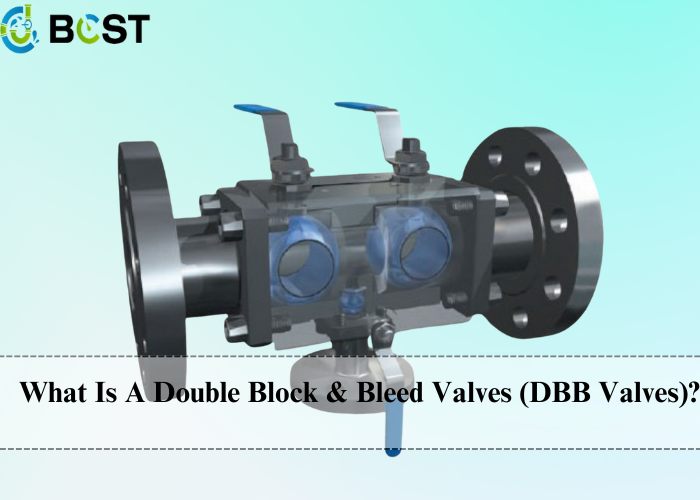
A Double Block and Bleed Valve (DBB Valve) is a type of valve that provides two levels of isolation, with an additional bleed function. The valve typically consists of three main components: two isolation valves and a bleed valve. Its working principle involves simultaneously closing two isolation valves and using the bleed valve to release pressure or fluid from the cavity between them, thereby ensuring safe isolation and relieving pressure. This design ensures pipeline safety by providing redundancy, as even if one isolation valve fails, the other can still function effectively to prevent leaks or hazardous situations.
The typical DBB valve design includes:
Two Block Valves: Located on either side of the equipment, these valves isolate the fluid in the pipeline.
One Bleed Valve: This valve is used to release the fluid or pressure trapped between the two isolation valves to ensure safety during maintenance or other operations.
3. Working Principle of a Double Block & Bleed Valve
The working principle of a DBB valve is based on the sealing and bleed functions of the isolation valves. The main operational steps are as follows:
Isolation: When the two isolation valves are closed, the DBB valve isolates the pipeline into two segments. At this point, fluid flow is completely blocked, preventing leakage to the outside environment.
Bleeding: When maintenance, inspection, or other operations are required, operators can use the bleed valve to release the fluid or pressure trapped between the two isolation valves, ensuring system safety during the operation.
Safety: During normal operation, the two isolation valves provide double isolation, ensuring that even if one valve fails, the other continues to function and prevents fluid leakage. This dual isolation design significantly enhances system safety.
4. Main Applications of Double Block & Bleed Valves
DBB valves are widely used in various industrial fields that require high safety and reliability. The main application scenarios include:
Oil and Gas Industry:
In the oil and gas industry, DBB valves are commonly used in the transportation, storage, and distribution systems for oil and gas. Particularly in high-pressure environments, DBB valves can effectively prevent leaks and protect equipment. In offshore platforms or remote pipeline systems, the double isolation feature of DBB valves helps avoid accidental leaks and accidents.
Chemical and Fine Chemical Industries:
In chemical processing, many substances are highly corrosive or flammable, making DBB valves crucial for ensuring the safety of reactors, pipelines, and other equipment. This is particularly important in high-pressure or high-temperature operations, where DBB valves play a key role in preventing dangerous leaks.
Power Generation Industry:
In the power generation industry, equipment such as boilers, cooling systems, and transmission lines require high safety valves to prevent fluid leaks and equipment damage. DBB valves offer effective isolation and bleeding functions, ensuring safe operation during maintenance or repairs.
Nuclear Industry:
Nuclear power plants are high-risk environments, where any equipment failure can result in severe consequences. DBB valves are widely used in critical areas such as cooling systems and reactor coolant circuits to reduce the risk of leaks through their double isolation and bleed functions.
High-Pressure Gas Pipeline Systems:
High-pressure gas pipelines, such as natural gas and liquefied gas pipelines, require precise control devices. DBB valves ensure that no leakage occurs during pipeline operation and provide a safe means of releasing pressure during maintenance or repair, thus preventing accidents.
5. Advantages of Double Block & Bleed Valves
DBB valves offer numerous benefits in industrial applications, particularly in improving system safety. Some of the main advantages are:
Enhanced Safety:
The double isolation function of DBB valves significantly reduces the risk of leakage, ensuring that fluids do not escape to the external environment and preventing potential accidents. This design is particularly well-suited for high-pressure and hazardous media pipeline systems.
Reduced Maintenance Risk:
Since DBB valves continue to provide safe isolation even if one isolation valve fails, the risk of equipment malfunction during maintenance is reduced. Maintenance personnel can carry out checks or repairs with greater confidence, minimizing direct exposure to high-pressure or toxic media.
Improved System Efficiency:
DBB valves can quickly release the media between isolation valves during pipeline maintenance, reducing downtime and improving overall system efficiency. Their design allows for faster, safer repairs, minimizing the loss caused by equipment downtime.
High Reliability:
The double isolation design ensures that even if one isolation valve fails, the other remains functional and maintains the integrity of the pipeline. This makes DBB valves highly reliable in applications requiring high safety standards.
Compliance with International Standards:
DBB valves generally comply with multiple international safety and quality standards, such as ISO, API, ASME, and others. This ensures that they meet global industry requirements for safety and compliance, making them suitable for use in various regions.
6. Challenges of Double Block & Bleed Valves
Despite their numerous advantages, DBB valves face some challenges and limitations during use:
Cost Issues:
Due to their complex design, which involves multiple valves and control mechanisms, DBB valves tend to be more expensive than traditional single isolation valves. This may lead to consideration of alternative valve types in projects with tighter budgets.
Space Occupancy:
The design of DBB valves typically requires more space than conventional single valves. This could impact the flexibility of pipeline layouts and installations, especially in large-scale systems where space is limited.
Operational Complexity:
While DBB valves provide high safety, their operation is more complex and requires skilled operators for proper maintenance and management. For personnel unfamiliar with this system, operating DBB valves could present some challenges.
Sealing Issues:
Although DBB valves offer double isolation, in extreme conditions such as high temperature and pressure, the sealing integrity of the valve may be challenged, potentially leading to leaks or incomplete sealing. Therefore, choosing the right sealing materials and maintaining valve quality control are essential.
7. Conclusion
Double Block and Bleed Valves, as high-safety and complex valve devices, play a crucial role in many industrial sectors. Their dual isolation design and bleed function not only enhance pipeline system safety but also reduce maintenance risks and improve system efficiency. However, as demand continues to grow, the design and application of DBB valves face increasing challenges. Engineers must continually optimize the technology and materials to ensure stable operation in complex environments. With ongoing advancements in industrial technology, DBB valves will have even broader applications in the future, becoming an integral part of modern industrial safety management.


 English
 Arabic
 Russian
 French
 Spanish