
A failing pressure relief valve is a ticking time bomb in your system. You might see the signs—leaks or pressure instability—but ignoring them invites catastrophic failure and serious safety risks.
Pressure relief valve (PRV) failure is rarely a defect in the valve itself. It is usually a symptom of a larger system problem, like incorrect settings, improper installation, or a lack of routine maintenance. Addressing these root causes is the only way to ensure real safety.
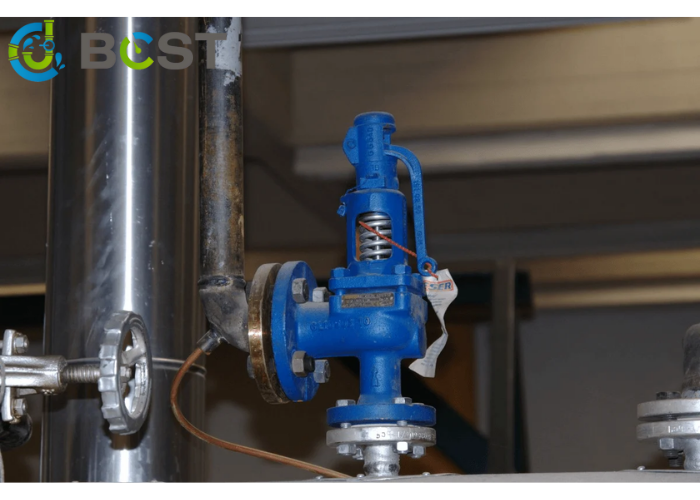
When I was growing up, a client once called my father about a safety valve that was constantly leaking. The client was convinced the valve was faulty. My father went to the site, and before he even looked at the valve, he looked at the pressure gauge for the whole system. He then told the client, “Your valve isn’t failing; it’s trying to tell you something.” That day, I learned a crucial lesson: a PRV is the messenger for your system’s health. When it acts up, you shouldn’t just replace the messenger; you need to listen to the message it’s sending.
How Can You Spot the Warning Signs of a Failing PRV?
Pressure problems can be subtle and easy to blame on other equipment. Ignoring these signs from your PRV is like ignoring a smoke alarm because you think the battery is just low.
You can spot the signs of a failing PRV by watching for three key symptoms. First, your system constantly leaks or can’t hold any pressure. Second, it can’t reach its normal operating pressure. Third, and most dangerously, your system pressure exceeds its maximum safe limit.
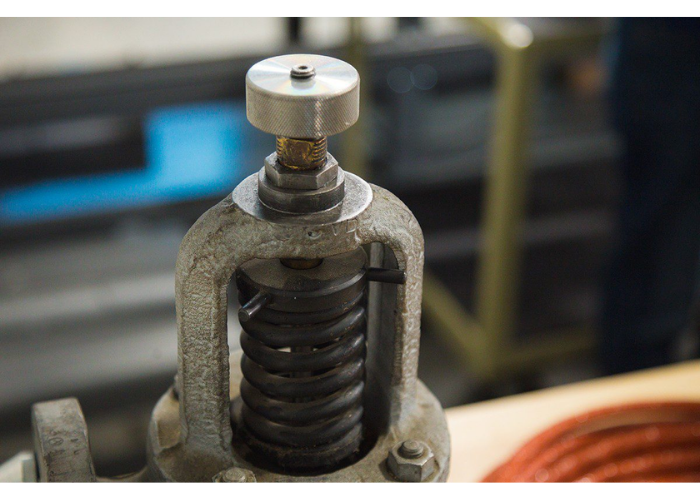
Recognizing these symptoms early is the key to preventing a serious incident. Each sign points to a different type of problem, and understanding them helps you know where to start looking for the root cause. This isn’t just about making the symptom go away; it’s about diagnosing the underlying disease in your system before it becomes critical. Let’s break down what each of these three warning signs means in practice.
Interpreting the Symptoms
Each symptom gives you a clue about what might be going wrong inside the valve or within your broader system. Seeing a leak is one thing, but understanding why it’s leaking is what leads to a real solution.
- Leaking or No Pressure: This is the most common symptom. You might hear a constant hissing sound, or you might see that your system can never quite hold its pressure, causing your compressors or pumps to run constantly. This is a huge waste of energy and money. Often, this is caused by dirt or debris getting stuck between the valve’s disc and seat, preventing a tight seal. It could also mean the internal parts are worn or corroded, or that the valve’s delicate sealing surfaces were damaged during installation or a previous pressure event.
- System Cannot Reach Pressure: In this scenario, the valve is opening too soon. You try to bring your system up to its normal operating pressure, but the PRV starts venting long before it should. This almost always points to an incorrect set pressure. The valve may have been calibrated incorrectly, or perhaps the system’s operating pressure was changed without also adjusting the PRV’s set point. It’s essentially doing its job, but based on the wrong instructions.
- System Exceeds Maximum Pressure: This is the most dangerous failure mode. A problem has occurred, the pressure is climbing into the red zone, and the PRV is doing nothing. It is failing to open. This can be caused by severe corrosion that has fused the internal parts together, a catastrophic mechanical failure inside the valve (like a broken spring), or an outlet that is completely blocked. This is a critical emergency, as the valve is no longer providing any protection.
| Symptom | What It Looks Like | Common Potential Causes |
|---|---|---|
| Leaking / No Pressure | Constant hissing sound; system slowly loses pressure. | Debris in the seat, worn internal parts, corrosion, damaged seal. |
| Can’t Reach Pressure | Valve vents prematurely before normal operating pressure is reached. | Incorrect set pressure (set too low), wrong valve specification. |
| Exceeds Max Pressure | Pressure gauge goes into the red, and the valve does not open. | Fails to open due to corrosion, mechanical failure, or a blocked outlet. |
Why Does the Problem Often Go Deeper Than the Valve Itself?
You keep fixing or replacing the leaking relief valve, but the problem comes back a few months later. This is an incredibly frustrating and expensive cycle that puts your plant at risk.
Most recurring PRV failures are symptoms of system-level issues. The most common root causes are operating your system too close to the valve’s set pressure, improper outlet piping that puts stress on the valve, or choosing the wrong valve for the service in the first place.
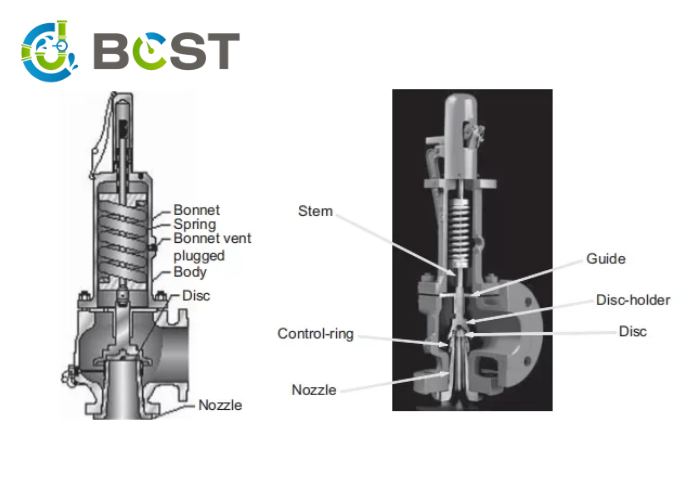
Finding the true root cause is the only way to permanently solve the problem. Just cleaning or replacing the valve without fixing the underlying issue is like taking cough syrup for a lung infection—it might quiet the symptom for a bit, but the real problem is still there, getting worse. Let’s look at the three most common system issues that I see disguised as “valve problems.”
1. Operating Pressure is Too Close to the Set Pressure
This is, by far, the most common root cause of leaking PRVs. Best practice dictates that your normal system operating pressure should be at least 10% below the PRV’s set pressure. For example, if your PRV is set to open at 100 psi, your system should not be running any higher than 90 psi. When you operate too close to the set point, the valve is constantly on the verge of opening. The pressure is high enough to almost lift the disc but not quite. This condition is called “simmering.” It allows small amounts of fluid to leak through, which erodes the delicate, polished sealing surfaces of the seat and disc over time. This erosion causes permanent damage, leading to a valve that will not seal tightly even when the pressure is low. The constant flutter of the disc can also cause mechanical wear to the valve’s guides. Always ensure you have a healthy margin.
2. Improper Outlet Piping
This is a problem that many people overlook. When a PRV opens, it can release a huge amount of force. The outlet piping needed to handle this discharge can be very large and heavy. If that heavy piping is not independently supported, its entire weight hangs off the outlet of the PRV. This physical weight can pull on the valve body, distorting its shape ever so slightly. That tiny distortion is enough to pull the perfectly machined internal seat out of alignment, making a tight seal impossible. I’ve seen brand-new valves leak on day one because of this. As an experienced project engineer like Hassan would tell you, the valve is a precision instrument, not a pipe support. The piping must support its own weight.
3. Incorrect Valve Selection or Sizing
A PRV is not a one-size-fits-all device. You must select the right type, size, and materials for the specific fluid and conditions. Using a standard valve in a highly corrosive chemical service will cause it to fail quickly. More importantly, the valve must be properly sized to handle the required flow rate during an overpressure event. An undersized valve won’t be able to vent pressure fast enough to protect the system. An oversized valve can lead to a phenomenon called “chatter,” where the valve rapidly opens and closes because it releases pressure too quickly. This chatter can be incredibly violent and can destroy the valve’s internals in a matter of seconds.
What’s the Best Way to Prevent PRV Failures Before They Start?
It’s easy to put off maintenance on a valve that just sits there and does nothing all day. But neglecting your PRV is like choosing not to check the brakes on your car. You’re gambling with your safety.
A structured preventive maintenance program is the best insurance against PRV failure. This involves regular, scheduled testing to verify the set pressure, visual inspections for leaks or damage, and careful documentation of the valve’s entire service history.
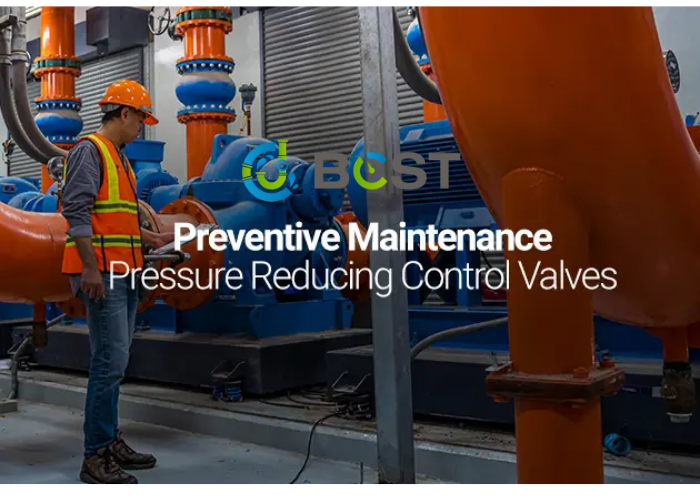
Preventive maintenance turns you from a reactive firefighter into a proactive guardian of your plant’s safety. Instead of waiting for a failure to happen, you find and fix small problems before they can become big ones. A good maintenance program doesn’t have to be complicated, but it does need to be consistent. It requires having the right procedures, the right tools, and, most importantly, the discipline to stick to the schedule. For safety-critical devices like PRVs, this is not optional; it is essential.
In most places, PRV testing and repair must be performed by certified technicians. This is not a job for an untrained mechanic. The technicians have specialized equipment to test the set pressure accurately and the expertise to properly inspect and repair the valve’s internal components. Your job is to make sure these certified inspections happen on schedule.
Here is a simple checklist you can use as the basis for your own preventive maintenance program.
| Maintenance Task | Frequency | What to Look For |
|---|---|---|
| Routine Visual Inspection | Monthly | Any signs of leakage (sound or visual), external corrosion, or physical damage. Ensure the valve’s vent path is not blocked. |
| Functional Test | Annually (or as per code) | The valve is removed and taken to a certified shop. They test that it opens at the correct set pressure. |
| Leakage Test | Annually (during functional test) | The shop tests that the valve seals tightly at pressures below the set point. |
| Internal Inspection | Every 3-5 Years (or during repair) | The valve is fully disassembled. All internal parts (spring, disc, seat, bellows) are inspected for wear, corrosion, and damage. |
| Documentation Review | Annually | Review the maintenance history for the valve. Are there recurring problems? This can point to a root cause in the system. |
By following a simple but rigorous maintenance schedule, you ensure your most critical safety device is always ready to do its job. It’s the best way to guarantee the safety and reliability of your entire operation.
Conclusion
In short, PRV failures are rarely the valve’s fault. They are messages signaling deeper system issues. Proper selection, installation, and a regular, disciplined maintenance schedule are the keys to long-term safety.


 English
 Arabic
 Russian
 French
 Spanish