
Introduction
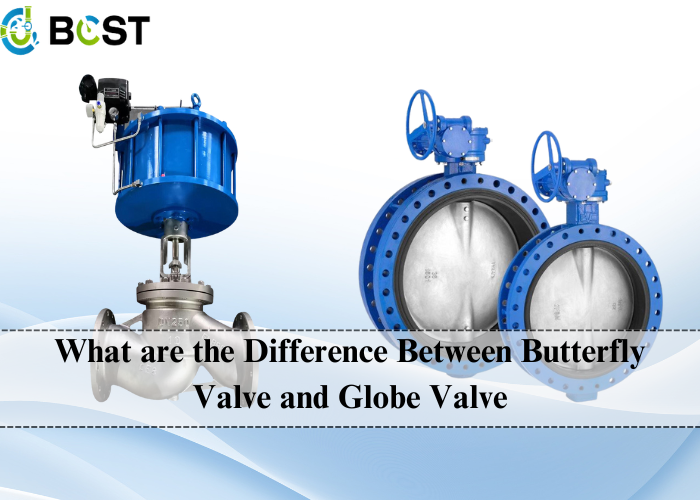
In the realm of fluid control, valves are pivotal in managing the flow and pressure of liquids and gases. Among the various types of valves used in industrial applications, butterfly valves and globe valves are two prominent choices. Each type of valve has distinct features, operational principles, and applications. Understanding the differences between these two types of valves is crucial for selecting the right valve for a given application. This article explores the fundamental differences between butterfly valves and globe valves, examining their design, operation, advantages, limitations, and typical applications.
Design and Construction
Butterfly Valve
1.1 Design
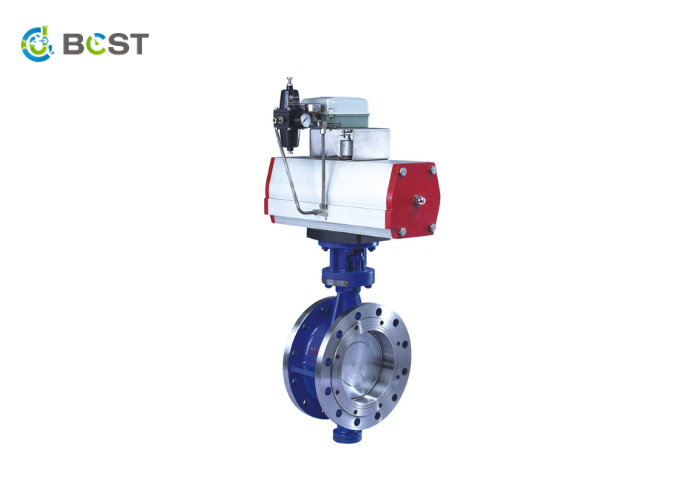
A butterfly valve consists of a circular disc or vane that rotates around a central axis to control the flow of fluid. The disc is mounted on a shaft and positioned in the center of the pipe. The key design feature of the butterfly valve is its quarter-turn operation, meaning the valve can be fully opened or closed with just a 90-degree rotation of the disc.
1.2 Construction
Body: The body of a butterfly valve is generally compact and lightweight, making it suitable for applications where space is limited. It is usually made from materials such as cast iron, stainless steel, or plastic.
Disc: The disc, which controls the flow, is often made from metal or plastic and is designed to be thin and aerodynamic to minimize pressure drop.
Seat: The seat is an integral part of the valve, providing a sealing surface for the disc to close against. Seats are typically made from elastomers or polymers to ensure a tight seal.
Globe Valve

2.1 Design
A globe valve features a spherical body with an internal baffle that divides the flow passage into two halves. The valve operates using a linear motion, where a movable plug (or disc) is raised or lowered to control the flow. Unlike the butterfly valve, which uses a rotary motion, the globe valve uses a vertical motion to control fluid flow.
2.2 Construction
Body: The globe valve body is generally larger and heavier compared to a butterfly valve, and it is typically made from materials such as cast iron, brass, or stainless steel.
Plug: The plug or disc inside the globe valve is designed to fit tightly against the seat, and its shape and movement control the flow of fluid.
Seat: The seat in a globe valve is a machined surface against which the plug seals. It is designed to provide a tight seal and prevent leakage.
Operation Principles
Butterfly Valve
3.1 Operation
The butterfly valve operates with a simple quarter-turn mechanism. When the valve is in the closed position, the disc is perpendicular to the flow direction, obstructing the passage of fluid. When the valve is opened, the disc rotates parallel to the flow, allowing fluid to pass through the valve.
3.2 Advantages
Quick Operation: The quarter-turn operation allows for fast opening and closing of the valve.
Compact Size: The compact design of the butterfly valve makes it suitable for applications with limited space.
Low Pressure Drop: The thin, aerodynamically designed disc results in minimal pressure drop across the valve.
3.3 Limitations
Limited Flow Control: The butterfly valve is less effective for precise flow control compared to globe valves.
Sealing Issues: The sealing capability can be affected by wear over time, especially in high-pressure applications.
Globe Valve
4.1 Operation
The globe valve operates with a linear motion. The plug or disc is raised or lowered by turning the valve stem, which controls the flow of fluid through the valve. The flow passes through the valve body and around the plug, providing precise control over the flow rate.
4.2 Advantages
Precise Flow Control: The linear motion allows for fine adjustment of the flow rate, making it ideal for applications requiring precise control.
Effective Sealing: Globe valves typically provide a tight seal, reducing the risk of leakage.
4.3 Limitations
Slow Operation: The linear motion requires more time to fully open or close the valve compared to the quarter-turn operation of a butterfly valve.
Higher Pressure Drop: The flow path through the globe valve is more convoluted, resulting in a higher pressure drop.
Applications
Butterfly Valve
5.1 Applications
HVAC Systems: Butterfly valves are commonly used in heating, ventilation, and air conditioning systems for their compact size and fast operation.
Water Treatment: They are used in water and wastewater treatment plants for their ability to handle large volumes of fluid with minimal pressure drop.
Chemical Processing: Butterfly valves are suitable for handling corrosive and abrasive chemicals due to their robust construction.
5.2 Ideal Conditions
Large Diameter Pipes: Butterfly valves are well-suited for large diameter pipes where space and weight are concerns.
Moderate Pressure and Temperature: They are typically used in applications with moderate pressure and temperature conditions.
Globe Valve
6.1 Applications
Steam Systems: Globe valves are commonly used in steam systems where precise flow control and effective sealing are required.
Hydraulic Systems: They are used in hydraulic systems for controlling the flow of fluids and providing reliable operation.
Chemical Processing: Globe valves are also used in chemical processing applications where precise control and effective sealing are necessary.
6.2 Ideal Conditions
High Pressure and Temperature: Globe valves are suitable for high-pressure and high-temperature applications where precise control is essential.
Flow Control: They are ideal for applications requiring fine control of fluid flow.
Conclusion
In summary, the choice between a butterfly valve and a globe valve depends on the specific requirements of the application. Butterfly valves offer advantages such as compact size, fast operation, and low pressure drop, making them suitable for large diameter pipes and moderate pressure applications. On the other hand, globe valves provide precise flow control and effective sealing, making them ideal for high-pressure and high-temperature applications. Understanding the differences in design, operation, and applications can help in selecting the most appropriate valve for a given task, ensuring optimal performance and reliability.


 English
 Arabic
 Russian
 French
 Spanish