
The Hidden Danger Lurking in Storage Tanks
Imagine a large industrial storage tank, seemingly calm on the outside. Inside, it holds liquids or gases under pressure, essential for processes we rely on daily. But what happens if that pressure suddenly vanishes? A sudden, instantaneous pressure drop isn’t just a minor issue; it can lead to catastrophic equipment failure, dangerous leaks, costly downtime, and serious safety risks for personnel and the environment.
Often, the hidden culprit behind such events is the failure of a critical valve a component working tirelessly until, suddenly, it doesn’t. Understanding why valves fail and how this triggers dangerous storage tank pressure loss is the first step toward prevention.
This article aims to shed light on this critical issue. We will explore the common causes of valve failure, discuss fundamental preventative strategies, and explain the technical principles behind engineered safety systems designed to protect against rapid depressurization. Our goal is to share technical knowledge based on industry understanding to promote safer tank safety systems.
Understanding the Dynamics: Why Valves Fail and Pressure Plummets
Storage tanks operate within specific pressure ranges. Think of it like air in a tire too little or too much causes problems. Valves control the flow in and out, helping maintain the right pressure. But valves are mechanical devices subject to demanding conditions.

Common Causes of Critical Valve Failure:
Why might a crucial valve suddenly stop working correctly? Several factors can contribute:
- Wear and Tear: Like any moving part, valve components (seals, seats, stems) wear down over time, especially with frequent use.
- Corrosion: The materials inside the tank or the outside environment can chemically attack the valve, weakening it. Choosing corrosion-resistant valves is important but doesn’t eliminate all risks.
- Wrong Choice or Setup: Installing a valve not designed for the specific pressure, temperature, or substance it handles is a recipe for failure. Incorrect installation can also cause stress.
- System Problems: Sudden pressure spikes or operational errors elsewhere in the system can damage valves.
- Dirt and Debris: Small particles flowing through the system can damage valve seals or prevent them from closing properly.
When a key valve fails (e.g., sticks open, breaks, or leaks badly), it can create an unintended path for pressure to escape rapidly. This instantaneous pressure drop can buckle tank walls, damage connected equipment, and release hazardous materials, compromising overall storage tank integrity. Understanding these valve failure modes is crucial for prevention. (Keyword: causes of industrial valve failure)
Proactive Prevention: Foundational Strategies for Tank and Valve Integrity
Preventing failure starts long before an emergency happens. Two key strategies are fundamental:
1. Selecting the Right Valve for the Job:
Choosing the correct valve isn’t just about matching pipe size. It involves careful consideration of:
- Operating Conditions: What are the normal and maximum pressures and temperatures?
- Media: What substance will flow through the valve? Is it corrosive, abrasive, or gaseous?
- Function: What does the valve need to do? (e.g., simply shut off flow, regulate pressure, prevent backflow).
- Materials: Ensure the valve body and internal parts are compatible with the substance and environment.
Following industry standards, like those from the American Petroleum Institute (API) or the American National Standards Institute (ANSI), helps guide proper selection.
2. Implementing Robust Maintenance & Inspection Protocols:
Regular checkups can catch problems before they lead to failure. A good preventative maintenance (PM) plan often includes
- Visual Inspections: Looking for leaks, corrosion, or physical damage.
- Functional Testing: Periodically operating the valve to ensure it moves freely and seals properly.
- Actuator Checks: Ensuring automated valves open and close as commanded.
- Cleaning: Keeping valves and surrounding areas free of debris.
Adhering to established industry best practices and guidelines provided by valve manufacturers is essential for effective maintenance.
Key Engineered Safety Components and Systems
While prevention is key, engineered systems provide a critical safety net for when things go wrong. These often rely on the principle of fail-safe valves valves designed to automatically go to a safe position (usually closed) if power or control signals are lost.
The Role of Emergency Shutoff Valves (ESVs):

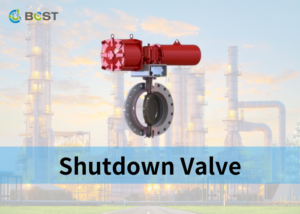
These are the fast-acting guardians of tank safety. An emergency shutoff valve is designed to slam shut rapidly when a dangerous condition is detected, isolating the tank and preventing further loss of pressure or product. Key features often include:
- Speed: Very fast closing times (often fractions of a second).
- Reliability: Designed for high reliability and tight sealing.
- Robustness: Built with strong materials suitable for the service.
- Automation: Typically triggered automatically by sensors.
Integrating Components into a Safety Instrumented System (SIS):
ESVs rarely work alone. They are part of a system.
- Sensors (like Pressure Switches – PSWs): These devices constantly monitor conditions like pressure. If the pressure drops below a critical safe level, the PSW sends a signal. (Keyword: pressure switch tank safety)
- Logic Solver: A simple controller (or part of a larger system) receives the signal from the sensor.
- Final Element (The ESV): The logic solver commands the ESV to close immediately.
In some tank overpressure protection systems (or underpressure), pneumatic control valves might also play a role, perhaps attempting to regulate pressure before an emergency shutdown is triggered. The overall goal is a layered defense.
Considering Fire Safety Design:
In facilities handling flammable materials, fire-safe valves are critical. These valves are specially designed and tested (e.g., to API 607 standards) to minimize leaks even when exposed to extreme heat, preventing fuel from feeding a fire.
Implementing and Verifying Tank Safety Systems
Putting safety systems in place requires careful planning.
- Risk Assessment: Identify potential hazards and determine where safety systems like ESVs are most needed.
- Correct Installation: Valves and sensors must be installed according to specifications to function correctly. Improper installation can disable a safety system.
- Safety Integrity Level (SIL): For high-hazard situations, engineers calculate a required SIL rating, indicating the necessary reliability of the safety system. Components are chosen to meet this level.
- Regular Functional Testing: Safety systems aren’t “install and forget.” They need periodic testing (proof testing) to ensure they will work when needed. This is often mandated by standards like IEC 61511 for process industries.
Conclusion: Prioritizing Safety Through Understanding and Prevention
Sudden, uncontrolled pressure loss in storage tanks poses significant risks that cannot be ignored. While valve failures are a common trigger, they are often preventable.
A robust approach combines careful valve selection, diligent maintenance routines, and well-designed engineered safety systems featuring components like emergency shutoff valves. Understanding the technical principles behind why failures happen and how safety systems work empowers engineers, operators, and maintenance teams to make informed decisions.
Ultimately, maintaining the integrity and safety of storage tank systems requires continuous vigilance, adherence to best practices, and a proactive commitment to preventing failures before they occur.


 English
 Arabic
 Russian
 French
 Spanish