

How Shut-Off Ball Valves Work and Why They're Essential for Water Systems
Shut-off ball valves are engineered for quick, reliable flow control in water systems, using a rotating ball with a bore that aligns with the pipe for full flow or perpendicularly seals it off. Their quarter-turn operation allows for rapid isolation during leaks or maintenance, making them a staple in commercial plumbing, HVAC, and industrial water treatment. However, they're not suited for throttling or flow regulation, as partial openings can erode seats and cause premature failure.
In commercial settings, these valves shine in high-pressure environments up to 1,000 psi, providing bubble-tight shutoff per ANSI/FCI 70-2 standards. But success depends on proper selection—full-port designs reduce pressure drop and minimize turbulence, ideal for large-scale water distribution. A facility engineer we consulted recalled a burst pipe in a warehouse that was isolated in seconds thanks to a well-placed ball valve, averting extensive flooding. For your system, consider BCST’s shut-off ball valves, certified to NSF/ANSI 61 & 372 for lead-free, potable water safety.
What Materials Work Best for Water Shut-Off Ball Valves in Commercial Applications?
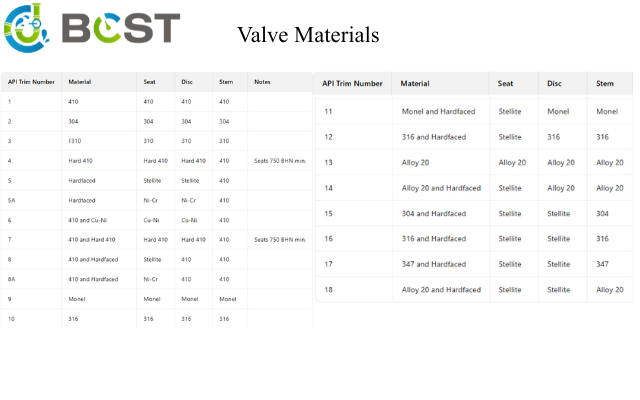
The material of your shut-off ball valves can mean the difference between decades of reliable service and frequent replacements—especially in commercial systems exposed to varying water chemistries. Lead-free brass is a top choice for most potable water setups, handling temperatures up to 200°F and pressures to 600 psi, while offering good corrosion resistance. Stainless steel, like 316 grade, excels in harsh conditions with high chlorine or acidity, enduring up to 1,000 psi but at 3-5x the cost. CPVC is affordable for hot water lines, though less durable in freezing outdoor environments.
Material Selection Guide
| Material | Temperature Range | Pressure Rating | Chlorine Resistance | Cost Factor | Best For Commercial Use |
|---|---|---|---|---|---|
| Lead-Free Brass | -20°F to 200°F | 600 psi | Good | 1x | Municipal water, HVAC systems |
| Bronze | -20°F to 250°F | 800 psi | Excellent | 1.5x | Pool systems, alkaline water |
| CPVC | 40°F to 200°F | 400 psi | Fair | 0.7x | Hot water recirculation |
| Stainless 316 | -450°F to 800°F | 1,000 psi | Excellent | 4x | Chemical-treated or hard water |
Critical Water Quality Factors
- pH Levels
- Acidic water (pH <6.5): Stainless steel prevents pitting and leaks.
- Alkaline water (pH >8.5): Bronze resists scaling better than brass.
- Neutral water: Brass or CPVC suffices, but always check for NSF/ANSI 61 certification.
- Chlorine Content
- Municipal water (<4 ppm): Brass is cost-effective.
- Superchlorinated systems: Stainless or bronze to avoid degradation.
- Well water: Test for sulfides, which can corrode brass quickly.
- Hard Water Concerns
- High mineral content (TDS >500 ppm): Opt for full-port valves to reduce buildup.
- Scale-prone areas: Avoid plastic seats; use metal-to-metal for longevity.
- Regular descaling: Essential in commercial setups to maintain flow efficiency.
Common Mistakes to Avoid
- Installing standard brass in hot recirculating systems, leading to dezincification.
- Using CPVC outdoors without freeze protection, risking cracks.
- Mixing metals without dielectric unions, causing galvanic corrosion.
In a commercial high-rise we supplied, switching to BCST’s stainless steel shut-off ball valves resolved chronic leaks in chlorinated water lines. Refer to our valve material guide for tailored recommendations.
How Often Should You Exercise Shut-Off Ball Valves in Commercial Buildings?
Infrequent use is the silent killer of shut-off ball valves in commercial water systems—mineral buildup or seal drying can render them inoperable during crises. Industry experts recommend exercising valves quarterly by cycling them fully open and closed 3-5 times to prevent sticking and maintain seals. This simple routine identifies issues early, ensuring compliance with standards like NSF/ANSI 61 for safe operation.
Maintenance Schedule Breakdown
Commercial Systems:
| Valve Location | Frequency | Action Required | Special Tools |
|---|---|---|---|
| Main Shutoff | Quarterly | Full cycle 5 times + leak check | Adjustable wrench |
| Fixture Valves | Biannually | Operate + inspect for corrosion | None |
| Irrigation/Process Valves | Seasonally | Flush and cycle before shutdown | Drain key |
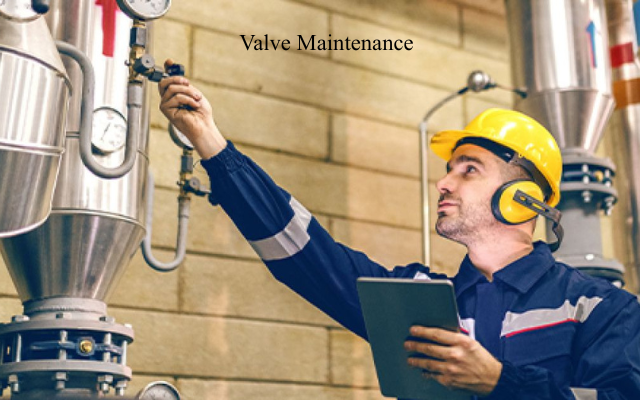
Comprehensive Maintenance Checklist
- Annual Inspection
- Measure torque (<50 in-lbs for easy operation).
- Check exterior for corrosion or drips.
- Test in real scenarios to simulate emergencies.
- Every 5 Years
- Replace packing glands if leaks appear.
- Lubricate stems with food-grade grease for potable systems.
- Inspect internals via drain ports or borescope.
- Emergency Preparedness
- Install operable backups for critical lines.
- Tag and map valves for quick access.
- Train staff on operation to reduce response time.
Troubleshooting Common Issues
| Symptom | Likely Cause | Immediate Action | Permanent Fix |
|---|---|---|---|
| Hard to Turn | Mineral buildup | Apply penetrating oil | Replace with full-port BCST valve |
| Leaking When Closed | Damaged seats | Tighten 1/4 turn | Replace valve core |
| Handle Spins Freely | Broken stem | Shut off upstream | Full valve replacement |
| Drips from Stem | Worn packing | Tighten packing nut | Repack or upgrade assembly |
A commercial building manager we assisted cut downtime by 40% through biannual exercises. For robust options, explore BCST’s pneumatic shut-off ball valves for automated systems.
Investigating Valve Failures in Commercial Water Systems: Causes, Methods, and Prevention
When shut-off ball valves fail in commercial water systems, the consequences can range from minor leaks to system-wide shutdowns, potentially costing businesses thousands in repairs and lost productivity. Investigating these failures systematically is crucial for identifying root causes, implementing fixes, and preventing recurrences. Common triggers include seal wear from abrasive particles or chemical exposure, corrosion due to incompatible materials or water chemistry, stem damage from over-torquing, debris blockage in hard water environments, and improper installation like misalignment or incorrect torque application. In water systems, accumulation of dirt, rust, or mineral residues often exacerbates issues, leading to sticking valves or incomplete shutoff.
Common Causes of Ball Valve Failures in Water Systems
- Seal and Seat Damage: Erosion from partial opening or abrasive fluids causes leaks; in chlorinated water, this accelerates wear.
- Corrosion and Rust: Incompatible materials (e.g., standard brass in acidic water) lead to pitting; hard water scales internals.
- Stem and Body Issues: Broken stems from excessive force or body seal failures from poor assembly.
- Debris and Blockage: Dirt or residues jam the ball, common in untreated well water.
- Installation Errors: Misalignment or improper lubrication during setup causes early failure.
A procurement specialist we worked with traced a warehouse flood to a corroded stem in a neglected valve, highlighting the need for thorough probes.
Methods for Investigating Valve Failures
Effective investigations combine visual inspections, testing, and analysis to pinpoint issues without disrupting operations excessively. Start with a root cause analysis (RCA) framework like the 5 Whys or Fishbone diagram to map contributing factors.
- Visual and Physical Examination: Disassemble the valve to check for pitting, grooves, or buildup using tools like borescopes or dye penetrants.
- Pressure and Leak Testing: Simulate operating conditions to detect incomplete shutoff or drips.
- Material and Fluid Analysis: Test water samples for pH, chlorine, or TDS; use metallurgical exams for corrosion patterns.
- Operational Data Review: Analyze logs for unusual pressures or cycles that might indicate misuse.
- Expert Consultation: Engage manufacturers like BCST for forensic reviews, especially for warranty claims.
In a municipal water network case, a detailed RCA revealed debris from upstream pipes as the culprit, leading to strainer installations.
Prevention Strategies Based on Investigations
- Install upstream filters to block debris.
- Choose materials matching water chemistry (e.g., stainless for acidic conditions).
- Train staff on proper torque and operation to avoid stem damage.
- Schedule regular lubrication and exercises to combat sticking.
- Use full-port designs in high-flow systems to minimize wear.
By investigating failures proactively, commercial operators can extend valve life by 50% or more. BCST offers failure analysis services to support your team.
Frequently Asked Questions About Shut-Off Ball Valves for Water Systems
What Are Shut-Off Ball Valves Used For in Commercial Water Systems?
They isolate sections quickly during leaks, ideal for HVAC and process lines. BCST’s ball valves meet NSF/ANSI 61 for safety.
Should You Use Brass or Stainless Steel Shut-Off Ball Valves?
Brass for standard potable water; stainless for harsh conditions. Brass offers equal performance in most cases. See BCST’s stainless options.
How Often Should You Exercise Shut-Off Ball Valves in Commercial Buildings?
Quarterly cycles prevent sticking. Annual inspections for corrosion. Follow our maintenance guide.
What Causes Shut-Off Ball Valve Failures in Water Systems?
Corrosion, buildup, or improper materials. Regular exercise mitigates risks.
Are Shut-Off Ball Valves Suitable for Hot Water Systems?
Yes, with CPVC or bronze for temperatures up to 250°F. BCST’s high-temperature valves.
What Standards Should Shut-Off Ball Valves Meet for Potable Water?
NSF/ANSI 61 & 372 for lead-free compliance.
How Can You Prevent Leaks in Shut-Off Ball Valves?
Match materials to water chemistry and exercise regularly.
What’s the Cost Difference Between Materials for Shut-Off Ball Valves?
Stainless is 4x brass, but lasts longer in commercial use.
Protect Your Water System with BCST’s Reliable Shut-Off Ball Valves
Shut-off ball valves can be the best choice for your commercial water system when selected and maintained properly—matching materials to chemistry, exercising quarterly, and investigating failures promptly prevents issues while ensuring compliance with NSF/ANSI standards. Our case studies demonstrate real savings in manufacturing and treatment facilities. With BCST’s expertise and certifications like ATEX and SIL2, invest in durability today. Contact BCST for custom shut-off ball valves or consultations. Share your experiences in the comments or on LinkedIn!


 English
 Arabic
 Russian
 French
 Spanish