
In the world of industrial operations, steam is the unsung hero, a powerful medium essential for everything from power generation to ensuring sterile conditions in pharmaceutical manufacturing. Yet, a critical mistake many make is treating all steam the same. The reality is that the two faces of steam—saturated and superheated—present vastly different challenges, and choosing the wrong hardware can have severe consequences for safety, efficiency, and your bottom line.
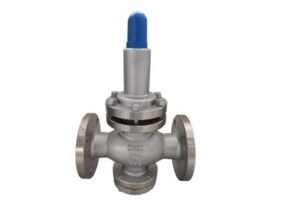
The selection of appropriate steam valves is not merely a component choice; it’s a foundational decision for system integrity. An incorrect valve can lead to catastrophic failure, while the right one ensures decades of reliable service. This guide offers expert insight into making that crucial choice.
Understanding the Medium: Saturated Steam
Saturated steam is defined by a state of equilibrium; it’s steam at the exact temperature at which water boils for a given pressure, and it always contains moisture. This direct temperature-pressure relationship makes it an incredibly stable and efficient medium for heat transfer.
- Key Characteristics: Contains moisture, has excellent heat transfer properties, and its temperature and pressure are directly linked.
- Primary Applications: Ideal for process heating, heat exchangers, food processing, and pharmaceutical sterilization.
- Valve Requirements: Steam valves in saturated systems must provide exceptional sealing against moisture, resist corrosion from steam condensate, and offer precise flow control. For these applications, materials like cast steel offer a fantastic balance of durability and cost-effectiveness.
Upping the Ante: Superheated Steam
Superheated steam is created by heating saturated steam beyond its boiling point, eliminating all moisture content. The result is a high-energy, low-density gas that can reach temperatures far exceeding its saturation point at the same pressure.
- Key Characteristics: Contains no moisture, possesses a higher energy density, and its temperature is independent of its pressure.
- Primary Applications: Essential for high-demand processes like power generation turbine operations and other high-temperature industrial processes.
- Valve Requirements: This is where engineering becomes extreme.
- Steam valves must be built for extreme temperature resistance. This often requires moving from cast materials to forged steel bodies for superior strength and pressure resistance at elevated temperatures. Specialized metal seats and high-integrity packing are not optional; they are mandatory for safety and performance.
Solving the Most Common (and Costly) Steam Valve Challenges
Across industries, operators face similar pain points with their steam valves. Here’s how a targeted engineering approach solves them.
1. The Challenge: Pervasive Leakage and Energy Loss
A leaking valve isn’t just a maintenance issue; it’s a constant drain on resources. Steam leakage leads directly to significant energy waste, and because high-pressure steam can be invisible, it creates severe safety hazards for personnel. These leaks are often caused by worn seals, damaged seats, or packing failure from improper material selection.
- ✅ The BCST Solution: Advanced Sealing Technologies We combat leaks with precision-engineered sealing systems and high-quality materials like flexible graphite packing, ensuring leak-tight performance across all operating conditions. This focus on integrity minimizes energy waste and enhances plant safety. For a deeper dive into steam efficiency, the U.S. Department of Energy offers excellent resources on managing steam systems
2. The Challenge: Premature Failure and Unplanned Downtime
In harsh steam environments, frequent valve failures lead to costly maintenance, unplanned shutdowns, and lost production. This is often a direct result of specifying a general-purpose valve for a specialized steam application.
- ✅ The BCST Solution: Engineering for Extended Service Life Our steam valves are not just built; they are engineered for durability. By using specialized materials and robust designs proven to withstand harsh conditions, we significantly extend valve lifespan and reduce maintenance frequency.
3. The Challenge: Inaccurate Control and Process Instability
Poor valve control creates fluctuations in your process, leading to reduced efficiency, inconsistent product quality, and operational instability.
- ✅ The BCST Solution: Precision Control Systems We offer advanced control valve designs featuring responsive actuation and seamless integration with intelligent automation systems. This ensures precise, stable, and repeatable regulation of flow and pressure, keeping your process running smoothly.
Your Guide to High-Performance Steam Valves
BCST offers a complete portfolio of steam valves, ensuring the right technology for every application.
- Globe Valve: The ultimate choice for precise throttling and flow control, offering superior sealing and tight shut-off capabilities.
- Gate Valves: Perfect for on/off isolation applications where a minimal pressure drop is required when the valve is fully open.
- Ball Valves: Provide quick shut-off and excellent flow characteristics, making them suitable for both isolation and moderate control.
- Butterfly Valves: A compact and cost-effective solution for larger pipelines that require reliable flow control.
- Control Valves: The core of any automated process, these steam valves offer advanced solutions for precise regulation.
- Specialty Valves: For the most unique challenges, we provide custom-engineered steam valves with specialized designs and materials.
Your Partner in Steam System Excellence
The difference between a safe, efficient steam system and a problematic one often comes down to the valve. Understanding the fundamental differences between saturated and superheated steam is the first step to making an informed decision. The next is choosing a partner with the expertise to guide you.
Don’t let suboptimal steam valves compromise your operation. Contact BCST’s experts today to ensure you have the right valve, for the right application, every time.


 English
 Arabic
 Russian
 French
 Spanish