

Is the boiler room the mysterious heart of your plant? Its jungle of pipes and loud burner can make anyone nervous. If it fails, your entire operation stops.
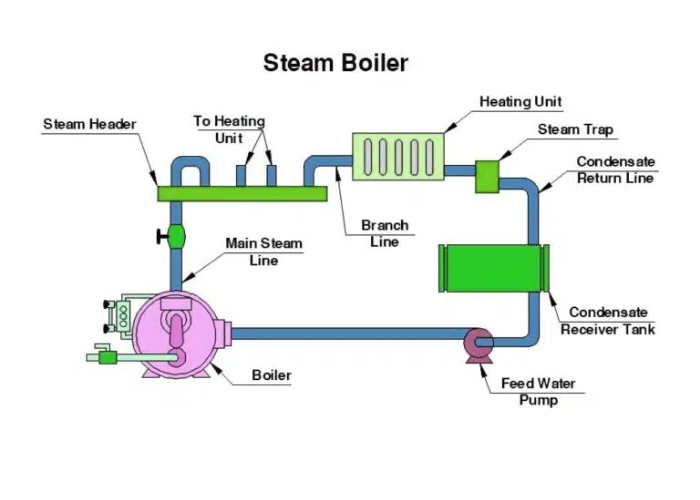
A steam boiler is a sealed metal tank that heats water to create high-pressure steam. It works by burning fuel, like natural gas, to put heat into the water. This turns the water into a powerful energy source for making electricity and running factory processes.
What Makes a Steam Boiler More Than Just a Big Kettle?
Do you think a boiler is just a big pot for boiling water? That idea misses the most important part: pressure. Pressure is what turns simple steam into a powerful industrial tool.
A steam boiler is a special system made to heat water in a sealed tank. This creates steam at a pressure much higher than the air around us. It burns fuel to move heat into the water safely and efficiently, creating energy you can use.
From Fuel to High-Pressure Steam
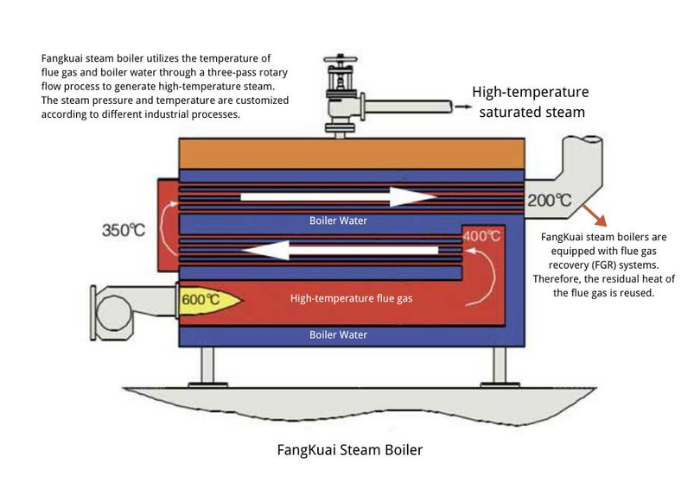
The main idea is simple. You heat water until it becomes steam. But you must do it under pressure to make it useful for industry. If you boil water in an open pot, the steam just floats away. Inside a sealed boiler, the trapped steam has nowhere to go. As you add more heat, the steam’s pressure and temperature shoot up. This high-pressure steam holds a lot of stored energy.
Hassan often tells his team, “We are not just making steam; we are making pressure.” The fuel you use to make this heat depends on cost, what is available, and local rules.
Common Fuels for Steam Boilers
| Fuel Type | Description |
|---|---|
| Natural Gas | A clean and efficient fuel. It is easy to move through pipelines. |
| Oil | A common fuel for factories and ships. It needs to be stored in tanks. |
| Coal | Used in large power plants, but less common now because of pollution. |
| Biomass | Burns organic material like wood chips. It is a renewable choice. |
| Electricity | Uses heating coils like in a toaster. It is clean but can be expensive. |
The boiler’s job is to turn the energy in these fuels into high-pressure steam. It must do this safely and without wasting heat.
What Are the Main Types of Steam Boilers?
Are you picking a boiler for a new building? If you choose the wrong type, you might waste a lot of fuel. Or worse, the boiler might not be powerful enough for the job.
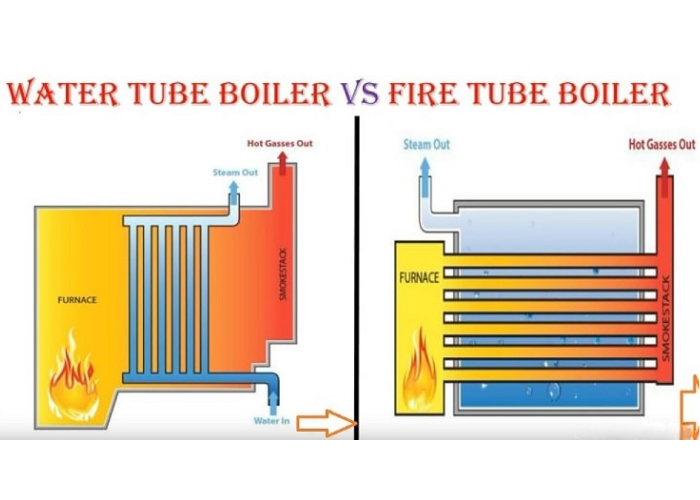
There are two main types of steam boilers based on how they are built. In a fire-tube boiler, hot gas flows through tubes inside a tank of water. In a water-tube boiler, water flows inside tubes that are heated from the outside.
Choosing the Right Boiler for Different Applications
A boiler for heating a building is very different from a boiler for a power plant. The right choice depends on the pressure you need and how much steam you need to make. Hassan’s plants use huge water-tube boilers. But a local brewery I sell valves to uses a smaller fire-tube boiler.
Types Based on How They’re Built
- Fire-Tube Boilers: Hot gas from the burner flows through tubes. These tubes are under water in a large tank. They are simple and work well for lower-pressure jobs like heating.
- Water-Tube Boilers: Water flows inside many small tubes. The fire heats these tubes from the outside. They can handle very high pressures and are standard for big factories and power plants.
Types Based on Pressure
- Low-Pressure Boilers: These make steam at or below 15 psi (pounds per square inch). They are mostly used for heating.
- High-Pressure Boilers: These make steam above 15 psi. They are used for all industrial jobs that need steam.
The boiler’s design decides what it can do. Picking the right one is the first step to building a good steam system.
How Does a Fire-Tube Boiler Differ From a Water-Tube Boiler?
Do you need huge amounts of steam at very high pressures? Or do you need a simpler steam source for a smaller job? The answer will tell you which boiler design is right for you.
The main difference is what flows inside the tubes. In a fire-tube boiler, hot gas is in the tubes. In a water-tube boiler, water is in the tubes. This allows water-tube boilers to handle much higher pressures.
Key Design Differences Between Fire-Tube and Water-Tube Boilers
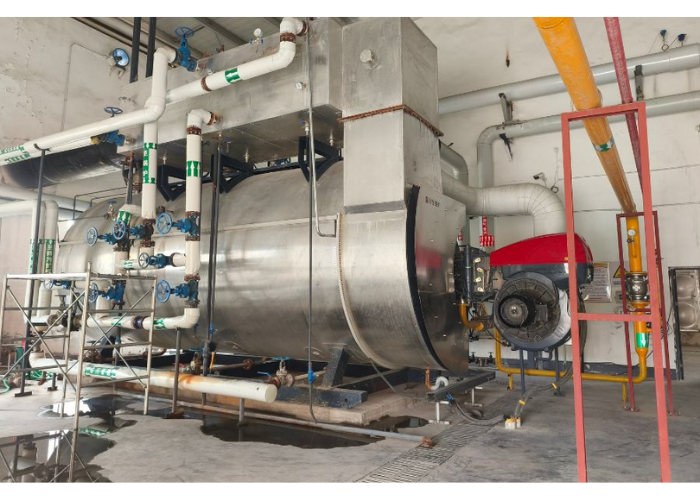
From the outside, both boilers look like big, insulated tanks. But inside, they are completely different. Their parts, benefits, and problems are not the same.
Fire-Tube Boilers
- How they work: A large tank is full of water. Hot gas from the fire flows through tubes inside this tank. Heat moves from the gas, through the tube walls, and into the water.
- Good points: They are simple, cheaper to build, and take up less space.
- Bad points: The large tank cannot handle very high pressures. They are also slow to make steam from a cold start. They are best for pressures below 250 psi.
Water-Tube Boilers
- How they work: Water flows through many small tubes. The fire and hot gases surround these tubes. Steam forms inside the tubes and collects in a large tank, called a drum, at the top.
- Good points: The pressure is inside small, strong tubes, so they can run at very high pressures. They also make steam much faster.
- Industrial use: This design is the only option for big jobs. Think of large chemical plants, oil refineries, and power plants. They all need high-pressure steam.
What Are the Key Safety Controls on a Steam Boiler?
Is your maintenance list missing the boiler’s most important safety devices? If you ignore a low water sensor or a bad safety valve, you are asking for a dangerous explosion.
The most important safety parts are the safety relief valve and the low water cutoff. The safety valve protects against too much pressure. The low water cutoff shuts down the boiler if the water level gets too low.
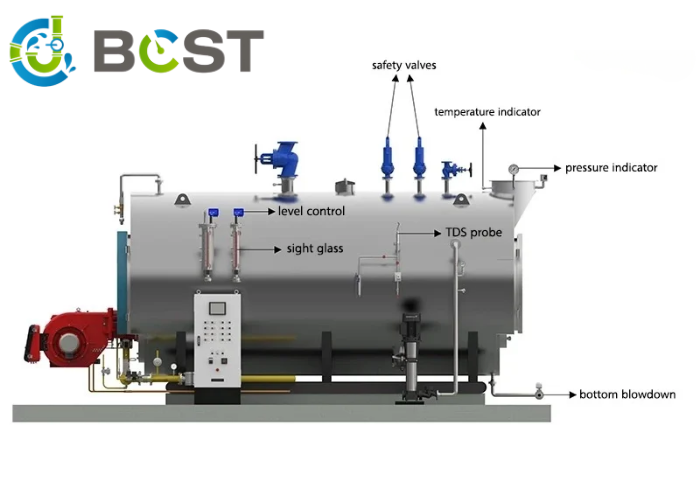
Essential Boiler Safety Control Systems
A boiler contains a huge amount of energy. These safety parts make sure that energy always stays under control. Hassan says the safety systems are the most important part of any boiler design. They are not optional.
Must-Have Safety Devices
- Safety Relief Valve: This is the most important safety device. It is a simple mechanical valve. If the steam pressure gets too high, it automatically pops open to vent the steam. This prevents the boiler from exploding.
- Low Water Cutoff (LWCO): Running a boiler without enough water is the quickest way to destroy it. The metal can get too hot and melt. The LWCO is a sensor that shuts off the fire if the water level drops to an unsafe point.
- Burner Management System (BMS): This is the boiler’s brain. It controls the fire. It makes sure there is no unburnt fuel in the boiler before it lights the burner. It also watches the flame and shuts everything down if the fire goes out by accident.
- Expansion Tank: In hot water systems, this small tank gives the hot, expanding water a place to go. This stops pressure from building up and breaking pipes.
When I sell safety valves for boilers, the rules are very strict. There is no room for mistakes. These parts are the last defense against disaster.
FAQs
What is the main difference between a steam boiler and a hot water boiler?
A steam boiler makes high-pressure steam. A hot water boiler just heats up water but keeps it as a liquid.
How is a boiler different from a furnace?
A boiler heats water to make steam or hot water. A furnace heats air to warm up buildings.
What are the main parts of a boiler system?
Key parts include the tank, burner, tubes, water feeding system, controls, and safety valves.
Why are water-tube boilers used in power plants?
They can make huge amounts of high-pressure steam. This is needed to turn the large turbines that generate electricity.
Conclusion
The steam boiler is the engine for many factories and buildings. Understanding the basics of how they work, the different types, and their safety systems is important for anyone who wants a safe and efficient workplace.


 English
 Arabic
 Russian
 French
 Spanish