
Air is trapped in your water lines, silently causing blockages, reducing flow, and setting up the conditions for destructive water hammer. You need to get this air out automatically.
Air relief valves are simple, automatic devices that release trapped air from high points in a pipeline. They use an internal float that drops when air collects, opening a small orifice to vent the air. Once the liquid returns, the float rises and seals the valve.
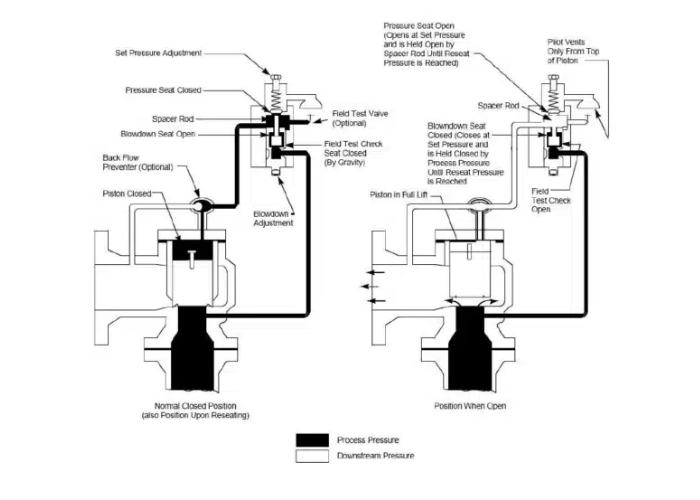
The problems caused by trapped air are invisible until it’s too late. I remember talking with a client, Hassan. He was the Chief Engineer on a huge petrochemical project in Nigeria. He knew from experience that if his team overlooked air management, the plant would face constant operational headaches and, worse, the risk of a major failure. He was right to be concerned. Air is a pipeline’s quiet enemy. You must understand the threat before you can defeat it.
Why Is Trapped Air So Damaging to Your Pipeline?
Air pockets in your pipeline create massive friction and can even stop the flow entirely. These blockages strain your pumps and create dangerous pressure surges that wreck your system.
Trapped air shrinks the inside of your pipe, increasing friction and drastically lowering flow rates. These air pockets also cause destructive water hammer events and speed up corrosion, destroying your pipeline from the inside out.
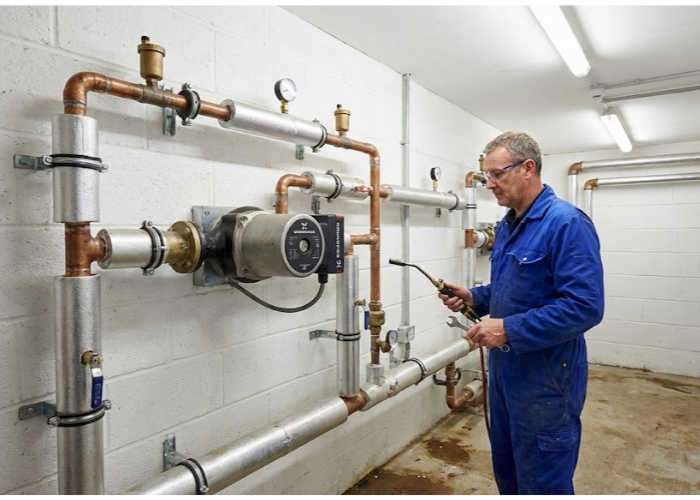
When Hassan described his project, I knew air was a top concern. Air gets into water systems in a few ways. It’s already dissolved in the water, and it separates out when pressure drops or the water heats up. You also force a ton of air into the system when you first fill it. This air collects at every high point, acting like a solid blockage. This is not a small problem. It is a fundamental threat to your pipeline’s health. Ignoring it will cost you a lot of money. My father told me a story I’ll never forget about a municipal water line failure. A large air pocket caused a massive pressure surge that blew out a pipe joint. The resulting flood was a disaster for the city. It was an expensive lesson that proved even a little bit of trapped air leads to a catastrophe.
The Real-World Consequences of Air
The problems caused by trapped air are serious and they are expensive. An air pocket effectively makes your pipe smaller. This creates more friction, so your pumps have to work much harder to push water past the “blockage.” This wastes a huge amount of energy and money.
| Problem | Impact on Your System |
|---|---|
| Increased Headloss | Air forces your pumps to work overtime, fighting against friction that shouldn’t be there. Your electricity bill climbs higher every day. |
| Reduced Flow Rate | The air blockage severely cuts down the amount of water your pipeline delivers. In bad cases, it stops the flow completely. |
| Surge Pressures (Water Hammer) | An air pocket suddenly breaks free and travels down the pipe. A solid column of water slams into another, creating a pressure spike that shatters pipes and destroys equipment. |
| Accelerated Corrosion | Air pockets inside steel pipes are a perfect breeding ground for rust. The corrosion happens fast, eating away at your pipe from the inside. |
| Inaccurate Meters | Flow meters measure liquid, not a mix of liquid and air. Air pockets make them give you bad data, throwing off your entire process. |
What Are the Different Types of Air Valves?
You know you need to vent air, but different problems require different tools. Choosing the wrong valve fails to protect your system from either gradual air buildup or sudden vacuum conditions.
You have three main choices. Air-release valves vent small amounts of air while the system is running. Air/vacuum valves handle large air volumes when you fill or drain the line. Combination valves do both jobs.
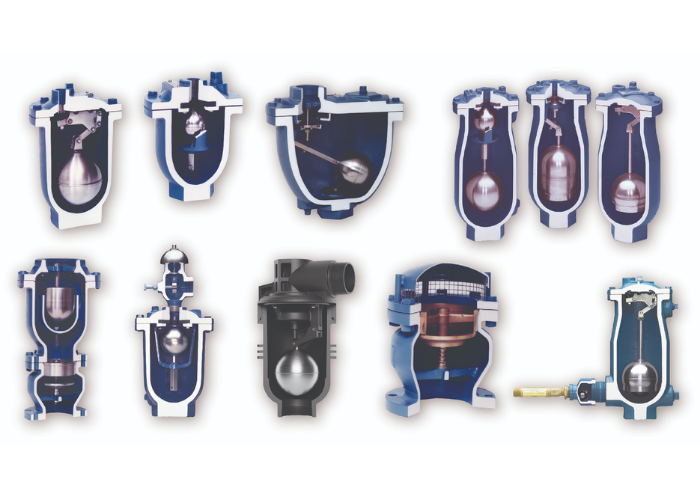
Not all air problems are the same, so there is no single “air valve.” Your pipeline has different needs at different times. It needs to breathe out small amounts of air during normal work. It needs a massive exhale when you first fill it. And it needs to inhale huge amounts of air when you drain the line so it doesn’t collapse. We have three specific tools for these jobs. Picking the wrong one is a classic mistake. I’ve seen it happen. It’s like trying to turn a screw with a hammer—it just creates a bigger problem. You have to understand what each tool does to manage air properly.
Choosing the Right Tool for the Job
Selecting the correct valve is absolutely essential for complete pipeline protection. Each valve has a specific orifice size and a specific job. You must match the valve to the task at hand.
| Valve Type | Main Function | Orifice Size | Best Application |
|---|---|---|---|
| Air-Release Valve | Vents small amounts of air while the system is under pressure. | Small | Placed at high points to “breathe” out air that collects during normal operation. |
| Air/Vacuum Valve | The heavy lifter. Vents huge volumes of air during filling and lets air in during draining. | Large | Protects against pipeline collapse (vacuum) and lets you fill the line quickly without air getting trapped. |
| Combination Air Valve | The all-in-one protector. Does the job of both an air-release and an air/vacuum valve. | Small and Large | The best choice for most critical pipelines, providing complete protection in all situations. |
The air-release valve is your system’s tireless breather. It handles the air that comes out of solution during daily operation. It has a small opening (orifice) that prevents the internal float from being slammed shut by rushing air. It just sips the air out as it collects, keeping your system running at peak efficiency.
The air/vacuum valve is your protection during big events like startup and shutdown. Its large opening expels massive amounts of air, letting you fill the pipe fast. Just as importantly, if you drain the pipe or it breaks, the valve opens to let air in. This prevents a vacuum from forming that would crush a thin-walled pipe flat.
For any critical pipeline, like Hassan’s, the combination air valve is the smartest choice. It puts both a small air-release orifice and a large air/vacuum orifice into one valve body. This single unit handles every situation, from small gas pockets to massive air movements. It is the complete protection package.
How Does This Simple Valve Work All by Itself?
You can’t have someone manually bleed air from a pipeline. You need a solution that works 24/7, automatically, with no power or human help. So how does it do it?
An air relief valve uses a simple float connected to a lever. When air pushes the water level down inside the valve, the float drops and opens a small hole. When water fills the valve again, the float rises and plugs the hole.
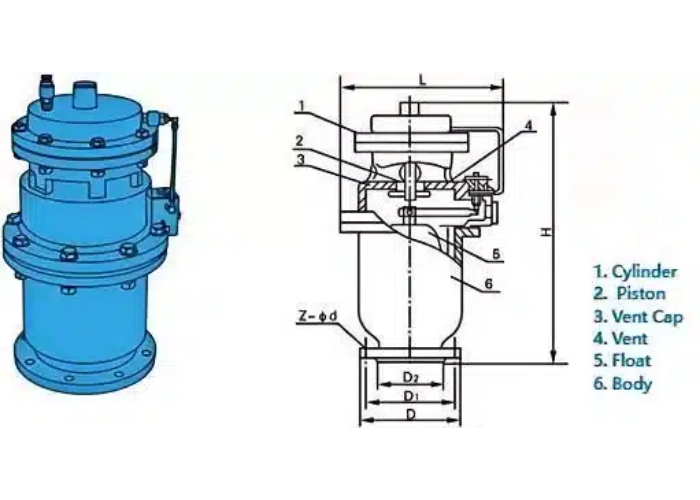
The brilliance of an air relief valve is its simplicity. It’s a completely mechanical device that works nonstop without any power or computers. Since I was a kid, I’ve been around these valves. My dad had a great name for them: “the silent guardians of the pipeline.” They do their job perfectly without anyone ever thinking about them. The most reliable solutions are usually the simplest. The magic is just a float and a lever reacting to water and air. It’s an elegant design that has protected pipelines for over a century.
The Automatic Air Release Cycle
The valve works through a simple, repeating cycle. Here is exactly what happens.
- Valve Sealed: When the pipeline is full of water, the valve is also full. The water makes the float buoyant, so it rises. The rising float pushes a lever that presses a small seal against the opening, plugging it tightly. No leaks.
- Air Gathers: As the system runs, air bubbles travel to the high points and enter the valve. The air collects at the top, pushing the water level down inside the valve body.
- Float Drops: As more air enters, the water level drops more. Soon, the float is no longer sitting in water, and gravity pulls it down.
- Orifice Opens: The falling float is attached to the lever. When the float drops, the lever pivots and pulls the seal away from the opening. You now have a clear path from inside the pipe to the outside air.
- Air Vents: The pressurized air that was trapped in the pipe rushes out through the open hole until it’s all gone.
- Valve Reseals: As the last of the air escapes, water from the pipeline surges back up into the valve. The water lifts the float, which pushes the lever and plugs the seal back into the opening.
This cycle repeats itself automatically, any time a pocket of air finds its way into the valve.
Where Do You Actually Put These Valves?
Buying the right valve is half the battle. Putting it in the wrong place makes it completely useless. If the valve isn’t where the air is, the air will still get trapped and cause all the problems you tried to prevent.
You must install air valves at all high points in the pipeline where air naturally collects. You also need them on long, flat runs of pipe, right after pumps, and just before control valves to get all the air out.
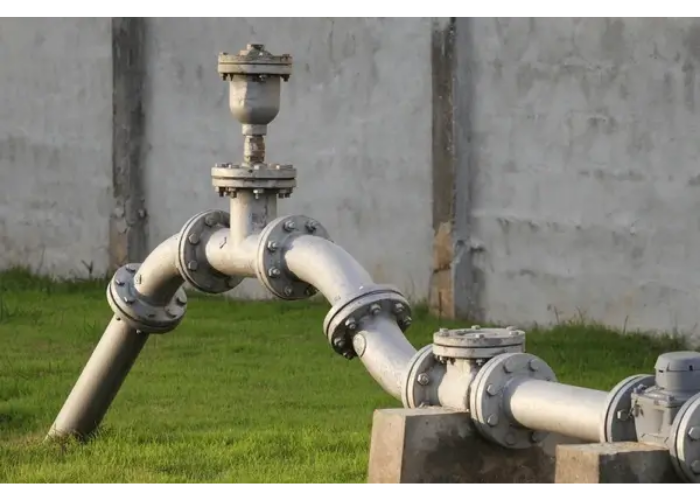
When I sat down with Hassan, we didn’t just talk theory. We unrolled his pipeline drawings—the P&IDs—and got to work. His immediate question was, “So where do they all go?” Having the best valves in the world doesn’t help if they are in the wrong spot. The placement is just as important as the valve type. You have to think like an air bubble. Where would you go to get trapped? The answer dictates your installation strategy. This isn’t guesswork; it’s a methodical plan.
Strategic Placement is Everything
To get rid of the air, you must put a valve at every single spot where it will collect or cause trouble. Following industry standards from groups like the American Water Works Association (AWWA) is the professional way to do it.
| Location | Reason for Installation | Recommended Valve Type |
|---|---|---|
| All High Points | Air is lighter than water and always rises to the highest point. This is the most important location for an air valve. | Combination or Air-Release |
| Long Horizontal Runs | On long “flat” sections, small bumps and slopes will trap air. Place a valve every 1,500-2,500 feet (500-800 meters). | Combination or Air-Release |
| Downstream of Pumps | Pumps churn the water, forcing dissolved air to form a large bubble right at the pump’s discharge. You must vent it there. | Combination or Air-Release |
| Before Control Valves/Meters | An air pocket hitting a delicate instrument like a flow meter will damage it or give bad readings. A valve upstream protects it. | Air-Release |
| Before a Downslope | Air gets trapped at the “shoulder” of a hill just before the pipe goes down. An air valve here is vital to prevent a blockage. | Combination or Air/Vacuum |
Looking at Hassan’s drawings, we marked every high point and every long, flat section. It looked like a lot of valves, but I explained that each one was cheap insurance. It was insurance against a future shutdown, a burst pipe, or a ridiculously high energy bill. Investing in proper air management during design is one of the smartest things you can do for the life of your pipeline.
Conclusion
Air relief valves are not optional; they are essential for your pipeline’s efficiency and safety. They automatically remove air, prevent damage, and cut energy costs, ensuring your system runs reliably.


 English
 Arabic
 Russian
 French
 Spanish