
Floating vs Trunnion Ball Valves: The Ultimate Industrial Guide
In the world of industrial flow control, choosing the right ball valve can make all the difference between seamless operations and costly downtime. If you’re an engineer, procurement specialist, or facility manager in manufacturing, oil and gas, or pipelines, this guide breaks down floating ball valves versus trunnion ball valves to help you select the best fit for your project. We’ll cover key differences, applications, and practical tips, answering your burning questions like “which valve handles high pressure better?” so you can optimize performance, cut maintenance headaches, and stay compliant with industry standards.
At its core, a floating ball valve relies on fluid pressure to create a seal with a free-floating ball, making it ideal for simpler, lower-pressure setups, while a trunnion ball valve anchors the ball to the stem and body for unmatched stability in extreme conditions.
What Are Floating and Trunnion Ball Valves? A Quick Overview
Ball valves are quarter-turn devices that use a perforated ball to control flow, offering reliable shutoff in everything from water lines to chemical processing. Floating and trunnion designs represent two fundamental types, each tailored to specific pressures and environments. Understanding these basics sets the stage for smarter selections in your operations.
Understanding the Floating Ball Valve
A floating ball valve features a ball that’s not fixed to the stem, allowing it to “float” freely within the valve body. This design leverages line pressure to press the ball against the downstream seat, forming a tight seal. It’s the go-to for straightforward applications where ease of installation matters most.
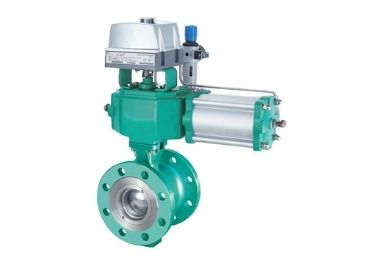
Think of it as the reliable workhorse for moderate flows: compact, lightweight, and straightforward to operate. In everyday setups, this simplicity translates to quicker field adjustments without specialized tools.
Trunnion Mounted Ball Valve: Built for Stability and High-Stakes Use

In contrast, a trunnion mounted ball valve secures the ball between upper and lower stems, or trunnions, which anchor it firmly to the valve body. This setup absorbs thrust from high pressures, preventing excessive wear on seats and stems. It’s engineered for scenarios where reliability under duress is non-negotiable.
Engineers often describe it as the “heavy-duty guardian” for pipelines, where the anchored mechanism ensures the ball stays centered, even as pressures surge.
Common Variants Like Metal Seated and Top Entry Ball Valves
Beyond the basics, variants like metal seated ball valves swap soft seats for durable metal-to-metal contact, boosting resistance to abrasion in slurry or high-temperature services. Top entry ball valves, meanwhile, allow assembly from the top, simplifying inline repairs without full disassembly.
Other options include stainless steel ball valves for corrosion-prone environments or subsea ball valves for offshore durability. These tweaks expand versatility, letting you match the valve to niche demands like chemical dosing or hydraulic systems.
Quick Summary: Floating ball valves shine in simplicity for general use, while trunnion designs and variants like metal seated options add robustness for specialized needs. This foundation helps you spot the right type early in your spec process.
Floating vs Trunnion Ball Valve: Breaking Down the Key Differences
When pitting floating against trunnion ball valves, the conversation quickly turns to how their structures handle real-world stresses. This section dives into the mechanics, arming you with the insights to evaluate options confidently.
Design and Components: Free-Floating Ball vs Anchored Mechanism
The heart of the difference lies in the ball’s mobility. In a floating ball valve, the ball drifts on line pressure, supported by a single stem and basic valve seats. This keeps the assembly lean, with fewer parts like bearings or spring-loaded seats.
Trunnion ball valves, however, incorporate an anchored ball mechanism with upper and lower stems, plus thrust bearings to manage loads. Quarter-turn operation remains similar, but the added supports make it bulkier yet far more resilient. For visual clarity:

| Component | Floating Ball Valve | Trunnion Ball Valve |
|---|---|---|
| Ball Attachment | Free-floating | Anchored via trunnions |
| Stem Setup | Single stem | Dual stems with bearings |
| Typical Size Range | Up to 2-4 inches | 4 inches and larger |
These design choices directly impact longevity in demanding flows.
Performance and Sealing: Torque, Leak Prevention, and Bidirectional Reliability
Performance edges emerge in operation. Floating valves require higher torque to overcome friction as the ball seats under pressure, but they excel in leak prevention for clean fluids. Sealing relies on upstream pressure pushing the ball downstream, which works well unidirectionally.
Trunnion designs offer bidirectional sealing through self-relieving seats, reducing trapped pressure and enhancing safety. Torque requirements drop significantly, easing actuator needs, while the setup minimizes leaks even in volatile media. In tests, this translates to tighter shutoffs over cycles.
How Pressure Ratings and Port Configurations Influence Choice
Pressure ratings further sharpen the divide: floating valves cap at around 1,000-3,000 psi for low to medium duties, while trunnions routinely hit 5,000-10,000 psi. Port configurations play in too—full port valves maintain unrestricted flow in both, but reduced port options in floating designs suit throttling.
Opt for full port in high-flow pipelines; reduced ports cut costs without sacrificing core function.
Quick Summary: Design-wise, floating valves prioritize ease, but trunnions dominate in sealing and torque for tougher jobs. Factor pressure and ports to align with your flow specs.
When to Choose Floating Ball Valves Over Trunnion
Not every project demands heavy artillery. Floating ball valves step up when simplicity and economy rule the day, particularly in less intense environments.

Best for Low- to Medium-Pressure Systems
These valves thrive in low to medium pressure systems, like water treatment plants or HVAC distributions, where flows stay under 1,000 psi. As flow control valves, they’re perfect for on-off duties in manufacturing lines, offering quick response without overkill. In a typical setup, you’d see them regulating air or mild chemicals, where the free-floating action ensures efficient, bubble-tight closure.
Advantages in Cost, Maintenance, and Simpler Flow Control
Cost stands out: initial purchase for floating ball valves often runs 30-50% less than trunnion equivalents, per industry ball valve guides. Maintenance? Simpler, with fewer components to service, leading to shorter downtimes. For flow control, their responsive design means precise quarter-turn adjustments, ideal for variable processes.
Pros include:
- Lower upfront and lifecycle costs
- Easier installation in tight spaces
- Proven reliability in non-critical paths
Quick Summary: Go floating for budget-friendly, low-pressure reliability—it’s the smart pick for routine industrial flow without the premium price tag.
Trunnion Ball Valves: Superior for High-Pressure Environments
For operations pushing limits, trunnion ball valves deliver where others falter, especially in high-stakes sectors like energy.
Excelling in High-Pressure Oil and Gas Pipelines
Trunnion ball valves dominate high-pressure applications, such as oil and gas pipelines, where they handle isolation under surges up to 10,000 psi. In Houston, the epicenter of U.S. energy with valves market projections nearing $19 billion nationally in 2025, these valves secure midstream transport, from refineries along the Gulf Coast to export terminals. Local operators favor them for compliance with API standards ball valves, ensuring safe flow in seismic or corrosive zones.
Key Benefits: Enhanced Durability and Safety Integration
Durability shines through metal-seated options that resist wear, extending service life in abrasive slurries. As emergency shutdown valves, they provide double block and bleed for rapid isolation. Integrating with gate valves or check valves in systems boosts overall redundancy.
Benefits at a glance:
- Superior thrust absorption for longevity
- Fire-safe certifications for risk mitigation
- Seamless ties to broader valve networks like butterfly or globe setups
Quick Summary: Trunnions are indispensable for high-pressure pipelines, offering durability and safety that protect assets in hubs like Houston.
Comparing Ball Valve Options: A Side-by-Side Guide
Synthesizing it all, this guide equips you to compare and decide, turning specs into strategy.

Factors to Consider: Pressure, Cost, and Industry Fit
Weigh pressure first: under 1,000 psi? Floating wins. Above? Trunnion. Cost favors floating for quick ROI, but trunnions pay off in high-duty cycles via reduced failures. Industry fit seals it—manufacturing leans floating; oil and gas, trunnion.
| Factor | Floating Preference | Trunnion Preference |
|---|---|---|
| Pressure | Low-Medium | High |
| Cost | Lower Initial | Higher but Durable |
| Fit | General Industrial | Pipelines/Energy |
Real-World Use Cases
In industrial valves for food processing, floating handles sanitary flows cleanly. Subsea ball valves, often trunnion-based, endure deep-water pressures in offshore rigs. A Houston refinery might mix both: floating for utility lines, trunnions for crude transport.
Quick Summary: Use this side-by-side to match valves to your project’s pressures and budget, ensuring fit from shop floor to seabed.
FAQs: Common Questions on Floating vs Trunnion Valves
- 1. What is the main difference between a floating ball valve and a trunnion ball valve?
- The primary distinction is mobility: floating valves let the ball shift with pressure for sealing in lighter duties, while trunnions anchor it for stability in high-pressure scenarios, reducing seat wear.
- 2. When should I use a floating ball valve instead of a trunnion mounted ball valve?
- Opt for floating in low- to medium-pressure systems under 1,000 psi, like water or air lines, where cost and simplicity outweigh the need for extreme durability.
- 3. Are trunnion ball valves better for high-pressure oil and gas pipelines?
- Yes, their anchored design excels at handling surges over 5,000 psi, making them the standard for pipeline isolation in oil and gas, as seen in 2025 market trends.
- 4. What’s the torque requirement difference in trunnion vs floating ball valves?
- Trunnions need 20-50% less torque thanks to bearings, easing automation, while floating relies more on manual force for seating.
Final Key Takeaways
- Match to Pressure: Floating for everyday low-medium duties; trunnion for high-stakes pipelines to ensure safety and efficiency.
- Balance Cost and Longevity: Save upfront with floating, invest in trunnion for extended ROI in demanding apps.
- Leverage Variants: Explore metal seated or top entry for tailored durability in your industry.
- Stay Local-Savvy: In energy hubs like Houston, prioritize API-compliant trunnions to align with regional standards and growth.
Floating ball valves offer simple, cost-effective sealing for low-pressure industrial flows, while trunnion ball valves provide anchored stability for high-pressure oil and gas pipelines, as projected in the $13.6 billion market by 2025.


 English
 Arabic
 Russian
 French
 Spanish