
Worried that your safety valves might not perform when needed most? An incorrect set pressure can lead to catastrophic failure, a risk no plant can afford.
**Vapor pressure is the force a liquid exerts as it tries to become a gas. A safety valve’s set pressure must be below the vessel’s maximum allowable working pressure (MAWP). Because vapor pressure is the primary force challenging this limit, it directly dictates the safe operating point for the valve.**
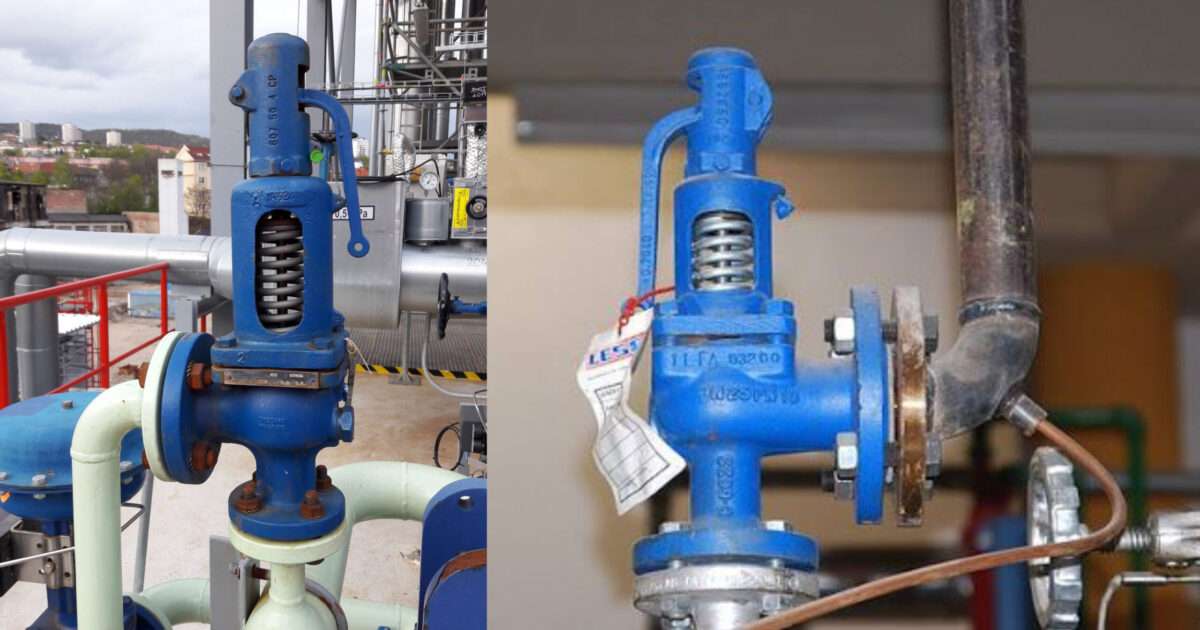
I’ve spent my entire life around valves, but the most critical lessons came from engineers like Hassan. He once shared a story about a near-miss incident at a facility early in his career. The root cause was a safety valve set without fully considering the chemical’s vapor pressure under upset conditions. It was a powerful reminder that a safety valve isn’t just a piece of hardware; it’s the last line of defense. Hassan’s experience taught him to treat vapor pressure not as a theoretical number, but as an active, powerful force that must be respected. This principle is fundamental to ensuring the safety of every person in a chemical plant.
## How Does Operating Temperature Influence a Safety Valve’s Set Pressure?
Are you setting valve pressures based on standard conditions? This common mistake ignores process dynamics, creating a dangerous gap between your safety settings and real-world operational risks.
**As temperature increases, molecules move faster, and more liquid turns into vapor, raising the vapor pressure. A safety valve’s set pressure must account for the highest possible temperature in a process, as this will create the highest pressure. Ignoring this can lead to premature or delayed valve activation.**
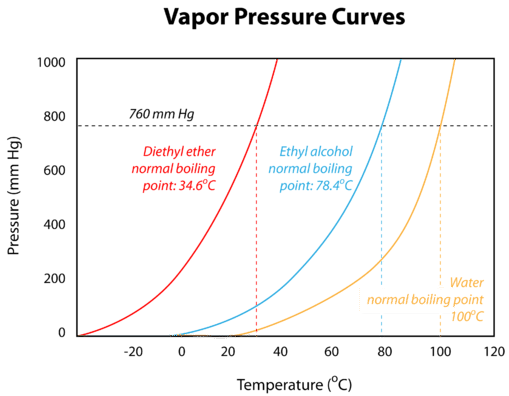
I always tell my clients to think of temperature and pressure as two sides of the same coin. You cannot change one without affecting the other. When I discuss applications with engineers like Hassan, the first thing we review is the full range of operating temperatures, including potential fault scenarios like a cooling system failure or an external fire. These “what-if” situations are where safety systems earn their keep. A valve set for a normal operating temperature of 80°C might be useless if a process upset could spike the temperature to 120°C, causing the vapor pressure to exceed the vessel’s design limit before the valve even opens. We must design for the worst-case scenario. This means identifying the maximum credible temperature and ensuring the safety valve is set to open well before the pressure at that temperature becomes a threat.
## What Is the Role of MAWP in Determining Set Pressure?
Confused about where to set your relief valve pressure? Setting it too high risks vessel rupture, while setting it too low causes unnecessary process interruptions and product loss.
**MAWP, or Maximum Allowable Working Pressure, is the highest pressure the weakest point of a vessel is designed to handle. The safety valve’s set pressure must be at or below the MAWP. This ensures the valve opens to relieve pressure before the vessel itself is compromised.**
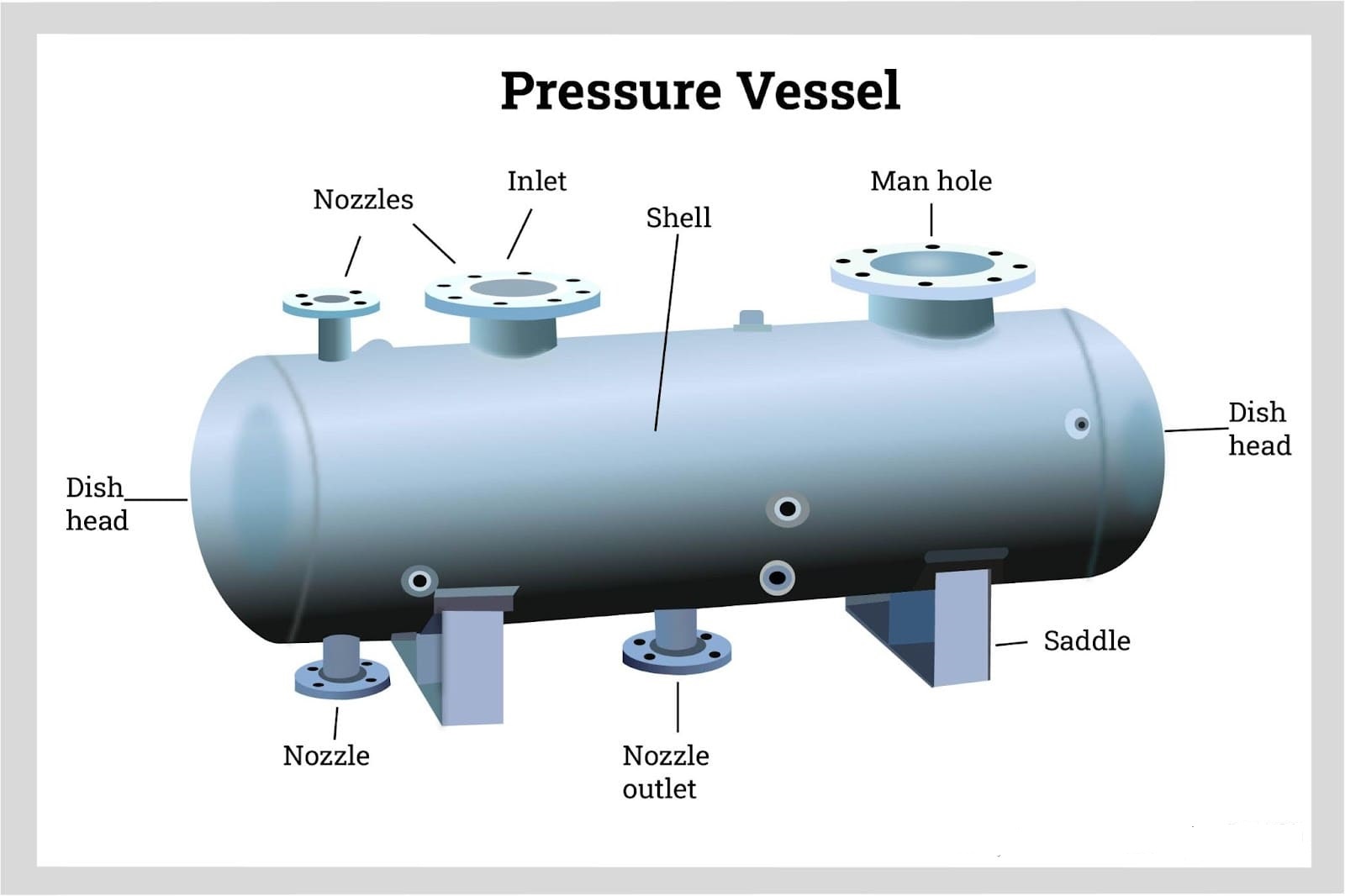
My father, who started our valve factory, used to say, “The tank tells you its limit; your job is to listen.” That limit is the MAWP, a number stamped right onto the vessel’s nameplate. It’s a non-negotiable ceiling calculated by the vessel’s designers based on material thickness, construction quality, and temperature rating. Hassan and his team of engineers treat the MAWP as sacred. The entire pressure safety system is built around it. The safety valve is the guardian of this limit. According to most codes, like the ASME Boiler and Pressure Vessel Code, the primary relief valve for a single-valve installation must be set at a pressure no higher than the MAWP. This creates a clear, unambiguous rule: the valve must act before the vessel’s structural integrity is at risk. It’s a simple concept, but it’s the absolute foundation of plant safety.
| Component | Definition | Role in Safety |
| :— | :— | :— |
| **Vapor Pressure** | The pressure exerted by a vapor in equilibrium with its liquid at a given temperature. | The active force that must be contained. |
| **Set Pressure** | The pressure at which a safety valve begins to open. | The trigger point for the safety system. Must be ≤ MAWP. |
| **MAWP** | Maximum Allowable Working Pressure; the vessel’s design limit. | The absolute ceiling that cannot be exceeded. |
## Why Can’t We Use a ‘One-Size-Fits-All’ Set Pressure for a Chemical?
Do you reuse safety valve settings from one process to another? This practice is incredibly risky, as it fails to account for unique conditions that can drastically alter pressure behavior.
**The vapor pressure of a chemical is highly sensitive to its purity, the presence of other substances (mixtures), and specific process conditions. A generic setting is unsafe. Each application requires a unique analysis to determine the correct set pressure for its specific operating environment.**
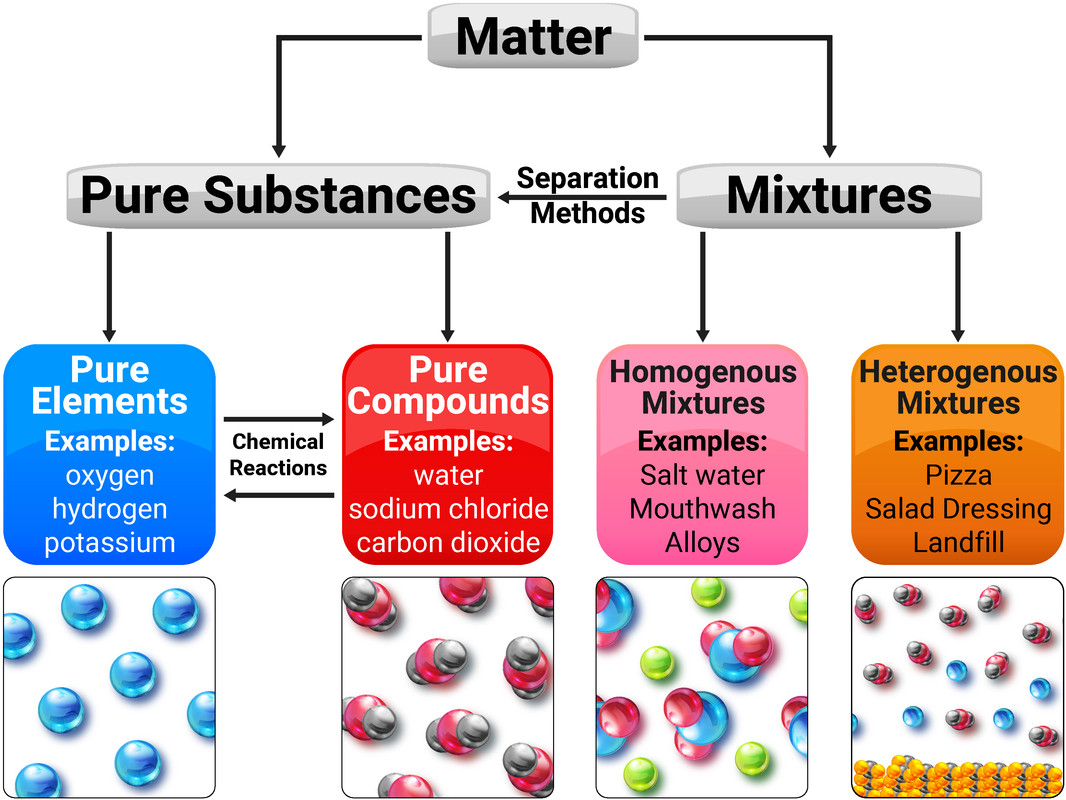
This is a lesson I learned firsthand when a client had recurring issues with a relief valve popping open unnecessarily. They were using a standard set pressure for pure ammonia, but their process actually contained a mixture with traces of water. Even small impurities change a fluid’s boiling point and, therefore, its vapor pressure curve. Hassan would never approve such a design. He insists that his team analyze the specific fluid composition for every single relief stream. A process might involve catalysts, byproducts, or dissolved gases that aren’t in the “textbook” version of the chemical. Each of these components contributes to the total pressure in the vessel. Therefore, the safety valve setting must be calculated based on the reality of the process fluid, not an idealized version. We must always ask: what is actually inside the vessel during normal operation, and more importantly, during an upset? The answer dictates the only safe and correct set pressure.
## Conclusion
In short, vapor pressure is the load, and the MAWP is the limit. The safety valve’s set pressure is the critical link that ensures the load never breaks that limit.


 English
 Arabic
 Russian
 French
 Spanish