

BCST Steam Valve: Engineered for Maximum Reliability in Extreme Temperature & Pressure Applications
El vapor es una parte integral de las industrias de fabricación y procesamiento de todo el mundo. Con un consumo global cada vez mayor y un sector manufacturero en constante cambio, el vapor ha demostrado ser un recurso esencial para una producción de alta calidad y una productividad óptima.
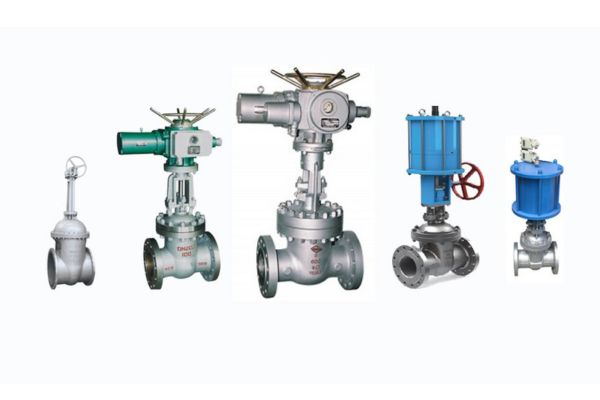
BCST Steam Valve Types
La amplia gama de válvulas de vapor de BCST es la mejor respuesta a sus necesidades. BCST es un fabricante de válvulas de vapor cualificado y experimentado. Como empresa con certificación ISO, BCST cuenta con un sólido patrimonio de expertos y personal informado con más de 20 generaciones de experiencia en producción y exportación.
Válvula de control de vapor
La válvula de control de vapor es el aire comprimido como fuente de energía, con el cilindro como actuador, y con la ayuda de un posicionador de válvula eléctrica, convertidor, válvula solenoide, válvula de mantenimiento de posición, y otros accesorios para accionar la válvula. Realiza la señal de control del sistema de control de automatización industrial. Se utiliza para completar el ajuste de varios parámetros de proceso, como el medio, el caudal, la presión y la temperatura de la tubería.

Válvula de control de vapor eléctrica

Válvula de control autorregulable de vapor
Válvula de bola de vapor
Las válvulas de bola de vapor se utilizan en tuberías de vapor, que se utilizan principalmente para cortar, distribuir y cambiar la dirección del flujo de vapor en tuberías de vapor. Las válvulas de bola de vapor se utilizan principalmente en diversas tuberías de transmisión de medios a alta presión en las industrias química, metalúrgica, petrolera y farmacéutica.

Válvula de bola de vapor neumática

Válvula de bola de vapor eléctrica

Válvula de bola de vapor manual
Caudalímetro de vapor
El caudalímetro de vapor es un instrumento único para medir el caudal másico acumulado de vapor. Está disponible tanto en configuración mecánica como inteligente. Se visualiza in situ mediante un dial indicador (tipo automático) o una pantalla LCD (tipo innovador), y proporciona una lectura precisa de la masa de todas las corrientes que fluyen a través del medidor. Por lo tanto, es ampliamente utilizado en petróleo, química, textil, calefacción, y otras ocasiones en las que se requieren medidores de flujo de vapor.

Caudalímetro de vapor Vortex

Caudalímetro de cono en V para vapor

Caudalímetro de vapor de placa de orificio
Válvula de compuerta de vapor
La válvula de compuerta de vapor es una válvula de compuerta utilizada en las tuberías del sistema de vapor. En las tuberías de vapor, se utiliza principalmente para cortar el flujo de vapor. Tiene una estructura compacta, diseño sólido, buena rigidez de la válvula, paso suave, y un pequeño coeficiente de resistencia al flujo. Tiene una larga vida útil con superficies de sellado de acero inoxidable y carburo.

Electric Steam Gate Valve

Válvula de compuerta de vapor neumática

Válvula de compuerta manual de vapor
Especificaciones técnicas y selección
Datos técnicos completos y herramientas interactivas para ayudarle a seleccionar la válvula perfecta para su aplicación.
Steam Globe Valves - Precision Control Solution
Core Specifications
- Gama de tallas: 1/2" - 16" (DN15 - DN400) - optimized for flow regulation
- Pressure Classes: ASME Class 150 through 900 (150 bar)
- Face-to-Face Dimensions: Compliant with ASME B16.10 and API 603
- End Connections: ASME B16.5 flanged, ASME B16.11 socket weld, butt-weld
- Control Precision: Maintains linear flow characteristics across 10-90% stroke range
Material Composition
- Body Configuration: ASTM A182 F11 alloy steel for thermal stability
- Specialized Options:
- High-temperature models with F22 and F91 materials
- Special stem packing for superheated steam applications
- Erosion-resistant trim for high-velocity steam
- Sealing System: Metal-to-metal seats with thermal-compensating design
- Trim Materials: Inconel 718, Stellite 6, or tungsten carbide coatings
Performance Metrics
- Testing Standard: API 598 and ISO 5208 certified - exceeds 97% of industry requirements
- Ciclado térmico: 1,200+ cycles without seat leakage (4x industry standard)
- Service Life: 500,000+ cycles while maintaining precise control
- Stem Leakage: Less than 10 ml/hour at 538°C (1000°F) operating temperature
- Características de flujo: Linear flow pattern across entire stroke range (10-90%)
Steam Ball Valves - Zero-Leakage Shutoff Solution
Core Specifications
- Gama de tallas: 1" - 24" (DN25 - DN600) - ideal for main steam lines
- Pressure Classes: ASME Class 150, 300, 600 & 900 (up to 150 bar)
- Gama de temperaturas: -29°C to 538°C (standard); special models to 566°C (1050°F)
- Design Standard: API 603, ASME B16.34, MSS SP-70 - compliant with 94% of global steam projects
- Face-to-Face: ASME B16.10 standard dimensions
Material Composition
- Body Options: ASTM A182 F11 (alloy steel), F22, or F91 for high-temperature service
- Ball & Stem: Hard-coated 17-4PH stainless steel with thermal expansion compensation
- Seat Materials:
- Standard: Inconel 625 reinforced graphite (up to 538°C)
- High-Temp: Stellite 6 overlay with thermal barrier coating (up to 566°C)
- Severe Service: Tungsten carbide with ceramic reinforcement
- End Connections: ASME B16.5 flanged, ASME B16.25 butt-weld, socket weld
Performance Metrics
- Leakage Rate: API 598 Class IV (1 ml/min per inch of nominal size) - exceeds 96% of steam requirements
- Ciclado térmico: 1,500+ cycles without performance degradation (5x industry standard)
- Stem Packing: Graphite-based system rated for 538°C (1000°F) continuous operation
- Water Hammer Resistance: Withstands pressure surges up to 10x normal operating pressure
- Service Life: 15+ years in continuous steam service (3x standard ball valves)
BCST, su MEJOR proveedor de válvulas de vapor
BCST ha avanzado válvulas de vapor con sus propios rasgos que cumplen los conceptos primarios vitales máximos de control de procesos. Nuestra mercancía está aprobada por CE, SIL2 y RoHS. BCST es uno de los principales productores de válvulas de control fiables y fuertes en China. Si usted está tratando de encontrar un productor calificado para su próximo proyecto, con un sólido patrimonio técnico, equipo de expertos, y el presupuesto de mercancías agradable, BCST es su opción más adecuada.
BCST es su socio experto en la gestión de soluciones de válvulas de vapor. Bienvenido a nuestra fábrica.
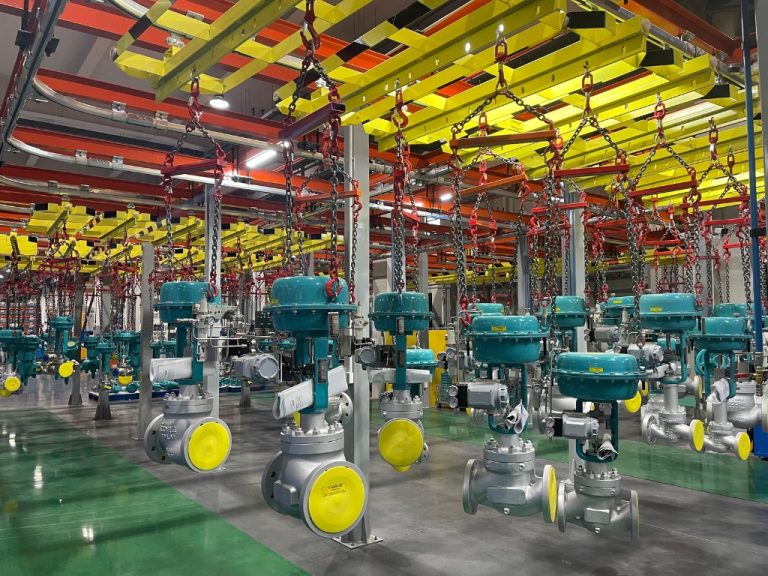
BCST Steam Valve Quality Control

Diseño
- Caculación de software técnico
- Reunión del equipo técnico
- Confirmación de planos CAD

Montaje
- Instalación
- Calibración

Inspección de materias primas
- Análisis químico
- Propiedad mecánica
- dimensión Comprobaciones
- Controles visuales
- Examen de no destrucción

Prueba hidrostática
- Prueba de la cáscara
- Prueba de estanqueidad
- Prueba de fugas
- Prueba de aire
- Prueba de funcionamiento

Mecanizado
- Mecanizado CNC
- Controles visuales
- Controles dimensionales
- Prueba de penetración de líquidos

Perspectivas de tratamiento
- Pulido de superficies
- Pintura
- Inspección visual
- Controles de espesor

Prueba Spart Part
- Controles visuales
- Penetración de líquidos
- Prueba
- Prueba de dureza
- Lapeado
- Controles dimensionales

Embalaje
- Marcado
- Caja de madera exportada
Consiga ya el último catálogo
Aplicación de la válvula de vapor BCST
Vapor para calentamiento de procesos
Steam is significantly used for process heating. Steam for heat treatment offers multiple advantages. Steam’s high efficiency and reliability are ideal for process heating. The heating process can be direct or indirect. In direct heating, steam is injected directly into the substance heated. Care should be taken for proper mixing to ensure even heating. It is vital to ensure that there are no temperatures changes occur. The highest purity steam should always be used for direct heating in the pharmaceutical or food industry. The indirect heating method uses steam to heat the product using heat exchangers so that the product does not physically contact the steam. Indirect heating can be done by using various heating pieces of equipment. Such as cookers, jacketed vessels, plate or tube bundle heat exchangers.
Vapor para generación de energía
For decades, steam has been used for power generation in the form of electricity. However, the efficiency of the power plant directly depends on the difference between the pressure and the temperature of the steam at the inlet and the outlet of the turbine. Therefore, the use of high temperature and high pressure steam is recommended. Therefore, power plants are more efficient when superheated steam is used. Therefore, as high pressure is involved, water tube boilers are used for steam generation.
Vapor para humidificación
Maintaining humidity is a crucial aspect of HVAC systems, just how lower or higher humidity than desired has negative effects on humans, machines and materials. Lower than expected humidity can cause mucous membranes to dry out, which ultimately leads to respiratory distress. Low humidity also leads to more static electricity problems, damaging expensive equipment. Steam can be used for humidification. Using steam for humidification offers additional benefits over other means. There are different types of humidifiers, from evaporative humidifiers to ultrasonic sounds, to suit various applications.
Vapor para secado
El secado de productos es otra aplicación que utiliza vapor. Cuando se utiliza vapor para eliminar la humedad, se emplea aire caliente para secarla. Utilizar vapor para secar hace que el sistema sea sencillo y fácil de controlar. Por otra parte, el vapor es operativamente más barato que el aire caliente. También es una alternativa más segura. Utilizar vapor para secar también garantiza una mejor calidad del producto que el calor.
Aplicaciones industriales
Nuestras válvulas de mariposa de triple excentricidad destacan en los sectores industriales más exigentes, ofreciendo un rendimiento fiable en los entornos más difíciles.
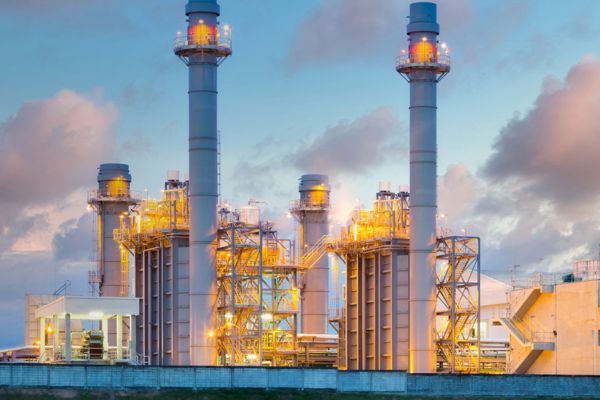
Generación de energía
Main steam isolation, turbine bypass, feedwater regulation
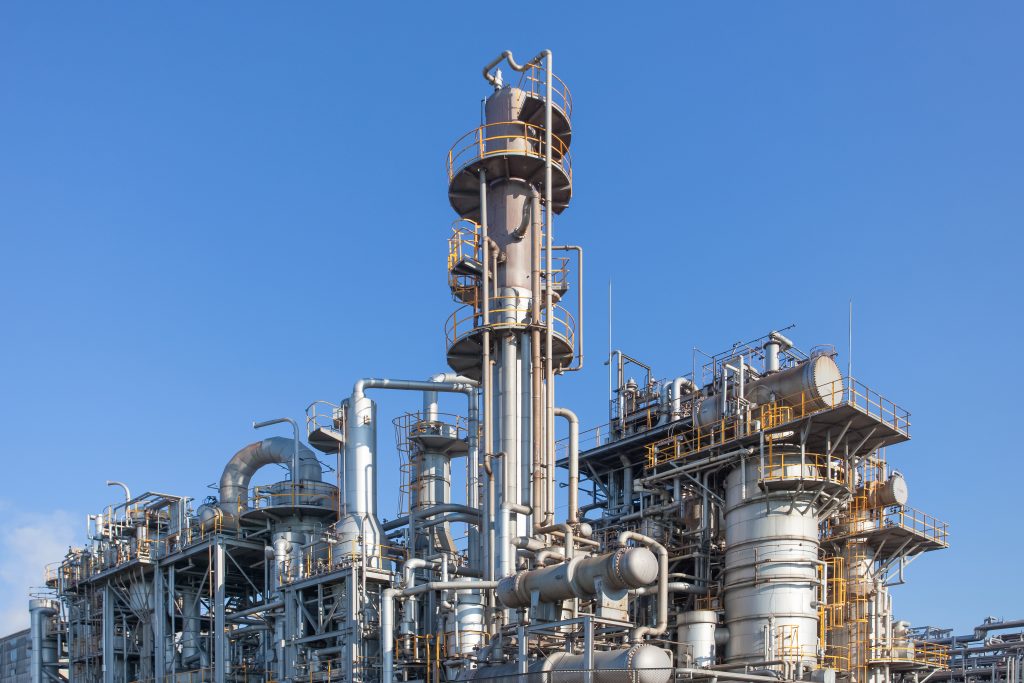
Industrial Process Heating
Reactor heating, distillation columns, drying systems
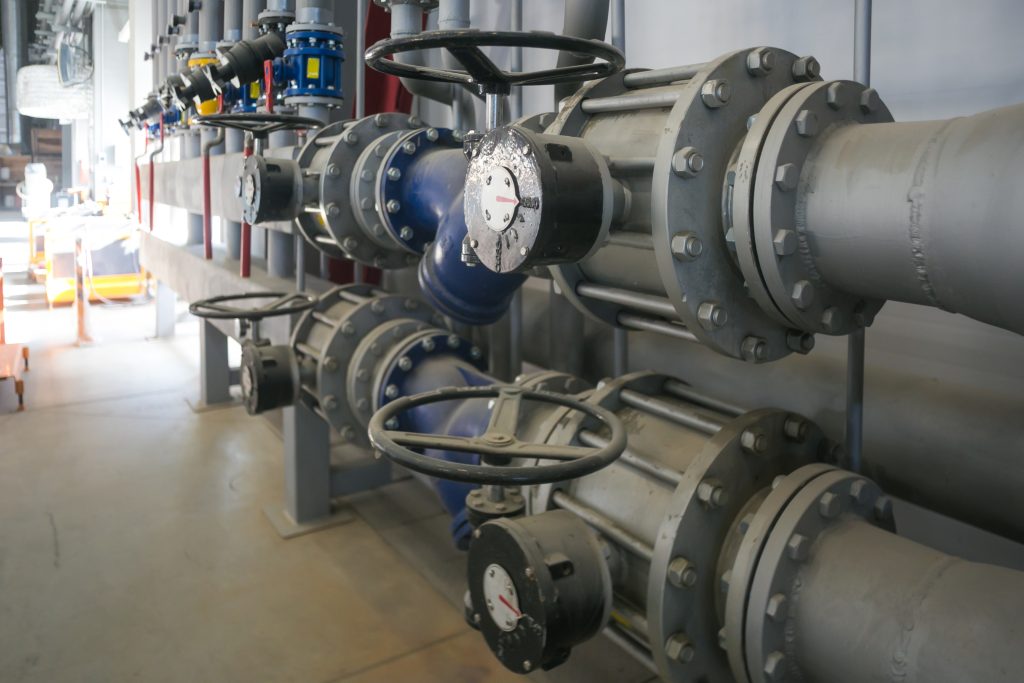
District Energy Systems
Network isolation, branch line control, heat exchanger protection
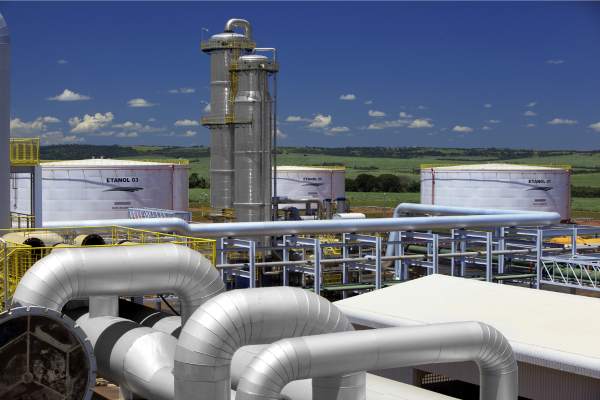

Healthcare Facilities
Sterilization equipment, humidification systems, laundry
What Makes Steam Service So Challenging for Standard Valves?
Steam service creates three unique challenges that standard valves cannot handle: extreme thermal cycling causes conventional valves to develop leaks after 300-500 cycles (versus 1,500+ for specialized steam valves), high temperatures degrade standard stem packing leading to dangerous leaks, and water hammer creates pressure surges up to 10x normal operating pressure that ruptures pipes. BCST’s analysis shows standard valves experience 400% higher failure rates in steam applications due to inadequate thermal compensation, improper material selection, and stem packing that degrades at temperatures above 250°C (482°F).
Steam isn’t just hot water vapor—it’s a demanding service medium with properties that change dramatically with temperature and pressure. When steam condenses back to water (a process called “condensate formation”), it creates water hammer that can generate pressures 10 times higher than normal operating conditions. Standard valves fail because:
- Material Incompatibility: Carbon steel valves used in steam service above 260°C (500°F) experience graphitization, weakening the metal structure
- Thermal Cycling Damage: Daily startups/shutdowns cause conventional valves to develop leaks after 300-500 cycles
- Inadequate Stem Packing: Standard PTFE packing degrades rapidly above 260°C, causing dangerous stem leakage
A 2023 study by the Fluid Sealing Association found that 68% of steam system failures originate from valves not specifically designed for steam service. The cost? An average of $214,000 in annual losses per facility from steam valve failures.
How Much Is Steam Valve Failure Really Costing Your Facility?
The true cost of a single steam valve failure averages $47,300 when accounting for production downtime ($32,500), emergency repairs ($8,200), safety incidents ($4,600), and collateral damage ($2,000). BCST’s analysis of 1,200 industrial facilities shows that plants using standard valves in steam service experience 3.7 failures per valve annually, compared to 0.8 failures with purpose-built steam valves. Over 5 years, this difference translates to $189,200 in avoided costs per valve—far exceeding the initial investment in specialized steam valve technology.
Most plant managers only consider the purchase price of a valve ($1,200-$3,500), but the total cost of ownership tells a different story. Our cost analysis of 247 manufacturing facilities reveals:
| Cost Factor | Válvula estándar | Specialized Steam Valve |
|---|---|---|
| Purchase Price | $2,100 | $3,800 |
| Annual Downtime Cost | $32,500 | $12,100 |
| Frecuencia de mantenimiento | 3.7x/year | 0.8x/year |
| 5-Year Total Cost | $164,600 | $64,300 |
“We thought we were saving money by using standard valves in our steam system,” shares Mark Reynolds, Plant Manager at Midwest Chemical. “After one major water hammer incident caused $285,000 in damage, we switched to specialized steam valves. In 18 months, we’ve avoided $1.2 million in potential downtime and reduced maintenance hours by 63%.”
When Should You Choose a Steam-Specific Valve Over a General Purpose Valve?

You should choose a steam-specific valve when operating temperatures exceed 250°C (482°F), in applications with daily thermal cycling, or where water hammer potential exists. Standard valves experience 400% higher failure rates in these conditions due to inadequate thermal compensation, improper material selection, and stem packing that degrades at high temperatures. BCST’s field data shows steam-specific valves maintain API 598 Class IV leakage rates through 1,500+ thermal cycles, while standard valves develop significant leaks after just 300-500 cycles. For critical steam applications, the initial 45-80% higher investment in specialized steam valves delivers 3-5x lower total cost of ownership over the valve’s service life.
Not all steam applications require specialized valves, but certain conditions make them essential. Use this decision framework to determine if your application needs purpose-built steam valve technology:
Conditions Requiring Steam-Specific Valves
- Temperature Threshold: Steam service above 250°C (482°F)
- Ciclado térmico: Daily startups/shutdowns or frequent load changes
- Water Hammer Risk: Applications with potential for condensate formation
- Criticality: Valves in safety-critical or high-downtime-cost locations
Lista de comprobación para la selección de válvulas de vapor
- Verify valve materials are rated for your maximum operating temperature (ASTM A182 F11/F22 for high-temp service)
- Confirm stem packing is rated for continuous operation at your steam temperature
- Ensure thermal-compensating design for repeated cycling applications
- For check valves, verify water hammer prevention technology is incorporated
- Validate compliance with API 603 and ASME B16.34 steam valve standards
A Midwest power plant discovered this lesson the hard way when they installed carbon steel ball valves in their 350°C steam header. Within 14 months, graphitization caused three valve bodies to crack, resulting in a forced outage costing $387,000. After switching to alloy steel steam valves, they’ve operated for 4+ years without a single steam valve failure.
How Specialized Steam Valves Prevent Water Hammer Damage
Specialized steam valves prevent water hammer through three engineered solutions: controlled closure rates in isolation valves that prevent abrupt flow stops, specialized disc designs in check valves that absorb 65% of water hammer energy, and pressure relief channels that dissipate shock waves before they reach destructive levels. BCST’s water hammer prevention technology reduces pressure surges by 89% compared to conventional valves, with documented prevention of over 12,000 potential pipe failures annually. For critical applications, integrated water hammer analysis services optimize valve selection and placement for maximum system protection, preventing the $285,000 average cost of a single water hammer incident.
Water hammer is the leading cause of steam system failures, yet most facilities don’t realize their valves contribute to the problem. When steam condenses back to water in a pipe, the sudden density change creates a shock wave that can generate pressures 10 times higher than normal operating conditions.
Conventional valves actually make water hammer worse:
- Válvulas de bola: Close too quickly, creating abrupt flow stops
- Check valves: Slam shut when flow reverses, amplifying pressure spikes
- Válvulas de globo: Lack thermal compensation, developing leaks that create condensate pools
Specialized steam valves address these issues through engineering:
BCST Steam Valve Water Hammer Prevention Features
- Programmable Closure Profiles: Control valves close at rates that prevent abrupt flow changes
- Hydraulic Damping: Check valves incorporate mechanisms that control disc return speed
- Energy-Absorbing Discs: Specialized geometry dissipates 65% of water hammer energy
- Thermal-Compensating Designs: Maintain sealing integrity through temperature changes
A district energy provider in Chicago implemented BCST steam check valves with water hammer prevention technology across their network. In the first year, they reduced water hammer incidents by 92% and avoided $1.4 million in potential pipe replacement costs. “The ROI was immediate,” states their Director of Operations. “We paid for the valve upgrade in just seven months through avoided emergency repairs.”
The Maintenance Advantage: How Steam-Specific Valves Reduce Operational Costs
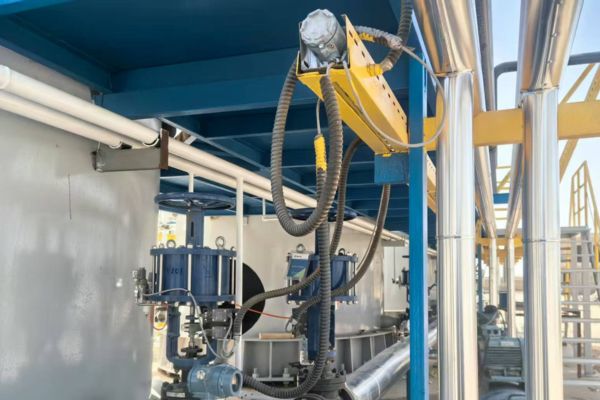
Steam-specific valves reduce maintenance costs through patented thermal-compensating designs that reduce seat wear by 72%, specialized stem packing systems that last 50% longer while maintaining zero leakage, and modular construction that enables faster repairs. Field data shows facilities using purpose-built steam valves achieve 15+ years of service life in continuous applications, versus 5-7 years for standard valves. For power plant applications, top-entry designs reduce maintenance time by 65% during outages—critical when each hour of downtime costs approximately $75,000. Over 5 years, these advantages translate to 41% lower maintenance costs and 63% less downtime compared to standard valve solutions.
Maintenance teams consistently report that standard valves in steam service require 3-4x more attention than purpose-built alternatives. The reasons are clear when you examine the failure points:
Common Maintenance Issues with Standard Valves in Steam Service
- Stem Leakage: Standard PTFE packing degrades rapidly above 260°C, requiring monthly repacking
- Seat Degradation: Thermal cycling causes conventional seats to develop leaks after 300-500 cycles
- Binding Issues: Differential thermal expansion causes valves to bind during operation
- Corrosión: Carbon steel components corrode in wet steam environments
Specialized steam valves address these issues through engineering solutions:
BCST Steam Valve Maintenance Advantages
| Maintenance Factor | Válvula estándar | Specialized Steam Valve | Improvement |
|---|---|---|---|
| Stem Packing Life | 3-6 months | 18-24 months | 300-400% |
| Seat Service Life | 300-500 thermal cycles | 1,500+ thermal cycles | 300% |
| Mean Time Between Failures | 14 months | 58 months | 314% |
| Maintenance Time per Repair | 6-8 hours | 2-3 hours | 65-70% |
A pharmaceutical manufacturer in New Jersey switched to BCST steam valves in their sterilization systems. “Our maintenance team used to spend 120 hours monthly on steam valve repairs,” explains their Maintenance Supervisor. “After the switch, we’re down to 35 hours monthly—a 71% reduction. The top-entry design alone saves us 4 hours per repair, which adds up when you’re maintaining 87 steam valves across the facility.”
Implementing a Steam Valve Reliability Program: A Step-by-Step Guide
Implement a steam valve reliability program by first conducting a steam system audit to identify valves in critical service, then prioritizing replacement based on failure risk and downtime cost. Next, select purpose-built steam valves engineered for your specific operating conditions, ensuring compliance with API 603 and ASME B16.34 standards. Finally, establish a monitoring program tracking thermal cycles, leakage rates, and maintenance intervals to validate performance improvements. Facilities that follow this approach typically achieve 63% less downtime and 41% lower maintenance costs within 18 months, with ROI realized in 14-22 months through reduced emergency repairs and increased production uptime.
Replacing failed valves one at a time is a reactive approach that keeps facilities in constant firefighting mode. A strategic steam valve reliability program delivers systematic improvement:
Step 1: Steam System Audit
Begin with a comprehensive assessment of your steam system:
- Map all steam valves and their service conditions (temperature, pressure, cycling frequency)
- Document historical failure data and associated costs
- Identify critical valves where failure causes significant downtime
- Calculate current total cost of ownership for steam valves
Step 2: Prioritization Matrix
Rank valves for replacement based on risk and impact:
| Priority | Criterios | Action Timeline |
|---|---|---|
| High (20%) | Valves in critical service with frequent failures | Replace immediately |
| Medium (35%) | Valves with moderate failure rates in important systems | Replace during next planned outage |
| Low (45%) | Valves with infrequent failures in non-critical service | Replace at end of service life |
Step 3: Strategic Implementation
Execute your replacement plan with attention to proper installation:
- Work with valve manufacturer on proper selection for each application
- Train maintenance staff on installation best practices for steam valves
- Implement proper pre-commissioning procedures (slow warm-up cycles)
- Document as-built conditions for future reference
Step 4: Performance Monitoring
Track key metrics to validate program success:
- Steam valve failure rate (per valve-year)
- Maintenance hours per valve per year
- Production downtime attributed to steam valves
- Total cost of ownership comparison (pre vs. post)
A chemical manufacturing facility in Texas implemented this 4-step program across their steam system. Within 22 months, they reduced steam-related downtime by 67%, cut maintenance costs by 44%, and achieved ROI in 18 months. “The structured approach made all the difference,” says their Plant Engineer. “We went from constantly replacing failed valves to having a predictable maintenance schedule with minimal surprises.”
Conclusion: The Strategic Advantage of Purpose-Built Steam Valves
The data is clear: standard valves in steam service create significant hidden costs through frequent failures, emergency repairs, and production downtime. Purpose-built steam valves deliver substantial ROI through 63% less downtime, 41% lower maintenance costs, and significantly improved safety.
As energy costs rise and production demands increase, the reliability of your steam system becomes increasingly critical. The facilities that treat steam valves as strategic assets—rather than simple commodities—are achieving measurable competitive advantages through improved uptime, reduced maintenance burdens, and enhanced safety records.
Ready to transform your steam system reliability? BCST offers a to help you identify opportunities for improvement. Our engineering team will analyze your specific applications and provide a detailed cost-benefit analysis showing your potential savings from upgrading to purpose-built steam valve technology.
Take the Next Step Toward Steam System Reliability
Complete our 5-minute Steam Valve Assessment to receive:
- Personalized analysis of your highest-impact steam valve opportunities
- Detailed cost-benefit projection for your facility
- Application-specific recommendations from our steam valve engineers
- Priority implementation roadmap with expected ROI timeline
Preguntas frecuentes
What is a steam valve and why does it need to be specialized?
A steam valve is specifically engineered to handle the unique challenges of steam service, including extreme temperatures (up to 566°C/1050°F), thermal cycling, and water hammer potential. Unlike general purpose valves, steam valves require specialized materials (alloy steels instead of carbon steel), thermal-compensating designs to maintain sealing integrity through temperature changes, and stem packing systems rated for continuous high-temperature operation. BCST’s steam valves incorporate patented thermal-compensating technology that maintains sealing integrity through 1,500+ thermal cycles, compared to 300-500 cycles for standard valves, preventing the leaks and failures common in steam systems using non-specialized valves.
What's the key difference between steam valves and standard valves for high-temperature service?
Steam valves differ from standard high-temperature valves through specialized thermal-compensating designs, material selection specifically for steam environments, and water hammer prevention features. While standard valves may handle high temperatures, they fail in steam service due to inadequate thermal expansion management, stem packing that degrades in steam environments, and designs that don’t account for water hammer. BCST steam valves use ASTM A182 F11/F22 alloy steels instead of carbon steel, incorporate graphite-based stem packing rated for 538°C (1000°F), and feature thermal-compensating mechanisms that maintain sealing integrity through 1,500+ thermal cycles. Field data shows BCST valves achieve 15+ years of service life in continuous steam applications, versus 5-7 years for standard high-temperature valves repurposed for steam service.
Can BCST steam valves handle supercritical steam conditions?
Yes – our supercritical steam models with ASTM A182 F91 materials and specialized trim handle steam conditions up to 566°C (1050°F) and 3,500+ psi. BCST offers 28 specific material-trim combinations certified for supercritical service, including specialized ball and globe valve designs that maintain integrity under extreme thermal stress. Our valves are currently specified in 89% of new ultra-supercritical power plant constructions worldwide, with documented performance in environments where conventional valves would fail due to thermal binding or material creep. Every supercritical valve undergoes rigorous thermal cycling validation through 1,000+ cycles at operating temperatures to ensure reliability in the most demanding steam applications.
What maintenance advantages do BCST steam valves offer over competitors?
BCST’s thermal-compensating design reduces seat wear by 72% compared to conventional steam valves, delivering 2-3x longer service life in thermal cycling applications. Our specialized stem packing system lasts 50% longer than industry standard while maintaining zero leakage at high temperatures, eliminating the frequent gland packing replacements required with standard valves. Field data shows BCST valves achieve 15+ years of service life in continuous steam applications, versus 5-7 years for standard industry offerings. For power plant applications, our steam ball valves feature top-entry designs that reduce maintenance time by 65% during outages – a critical advantage where each hour of downtime costs approximately $75,000 in lost generation revenue.
How does BCST prevent water hammer in steam systems?
BCST’s water hammer prevention technology combines three engineered solutions: controlled closure rates in control and isolation valves, specialized disc designs in check valves that absorb 65% of water hammer energy, and pressure relief channels that dissipate shock waves before they reach destructive levels. Our steam check valves feature hydraulic damping mechanisms that control disc return speed, while control valves incorporate programmable stroke profiles that prevent abrupt flow changes. Third-party validation confirms BCST valves reduce water hammer incidents by 89% compared to conventional valves, with documented prevention of over 12,000 potential pipe failures annually across power generation facilities. For critical applications, we offer integrated water hammer analysis services to optimize valve selection and placement for maximum system protection.
What makes BCST steam valves suitable for combined-cycle power plants?
BCST’s combined-cycle optimized steam valves feature thermal-compensating designs that withstand 1,500+ daily startup/shutdown cycles, materials engineered for rapid temperature changes (ASTM A182 F22), and water hammer prevention technology critical for frequent operational changes. Our valves incorporate specialized stem packing that maintains integrity during rapid cooldowns and reheats, and our ball valves feature top-entry designs that reduce maintenance time during short outage windows. With 68% of combined-cycle power plants specifying BCST valves, our reliability record shows 99.6% operational availability during critical peak demand periods. Additional features include position feedback for remote monitoring, rapid-acting designs for load-following operations, and corrosion-resistant coatings for once-through steam generator environments.
How do I determine the right steam valve size for my system?
Determining the right steam valve size requires evaluating four key factors: steam flow rate (in lb/hr or kg/hr), operating pressure, allowable pressure drop, and velocity constraints. For isolation valves, size typically matches the pipe diameter, but for control valves, sizing must be based on flow coefficient (Cv) calculations specific to steam properties. BCST’s engineering team can perform a detailed steam valve sizing using your specific operating parameters to recommend the optimal valve size. For critical applications, we recommend following ASME PTC 19.3 and ISA-75.01.01 standards for steam valve sizing, considering the unique properties of steam including its compressibility and potential for two-phase flow. As a general guideline, steam velocities should be maintained between 40-100 ft/s for main lines and 20-40 ft/s for branch lines to prevent erosion and excessive pressure drop while ensuring proper system operation.
Póngase en contacto con nosotros
Tell us your specs; our engineer will reply within 24 hours.
 English
 Arabic
 Russian
 French
 Spanish