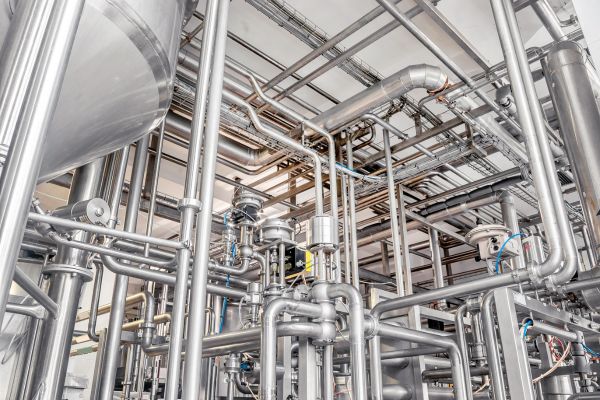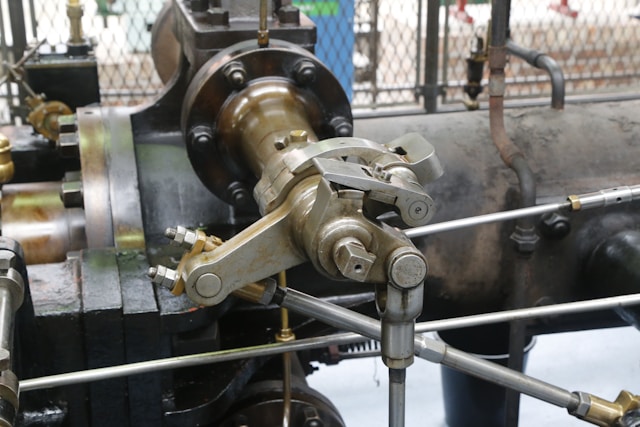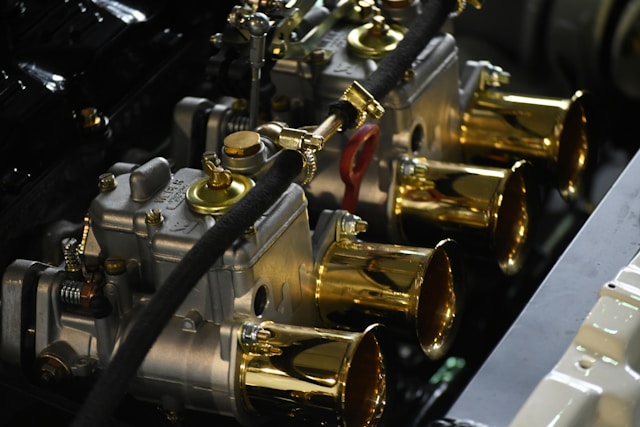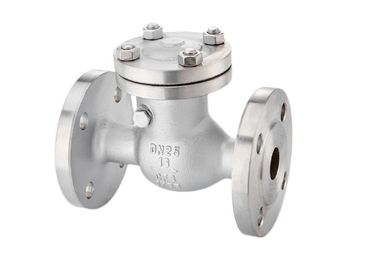
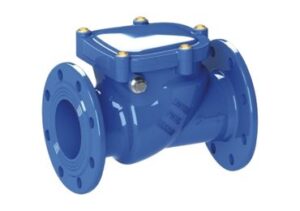
High-Performance Non-Return Valves for Ultimate System Protection

Automatically prevent backflow, protect critical equipment, and ensure process integrity with our reliable check valves.

  • Certificación ISO 9001
  • Entrega rápida en todo el mundo
Solución de control de emisiones-Válvula antirretorno elevadora sin retorno

BCST su proveedor de válvulas antirretorno de China

BCST non-return valves commonly permit liquid or fueloline to float thru them in simplest one direction. Non-return valves have openings withinside the body, one for fluid to go into and fluid to leave. Non-return valves paintings automatically, because of this that someone or outside manipulate does now no longer manipulate maximum. For example, maximum do now no longer have a valve manage or stem. The BCST non-return valve is designed in particular for processing industries, stopping a lack of pump top and water hammer. It is used broadly in meals processing, pharmaceutical, oil and chemical industries, hygienic enterprise sectors. It is used for what many don’t forget to be critical and preferred backflow prevention necessities inside any processing system.

Nuestros principales productos

Soluciones integrales de control de caudal para aplicaciones industriales exigentes

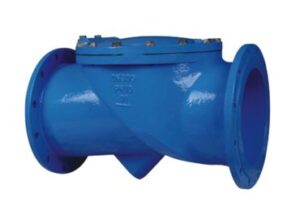
Válvula antirretorno de hierro fundido

Válvula antirretorno de fundición

Economical Backflow Prevention Technology

Cast iron non return valves utilize durable gray iron or ductile iron construction to provide cost-effective backflow prevention in water distribution, drainage, and general industrial systems operating at moderate pressures and temperatures. These robust check valves feature corrosion-resistant internal components with renewable seats and discs, delivering reliable one-way flow control while minimizing installation costs in large-diameter applications. Cast iron non return valves excel in municipal water systems, wastewater treatment facilities, and industrial plants where budget constraints demand economical solutions without compromising fundamental backflow prevention performance.

Características principales

  • Economical iron construction
  • Solución rentable
  • Corrosion-resistant internals
  • Renewable seat components
  • Large-diameter availability

Aplicaciones típicas

  • Municipal water systems
  • Wastewater treatment plants
  • Drainage pumping stations
  • Industrial cooling systems
  • General water service
Válvula antirretorno de asiento de goma

Válvula antirretorno de asiento de goma

Elastomeric Seal Shutoff Technology

Non return rubber seat check valves incorporate resilient elastomeric seating surfaces that compress against metal discs or balls to achieve bubble-tight shutoff and silent closure in liquid service applications. These specialized check valves utilize EPDM, NBR, or Viton rubber seats that conform to sealing surfaces, eliminating metal-to-metal contact noise while providing superior leak-tight performance and resistance to water hammer effects. Non return rubber seat check valves deliver quiet operation and extended service life in potable water, HVAC, and process systems where noise reduction and positive shutoff are critical requirements.

Características principales

  • Bubble-tight rubber sealing
  • Silent closure operation
  • Water hammer resistance
  • Extended seat life
  • Multiple elastomer options

Aplicaciones típicas

  • Potable water distribution
  • HVAC piping systems
  • Pump discharge protection
  • Building water systems
  • Food processing lines
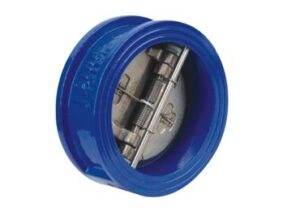
Válvula antirretorno wafer

Válvula de retención Wafer sin retorno

Space-Saving Lightweight Design

Non return wafer check valves feature compact thin-profile construction that fits between standard pipeline flanges without requiring additional pipe length, providing economical backflow prevention in space-constrained installations. These streamlined check valves utilize spring-assisted disc mechanisms or dual-plate designs within lightweight bodies, eliminating the need for bolted bonnet assemblies while maintaining full-bore flow capacity and low-pressure drop characteristics. Non return wafer check valves offer rapid installation, reduced weight loads on piping systems, and cost-effective protection in applications where traditional swing or lift check valves would be impractical.

Características principales

  • Compact wafer design
  • Construcción ligera
  • Space-saving installation
  • Flange-to-flange mounting
  • Low-pressure drop

Aplicaciones típicas

  • Pump discharge lines
  • HVAC installations
  • Process piping retrofits
  • Space-limited applications
  • Vertical pipeline service
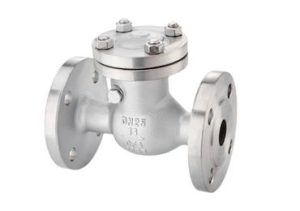
Solución de control de emisiones-Válvula antirretorno elevadora sin retorno

Válvula antirretorno de elevación sin retorno

Vertical Motion Poppet Technology

Non return lift check valves employ a guided disc or piston that moves vertically perpendicular to the seat under forward flow pressure, automatically closing by gravity and reverse flow when forward pressure ceases. These precision-engineered check valves provide positive shutoff through linear disc travel and metal-to-metal or soft-seated sealing, delivering reliable backflow prevention in high-pressure steam, gas, and liquid services. Non return lift check valves excel in horizontal pipeline installations requiring responsive closure, minimal pressure drop in the open position, and proven performance in critical applications demanding guaranteed flow direction control.

Características principales

  • Vertical disc motion
  • Positive shutoff design
  • High-pressure capability
  • Guided disc travel
  • Steam service compatibility

Aplicaciones típicas

  • Boiler feedwater systems
  • High-pressure steam lines
  • Compressor discharge
  • Horizontal piping installations
  • Critical process protection
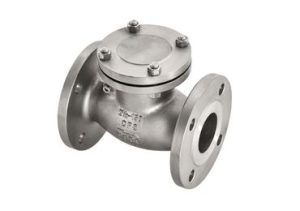
Solución de control de emisiones-Válvula antirretorno oscilante sin retorno

Válvula antirretorno de vaivén

Hinged Disc Flow Control Technology

Non return swing check valves utilize a pivoting disc mounted on a hinge pin that swings fully open under forward flow and closes automatically by gravity and reverse flow pressure, providing low-resistance backflow prevention in large-diameter pipelines. These time-proven check valves feature simple mechanical construction with minimal moving parts, delivering reliable operation across diverse applications from water distribution to petrochemical processing. Non return swing check valves accommodate horizontal or vertical flow with upward flow direction, offering quiet closure in slow-closing designs and slam-free operation with external lever and weight dampening systems.

Características principales

  • Hinged disc mechanism
  • Full-bore flow capacity
  • Caída de presión mínima
  • Simple maintenance
  • Slow-closing options available

Aplicaciones típicas

  • Water distribution mains
  • Sewage pumping stations
  • Petrochemical pipelines
  • Power plant cooling water
  • Large-diameter applications
Solución de control de emisiones-Válvula antirretorno vertical sin retorno

Válvula antirretorno vertical sin retorno

Gravity-Assisted Closure Design

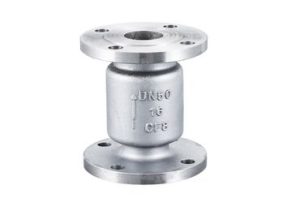
Non return vertical check valves are specifically engineered for vertical pipeline installations with upward flow direction, utilizing gravity-assisted disc or piston mechanisms that provide fast-closing response to prevent reverse flow and column separation. These specialized check valves incorporate spring-assisted or counterweight designs that ensure positive closure even under low-flow or no-flow conditions, eliminating the risk of disc flutter and premature wear in vertical pumping applications. Non return vertical check valves deliver superior protection against water hammer, pump damage from backflow, and system drainage in high-rise buildings, vertical turbine pumps, and elevated tank distribution systems.

Características principales

  • Vertical flow optimization
  • Gravity-assisted operation
  • Fast-closing response
  • Water hammer prevention
  • Spring-assisted closure

Aplicaciones típicas

  • Vertical pump installations
  • High-rise building systems
  • Elevated water tanks
  • Vertical turbine pumps
  • Multi-story plumbing systems

Certified Performance: BCST Non-return Valve Quality Control

In critical applications across oil and gas, chemical, and power generation, an industrial non return valve must meet stringent safety and quality standards. As your trusted manufacturer, BCST holds key international certifications, including ISO 9001, CE, and SIL (Safety Integrity Level), to ensure our products meet global requirements for hazardous and demanding environments. This commitment to certified quality, direct from our factory, provides the assurance you need for safe and compliant operations..

Diseño de válvulas industriales

Diseño

  • Caculación de software técnico
  • Reunión del equipo técnico
  • Confirmación de planos CAD
Inspección de materias primas para válvulas industriales

Inspección de materias primas

  • Análisis químico
  • Propiedad mecánica
  • dimensión Comprobaciones
  • Controles visuales
  • Examen de no destrucción
Mecanizado de válvulas industriales

Mecanizado

  • Mecanizado CNC
  • Controles visuales
  • Controles dimensionales
  • Prueba de penetración de líquidos
Prueba de piezas de válvulas industriales

Prueba Spart Part

  • Controles visuales
  • Penetración de líquidos
  • Prueba
  • Prueba de dureza
  • Lapeado
  • Controles dimensionales

Inspección de materias primas

  • Instalación
  • Calibración
válvula antirretorno inspección general

Inspección

  • Prueba de la cáscara
  • Prueba de estanqueidad
  • Prueba de fugas
  • Prueba de aire
  • Prueba de funcionamiento
prueba de la válvula antirretorno

Presión

  • Pulido de superficies
  • Pintura
  • Inspección visual
  • Controles de espesor
Empaquetadura para válvulas industriales

Embalaje

  • Marcado
  • Caja de madera exportada

Industrias a las que servimos

Nuestras válvulas de control gozan de la confianza de diversos sectores por su fiabilidad, precisión y durabilidad.

Válvula reguladora de caudal aplicada en procesos químicos

Procesado químico

Petroquímica, especialidades químicas, productos farmacéuticos

Ver soluciones
Válvula reguladora de caudal aplicada a la generación de energía

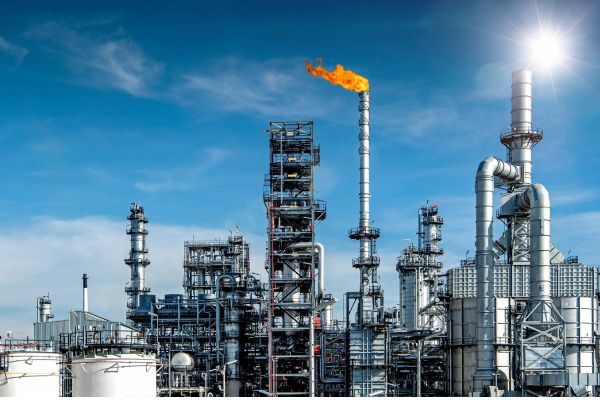
Petróleo y gas

Aplicaciones de flujo ascendente, medio y descendente

Ver soluciones
válvula de control de presión aplicada en el tratamiento de aguas y aguas residuales

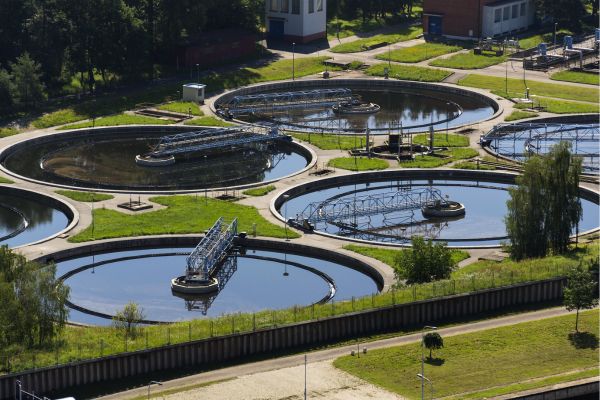
Tratamiento del agua

Sistemas municipales, industriales y de aguas residuales

Ver soluciones
Soluciones de energía

Generación de energía

Vapor, gas, energía nuclear y renovable

Ver soluciones
Válvula de descarga neumática BCST en el procesamiento de alimentos y bebidas

Alimentación y bebidas

Sistemas sanitarios de tratamiento y envasado

Ver soluciones
Válvula reguladora de caudal aplicada en sistemas HVAC

Alimentación y bebidas

Climatización comercial e industrial

Ver soluciones
Válvulas cerámicas BCST en minería y procesamiento de minerales

Minería

Sistemas de tratamiento y extracción de minerales

Ver soluciones
Válvulas de bola inoxidables BCST en operaciones marítimas y en alta mar

Marina y alta mar

Construcción naval y sistemas de plataformas marinas

Ver soluciones

¿Está listo para encontrar la solución de válvulas perfecta para su proyecto?

Póngase en contacto hoy mismo con nuestro equipo de expertos para hablar de los requisitos de su proyecto y descubra cómo BCST puede ofrecerle soluciones fiables y eficientes adaptadas a sus necesidades.

Protect Your System Today

From standard utility lines to critical high-pressure systems, our engineering team can help you select the most reliable and cost-effective non-return valve.

figura 7 válvula antirretorno de cierre

Preguntas frecuentes

What is a Non-Return (Check) Valve?

A non-return valve, also known as a check valve or one-way valve, is a device that allows fluid or gas to flow in only one direction. It is designed to automatically prevent backflow (reverse flow) the moment the fluid in the line reverses direction. This passive operation is critical for protecting equipment and preventing system contamination.

What is "cracking pressure"?

The minimum upstream pressure needed to open the valve and allow flow. It is the small amount of force required to lift the disc or piston off the seat.

What is "water hammer" and how can I prevent it?

A pressure surge caused by a fluid in motion being forced to stop or change direction suddenly. The sudden closure of a check valve can cause it. Using fast-closing, non-slam check valves or adding a dashpot can help mitigate it.

Can a check valve be installed vertically?

It depends on the type. Lift-check, ball-check, and most spring-assisted check valves are designed for vertical installation (with upward flow). A standard swing check, however, may not close properly without gravity assistance. Always check the valve’s specifications.

¿Qué aplicaciones utilizan una válvula antirretorno?

Bombas:

Most pump applications consist of a non-return valve to avoid the backflow on the head of the pump. There is a non-return valve on the boilers’ feeding pumps to maintain the flow rate at the particular outlet of the pressure. You can also see the non-return valve in the chromatography process. It is the procedure conducted in the laboratory for purification purposes from the mixture.

Fines domésticos:

Sprinkler systems, heating the home systems, and expandable mattresses use the non-return valve. In some situations, the non-return valve provides safety to prevent contamination inside the water supply for domestic usage.

Fines industriales:

In the fluid processing systems, including pharmaceuticals and power plants and the transportations’ fuel systems. They are using the nonreturn valve in the pipelines of their systems. The nitrogen feeding system uses the non-return valve in the dump lines in the nuclear industry. The non-return valve also helps in the systems of water control. The fuel injecting systems also use a non-return valve to operate along with the high-level pressure. It is used by aircraft and spacecraft while launching vehicles.

¿Qué ventajas puede obtener tras la instalación de la válvula antirretorno?

A continuación se enumeran las ventajas que puede obtener tras instalar el válvula antirretorno:

  • En válvula antirretornotrabaja de forma operativa
  • El coste de mantenimiento del válvula antirretornoes menor
  • Disponibilidad de válvula antirretornose encuentra en diversas gamas
  • El tamaño del válvula antirretornoes lo suficientemente compacto
  • Se reduce el fallo repentino de las válvulas por la válvula antirretorno
  • En válvula antirretornoprotege la bomba, el compresor y otros equipos
  • Ayuda a evitar el golpeteo del agua y la eficiencia energética
  • Evita el flujo en sentido inverso
  • Es la mejor elección para aplicaciones de bombeo, agua y aguas residuales.
¿Cuáles son los usos y aplicaciones de la válvula antirretorno?

Desde el uso doméstico al industrial, casi todos los sistemas utilizan el válvula antirretorno.A continuación figura la lista de sistemas que utilizan el válvula antirretorno:

  • Sistemas de riego
  • Sistemas de bombeo
  • Sistemas de calefacción
  • Calderas de vapor
  • Industria nuclear
  • Bombas dosificadoras
  • Inyección de los sistemas de combustible
  • Centrales eléctricas
  • Laboratorios
  • Sistemas de tuberías
  • Sistemas de control del agua
¿Cómo funciona la válvula antirretorno?

En válvula antirretornoes junto con el resorte para la apertura cuando se establece la presión estática diferencial (restando la válvula de presión aguas arriba y aguas abajo de presión). Es la producción de la fuerza de apertura (la presión diferencial se multiplica con el área transversal de la válvula antirretorno)que empieza a actuar como fuerza de cierre. La presión de apertura requerida depende de la tensión del muelle, del tamaño y de la posición de instalación del válvula antirretorno.

Al principio de la aplicación, aumente la presión estática entre el generador de presión y la unidad de control. válvula antirretorno.Una vez alcanzada la presión de apertura y traspasado el límite de la fuerza, se produce el inicio del flujo volumétrico. La presión aguas arriba del válvula antirretornocomienza a descender, por lo que la fuerza de cierre vuelve a perturbar el equilibrio de la fuerza de apertura para cerrar el válvula antirretorno.Este procedimiento se repite hasta que se produce un flujo de gran volumen. Se debe a que la presión diferencial dinámica adicional y la fuerza de cierre no pueden cerrar la válvula antirretorno. Depende del flujo de volumen si se abre el válvula antirretornototal o parcialmente.

Cuando el válvula antirretornose abre parcialmente, se produce un estrépito que reduce el caudal volumétrico. Se debe al efecto sobre el válvula antirretornoaleteo en el asiento. También existe la posibilidad de que oiga el zumbido con frecuencia. Esto indica que su válvula antirretornoes grande y no se ajusta a los requisitos de las aplicaciones. A veces, puede escuchar este ruido mientras arranca, apaga o carga parcialmente el válvula antirretorno.Puede resolver este problema disminuyendo la fuerza de cierre e incluso utilizando la función válvula antirretornosin el muelle en los tubos verticales en dirección ascendente.

Póngase en contacto con nosotros

Tell us your specs; our engineer will reply within 24 hours.