
Choosing the wrong válvula de control leads to poor performance, costly inefficiency, and unexpected shutdowns. This single mistake can compromise your entire process and create endless operational headaches.
The primary industrial control valves are globe, ball, butterfly, and diaphragm valves. Globe valves offer precise flow control. Ball and butterfly valves are cost-effective for large pipes. Diaphragm valves excel with corrosive fluids. Each is designed for specific process needs.

How Do Globe Valves Achieve Such Precise Flow Control?
You need tight, accurate control, but many valves just seem to offer “mostly open” or “mostly closed.” This lack of precision can lead to unstable processes and inconsistent product quality.
Válvulas de globo are built for precise throttling. Their internal S-shaped path and special plug let you make very small and accurate flow adjustments. This makes them the best choice when control is everything.
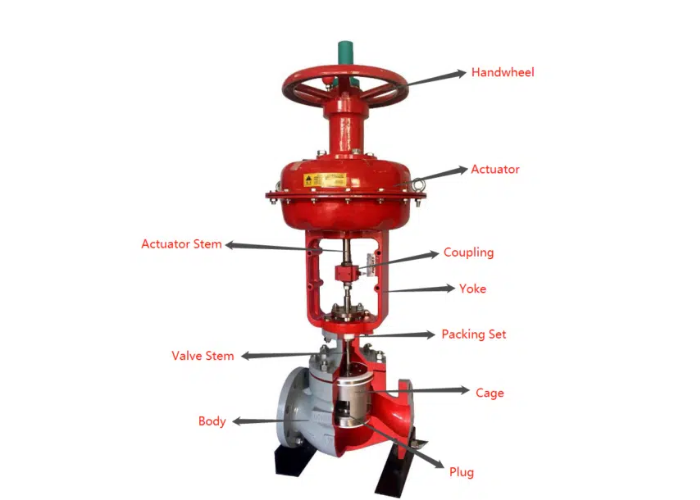
A globe valve forces the fluid to change direction multiple times as it moves through the body. This complex S-shaped flow path creates high resistance and a big pressure drop. That resistance is exactly why the valve is so good at control. You move a carefully shaped plug into or out of a seat. This action changes the size of the flow path with incredible precision. A globe valve is not a simple on/off device. It is a true variable-flow regulator. Its performance depends on its internal “trim,” which is the plug, seat, and stem working together.
Flow Characteristics: Matching the Valve to the Process
The shape of the valve plug decides how the flow changes as the valve opens. This is called the flow characteristic. Choosing the right one makes your control loop stable and responsive.
| Característica del caudal | Cómo funciona | Best Used For |
|---|---|---|
| Lineal | Flow is directly proportional to how far the valve is open. 50% open equals about 50% flow. | Stable processes that don’t change much, like controlling a liquid level in a tank. |
| Equal Percentage (%) | Every small movement adds an equal percentage to the current flow. This gives fine control at low openings. | The most common type. It works well for processes with big pressure changes, like temperature and pressure control. |
| Apertura rápida | A large amount of flow rushes through with just a small opening movement. | Simple on/off jobs, like a safety relief or drain line, where you don’t need throttling. |
Trim Design: The Heart of Control
“Balanced” trim is a smart design for high-pressure systems. In an “unbalanced” valve, high pressure pushes on the entire plug, so you need a huge, powerful actuator to move it. A “balanced” trim has small channels that let pressure get to both sides of the plug. This evens out the forces. As a result, you can use a much smaller and less expensive actuator. This precision makes globe valves the top choice for critical jobs like steam control, fuel gas regulation, and chemical injection.
When Is a Butterfly Valve the Smarter Choice for Control?
You need to control flow in a large pipe, but a globe valve would be enormous and incredibly expensive. The cost, weight, and installation difficulties can make the project seem impossible.
Válvulas de mariposa give you good control in a light, compact, and affordable package. For medium to large pipes, a high-performance butterfly valve offers the best balance of performance and cost.
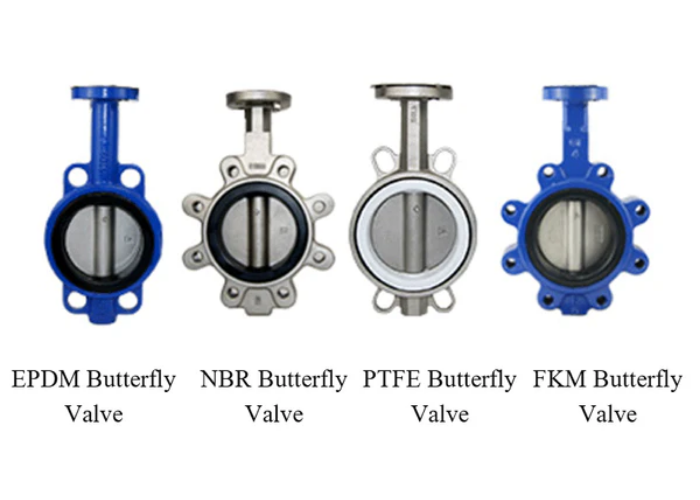
A butterfly valve has a very simple design. A disc sits in the middle of the pipe, mounted on a shaft. A quarter-turn of the shaft moves the disc from fully closed to fully open. Basic butterfly valves are mostly for on/off jobs. But modern high-performance designs are excellent for throttling and control. These advanced valves use “offsets” to improve how they work, reduce wear, and provide a much tighter seal.
Beyond Basic: High-Performance Butterfly Valves
Offsets are the key to turning a butterfly valve into a real control valve. They move the disc away from the seat as it opens. This reduces friction and wear. It also means you need less force (torque) to turn the valve.
| Butterfly Valve Type | Design Feature | Ventajas clave |
|---|---|---|
| Concentric (Zero Offset) | The stem and disc are centered in the pipe. | Simple and low cost. Best for low-pressure on/off jobs with clean fluids. |
| Double Eccentric | The stem is offset from the center of the disc and the center of the pipe. | This reduces friction between the disc and seat, leading to a longer life. It gives good shutoff and control. |
| Triple Eccentric | It has three offsets, including a unique seat angle. | This design eliminates all friction during movement. It gives bubble-tight shutoff at high pressures and temperatures. |
High-performance butterfly valves (double and triple offset) are now very popular. The benefits are clear. They are much lighter, smaller, and cheaper than a globe valve of the same size. This makes installation faster and puts less stress on your pipes. They are the workhorses in water treatment, HVAC, and power plant cooling systems. They are perfect when you need reliable control in large pipes without a huge budget.
How Do You Control the Most Difficult and Corrosive Fluids?
Corrosive chemicals and abrasive slurries are destroying your standard metal valves. The constant leaks, failures, and replacements are costly, dangerous, and cause endless downtime for your process.
Válvulas de diafragma offer total protection by isolating the moving parts from the fluid. They are a leak-proof, corrosion-resistant solution for the most challenging fluids in your plant.
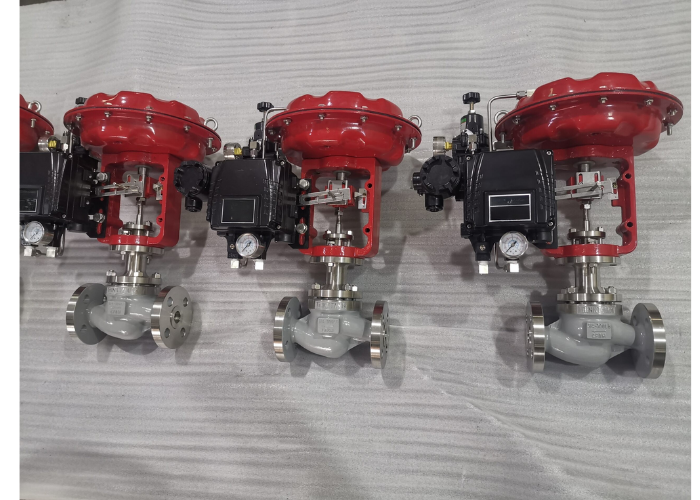
The design of a diaphragm valve is brilliant and simple. It has three parts: a body, a flexible diaphragm, and an actuator. The diaphragm is a tough membrane. The actuator pushes it down to seal against the valve body and stop the flow. The diaphragm itself creates the seal. This means you don’t need traditional stem packing. All the moving metal parts in the actuator stay completely separate from the fluid. This “packless” design removes a common leak path. It is perfect for dangerous chemicals, sticky slurries, or high-purity systems where nothing can be contaminated.
Weir vs. Straight-Through: Which Design is for You?
Diaphragm valve bodies come in two main styles. Each is suited for a different job.
| Diaphragm Valve Style | Design Description | Lo mejor para |
|---|---|---|
| Weir Type | The diaphragm pushes onto a raised “weir” inside the body to close. This style gives better control. | The most common type. It’s excellent for throttling clean or moderately abrasive fluids. |
| Straight-Through Type | The valve body has a smooth, open flow path. The diaphragm travels further to close. | Ideal for thick slurries or fluids with solids that could clog a weir-style valve. |
The real power of a diaphragm valve is its material flexibility. The body can be simple cast iron lined with a corrosion-proof material like rubber or PTFE. The diaphragm itself can also be made from many different materials to perfectly match your chemical. This versatility makes them superstars in mining, chemical production, and pharmaceutical plants. They do have temperature and pressure limits compared to metal valves. But for the right job, they are unbeatable.
Can a Simple Ball Valve Really Be Used for Precise Control?
You need more than just simple on/off service, but a dedicated globe valve is over budget. You tried using a standard ball valve for throttling, but it gave you poor control and wrecked the seats.
Yes, but only with the right design! V-port and segmented ball valves are made for control. They give you the tight shutoff of a ball valve plus the predictable control of a throttling valve.
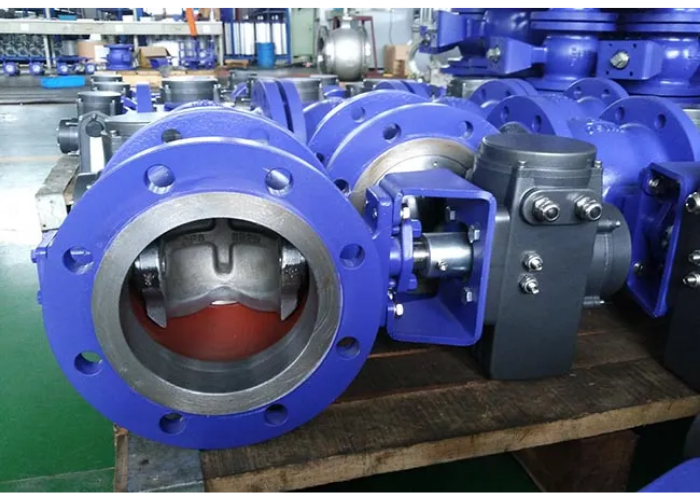
A standard ball valve has a round hole through the center. This design is great for on/off service. It gives you a wide-open flow path and a tight seal. But it is terrible for control. When you try to throttle, most of the flow gets cut off in the first few degrees of movement. Fine adjustment is impossible. To fix this, engineers created the control ball valve. Instead of a round hole, these valves have specially shaped openings that let you throttle the flow gradually.
Modifying for Control: V-Port vs. Segmented Ball
The shape of the opening transforms the ball valve from a simple switch into a control instrument.
| Ball Valve Control Type | Design Description | Ventajas clave |
|---|---|---|
| Válvula de bola estándar | A ball with a simple round hole. | On/off service only. Provides very poor control and is quickly damaged if used for throttling. |
| Válvula de bola V-Port | The opening in the ball is shaped like a “V”. | As the valve turns, the ‘V’ shape creates a small and predictable opening. This gives you smooth control, much like a globe valve. |
| Segmented Ball Valve | Uses a V-notched segment (a piece of a ball) instead of a full ball. | Offers the control of a V-port but with a more direct flow path. This is great for high flow or even slurries with fibers. |
Control ball valves offer a great mix of benefits. They can handle much more flow (have a higher Cv) than a globe valve of the same size. This often means you can use a smaller, less expensive valve. They also give you the bubble-tight shutoff that ball valves are famous for. This makes them very versatile. They can be both a great control valve and a reliable isolation valve. They work very well in paper mills, chemical plants, and any system where you need good control with high flow and zero leakage.
What Makes a Control Valve Move and Think?
You have the perfect valve body, but it’s just a piece of metal by itself. It needs other parts to make it move and follow orders. Choosing the wrong ones will ruin your control.
Every control valve needs two things: an actuator for muscle and a positioner for brains. The actuator provides the power to move the valve. The positioner is the smart device that tells the actuator exactly where to go.
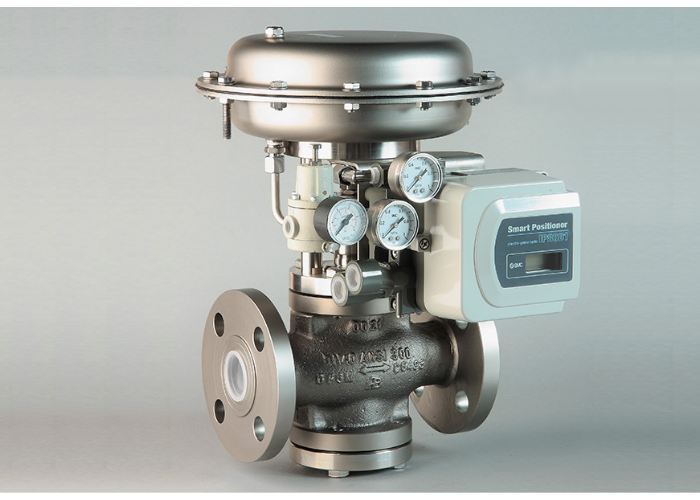
When Hassan was finalizing his equipment list, he asked me, “Emily, I’ve picked the valve bodies, but how do I choose the right actuator?” I told him to think of it like choosing an engine for a car. The actuator must be powerful enough to move the valve against the process pressure. And the positioner makes sure it does so with total precision.
1. The Actuator: The Muscle
The actuator is the device on top of the valve. It converts a power source, like compressed air or electricity, into the motion needed to open or close the valve.
| Actuator Type | Power Source | Pros & Cons |
|---|---|---|
| Neumático | Compressed Air | Pros: Very reliable, powerful, fast, and low cost. They are also naturally safe for explosive areas. Contras: You need a plant-wide compressed air system. |
| Eléctrico | Electricity | Pros: Very precise, easy to install anywhere with power. Contras: Slower than pneumatic, more complex, and more expensive. |
For most industries, pneumatic actuators are the standard choice. Their power and simplicity are hard to beat. Electric actuators are more common for simple on/off valves in remote locations or when very slow, steady movement is needed.
2. The Positioner: The Brain
The positioner is a vital part of any control valve. It takes the control signal (like a 4-20mA signal) from your control system. It compares that command to the valve’s actual position. Then, it adjusts the actuator until the positions match perfectly. It’s like a cruise control system for your valve. It constantly makes tiny adjustments to hold the exact position you want. A modern smart positioner offers even more. It can communicate digitally and provide diagnostic data that warns you about problems before the valve fails.
How Do You Choose the Right Size Valve for Your Pipe?
You bought a valve that’s the same size as your pipe. But now it either can’t pass enough flow, or you have to keep it barely cracked open, making control impossible. This is a common and expensive mistake.
You must ignore the pipe size. Instead, pick your valve using its Flow Coefficient (Cv). Cv is the universal language for valve capacity. It tells you exactly how much fluid the valve can pass.
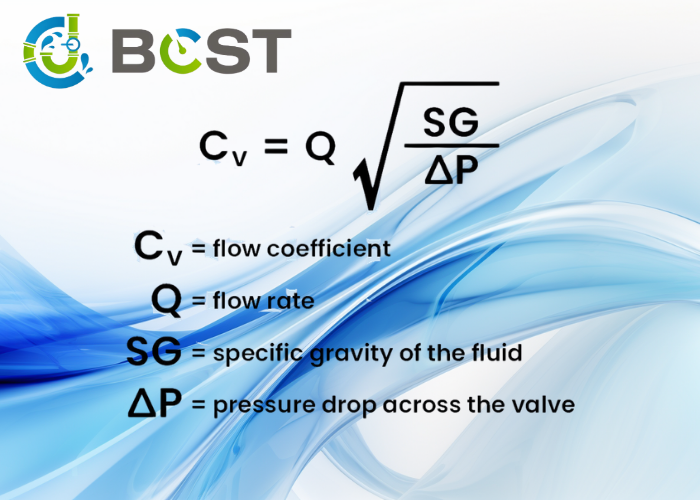
Sizing a control valve is a crucial engineering step. Hassan’s team had to calculate the Cv for every single one of those hundred valves on their P&ID. Choosing a valve just based on the pipe diameter is one of the biggest mistakes you can make. It almost always results in a valve that is way too big for the job.
What is Cv?
The Cv tells you the valve’s capacity for flow. A bigger Cv number means the valve can pass more fluid. The official technical definition is the number of U.S. gallons of 60°F water that flow through a fully open valve in one minute with a 1 psi pressure drop. You don’t need to memorize that. Just know that Cv is the standard measure of flow capacity, like horsepower for an engine.
The Sizing Process
First, you calculate the required Cv for your specific process. You need to know your flow rate, your fluid, and the pressures before and after the valve. Once you have that number, you look at a manufacturer’s chart. You then select a valve that provides the required Cv when it’s operating in its ideal control range, usually between 20% and 80% open.
| Sizing Mistake | Why It’s Bad | The Consequence |
|---|---|---|
| Oversized Valve | The valve only needs to be 5-10% open to get the right flow. | Very poor, twitchy control. The process will be unstable. High fluid speed can also erode and destroy the valve seat. |
| Undersized Valve | The valve is 100% open but still can’t pass enough flow. | The process is “starved” for fluid and can’t meet its target. It also wastes a lot of energy. |
Properly sizing a control valve based on its Cv is not optional. It is essential for good process control. It ensures your valve works efficiently, provides stable control, and lasts a long time.
Conclusión
Globe, butterfly, ball, and diaphragm valves solve unique industrial challenges. Understanding their roles, the components that drive them, and how to size them correctly is the key to achieving optimal control, safety, and efficiency.


 English
 Arabic
 Russian
 French
 Spanish