
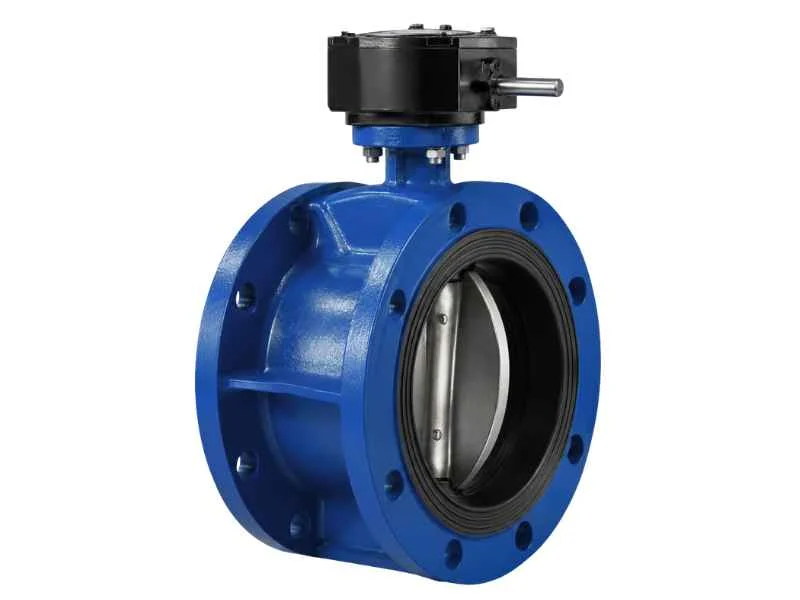
Industrial Flow Control
Rubber Lined Butterfly Valve
Reliable isolation and flow control for water, wastewater, chemical processing, mining, power generation, and other demanding industrial applications.
BCST rubber lined butterfly valves combine a corrosion-resistant elastomer seat, streamlined disc design, and dependable sealing performance for long service life.
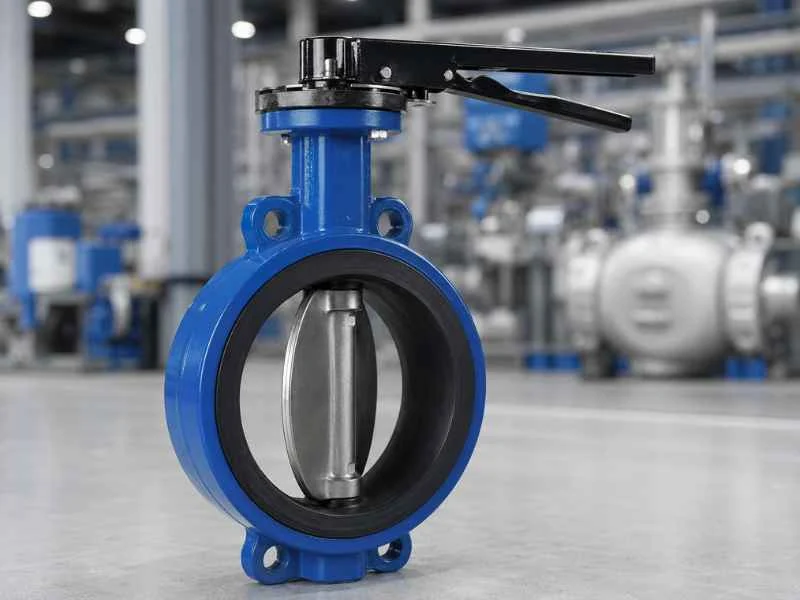
What Is a Rubber Lined Butterfly Valve?
A rubber lined butterfly valve uses an elastomer seat to isolate the valve body from the process medium and create a tight seal around the disc. The resilient lining helps reduce leakage, corrosion, and operating torque.
Its compact quarter-turn design makes it a practical alternative to larger gate and globe valves, especially in water treatment, utility, and general industrial pipelines.
- Bubble-tight shutoff for suitable services
- Compact face-to-face dimensions
- Low operating torque
- Replaceable or bonded rubber lining options
- Manual, pneumatic, or electric actuation
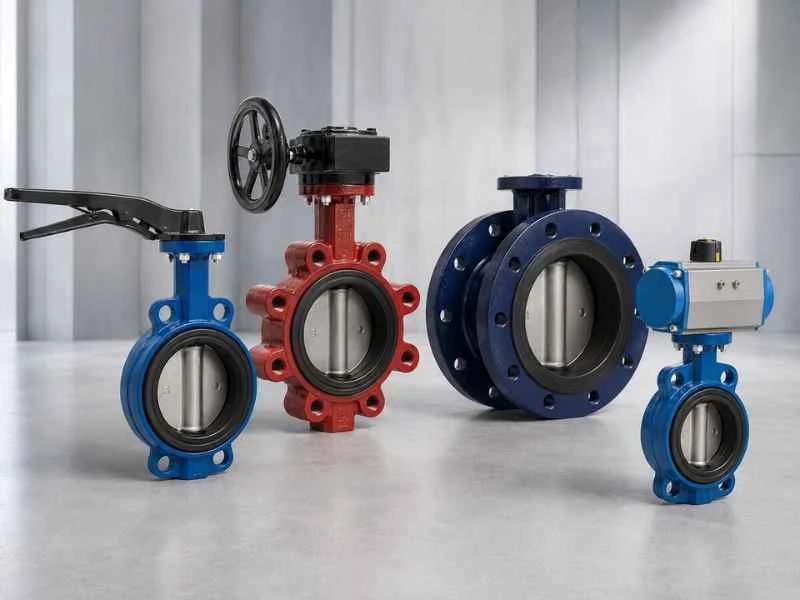
- Wafer, lug, and flanged body configurations
Rubber Lined Butterfly Valve Types
Select the body connection, lining material, disc material, and actuator according to the pipeline conditions.
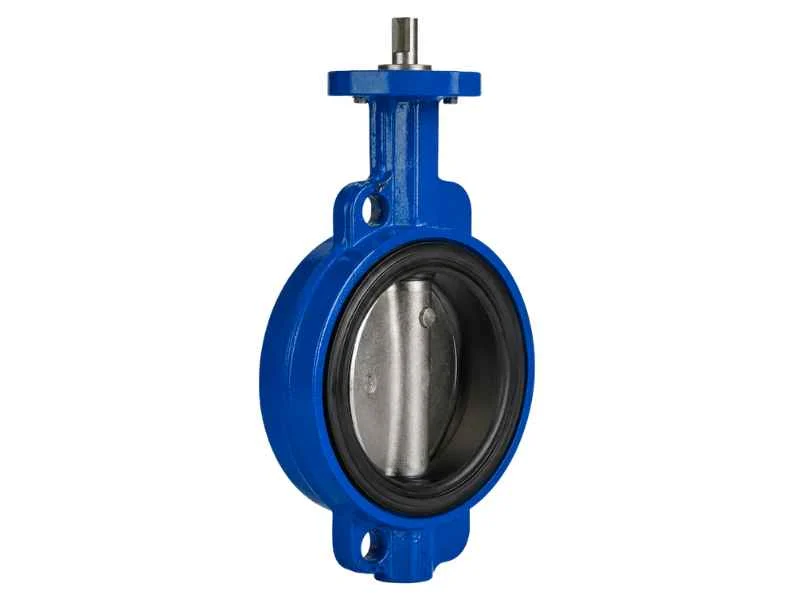
Lug Type
Threaded body lugs provide secure flange connection and can support end-of-line service when the valve configuration and pressure rating permit.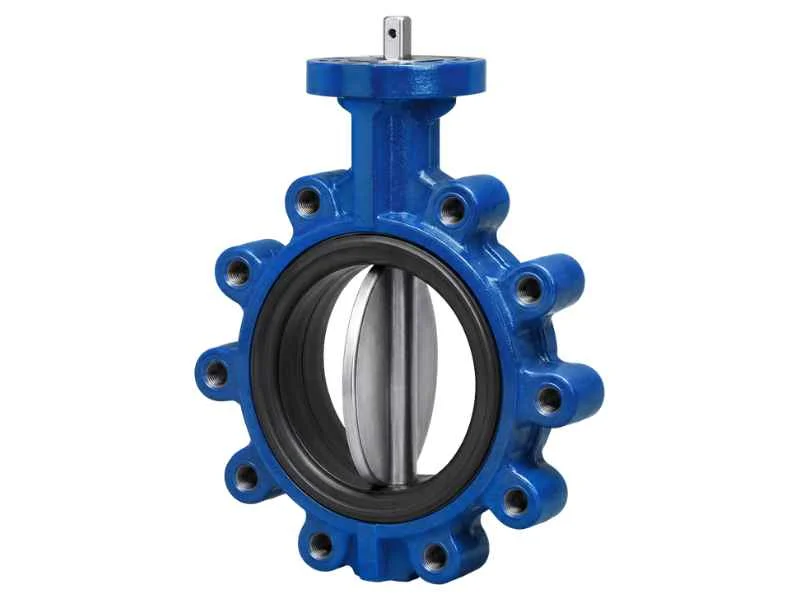
Flanged Type
A robust body configuration for larger pipelines and demanding operating environments requiring stable alignment and reliable flange sealing.
Valve Advantages
Designed for Reliable Isolation
Tight Sealing
The resilient lining forms an effective seal around the disc and stem area.
Resistencia a la corrosión
The rubber seat separates the valve body from compatible process media.
Low Torque
Optimized disc geometry helps reduce operating force and actuator size.
Easy Automation
Compatible with handles, gearboxes, pneumatic actuators, and electric actuators.
Typical Specifications
Final specifications are selected according to the medium, temperature, pressure, valve size, and applicable project standard.| Parámetro | Available Option | Selection Notes |
|---|---|---|
| Nominal Size | DN50–DN2000 | Custom large-diameter designs are available upon request. |
| Presión nominal | PN6, PN10, PN16, Class 125, Class 150 | Pressure capability depends on size, body, seat, and service conditions. |
| Estilo de carrocería | Wafer, lug, double flanged | Selected according to installation and pipeline requirements. |
| Body Material | Ductile iron, cast iron, carbon steel, stainless steel | Material selection depends on corrosion and mechanical requirements. |
| Disc Material | Ductile iron, stainless steel, duplex stainless steel, coated disc | Chosen according to the medium and required corrosion resistance. |
| Material del asiento | EPDM, NBR, natural rubber, neoprene, Viton | Temperature and chemical compatibility must be confirmed. |
| Operación | Lever, gearbox, pneumatic, electric | Actuator sizing is based on valve torque and operating conditions. |
| Design Standards | API 609, EN 593, AWWA C504 | Project-specific standards can be reviewed during quotation. |
| Face-to-Face | ISO 5752, EN 558, API 609 | Confirm the required series before manufacturing. |
| Flange Compatibility | EN 1092-1, ASME B16.5, ASME B16.47 | Other drilling standards are available for specific projects. |
Rubber Lining Material Guide
The correct lining material is essential for sealing reliability and service life.| Lining Material | Typical Strengths | Aplicaciones comunes |
|---|---|---|
| EPDM | Good resistance to water, weathering, ozone, and many diluted chemicals | Potable water, wastewater, cooling water, and utility systems |
| NBR | Good resistance to oils, fuels, and hydrocarbons | Oil-containing water, air, and compatible industrial fluids |
| Natural Rubber | Strong abrasion resistance and elasticity | Mining slurry, mineral processing, and abrasive media |
| Neoprene | Balanced resistance to weathering, abrasion, and selected chemicals | Marine water, cooling systems, and general industrial service |
| Viton | Good heat and chemical resistance for compatible media | Chemical processing and higher-temperature industrial applications |
Valve Components and Design Features
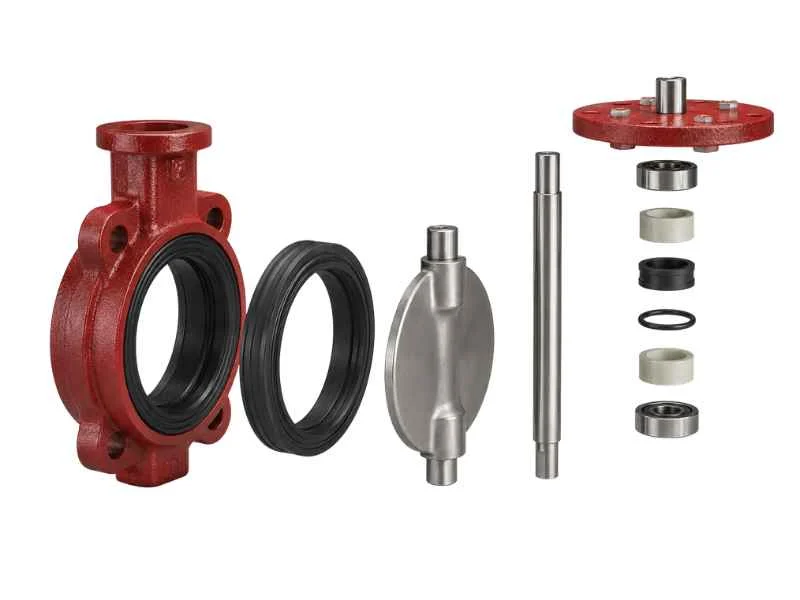
Optimized Valve Construction
- Streamlined disc profile for reduced pressure loss
- Resilient lining designed for bidirectional sealing
- Stem sealing arrangement to help prevent external leakage
- Anti-blowout stem design where required
- Self-lubricating bearings for smooth operation
- ISO 5211 mounting interface for actuator installation
- Replaceable seat design for easier maintenance
- Multiple disc coatings and materials available
Manual and Automated Butterfly Valves
Lever Operated
Simple manual operation for smaller valve sizes and accessible pipelines.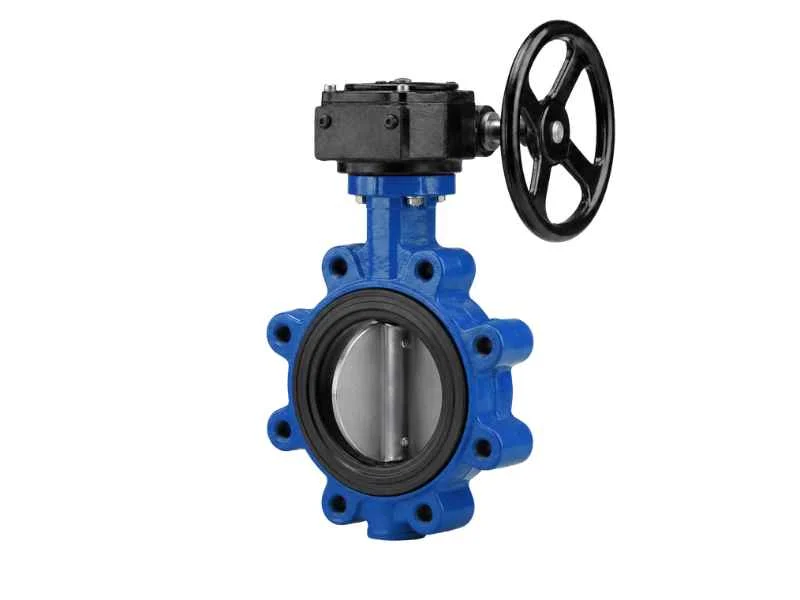
Gear Operated
Controlled manual operation for larger sizes and higher operating torque.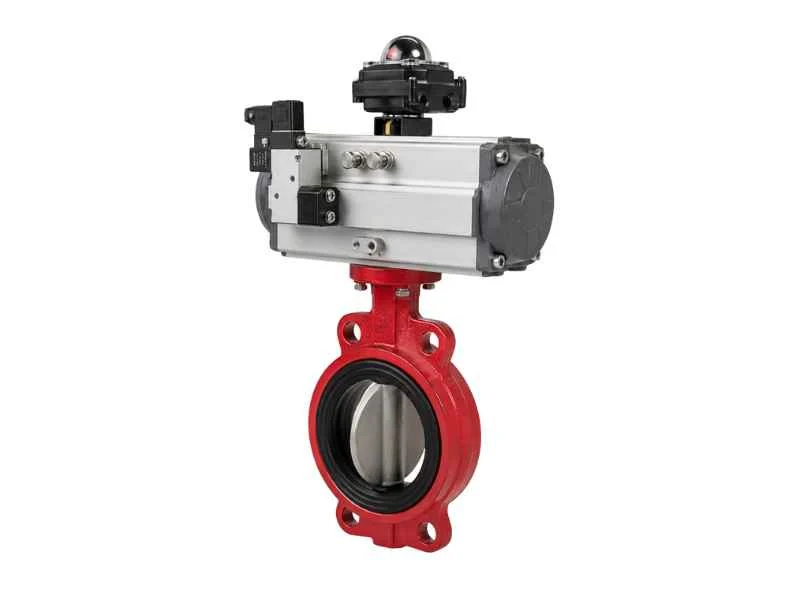
Actuador neumático
Fast on-off or modulating control with optional solenoid valve, positioner, and limit switches.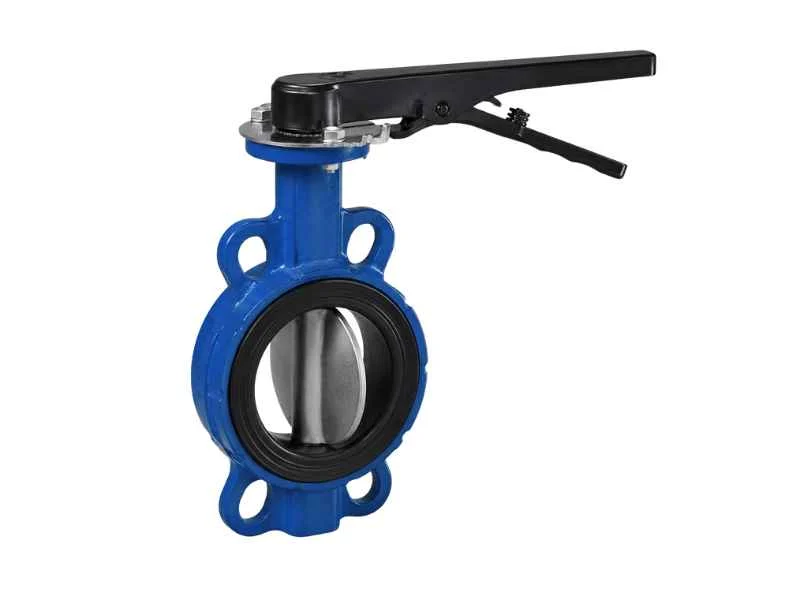
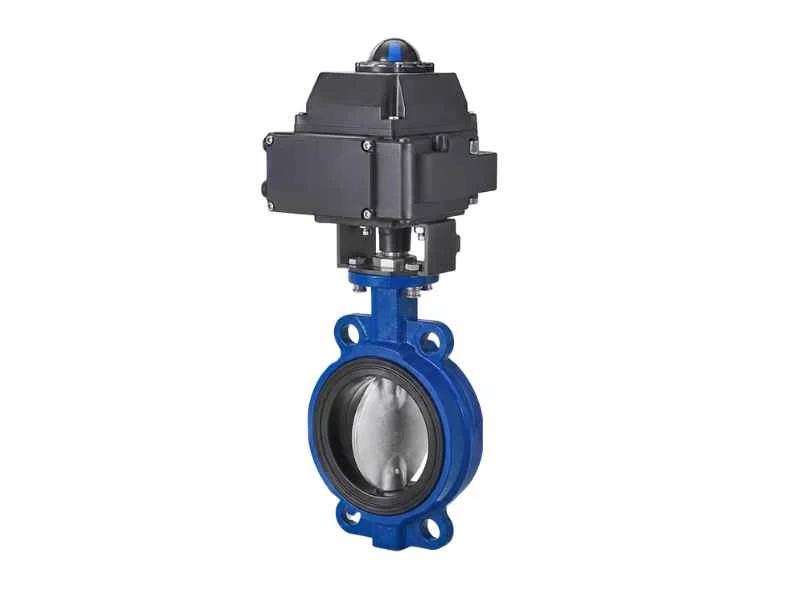
Actuador eléctrico
Remote operation for automated systems with optional position feedback and control functions.Rubber Lined Butterfly Valve Applications
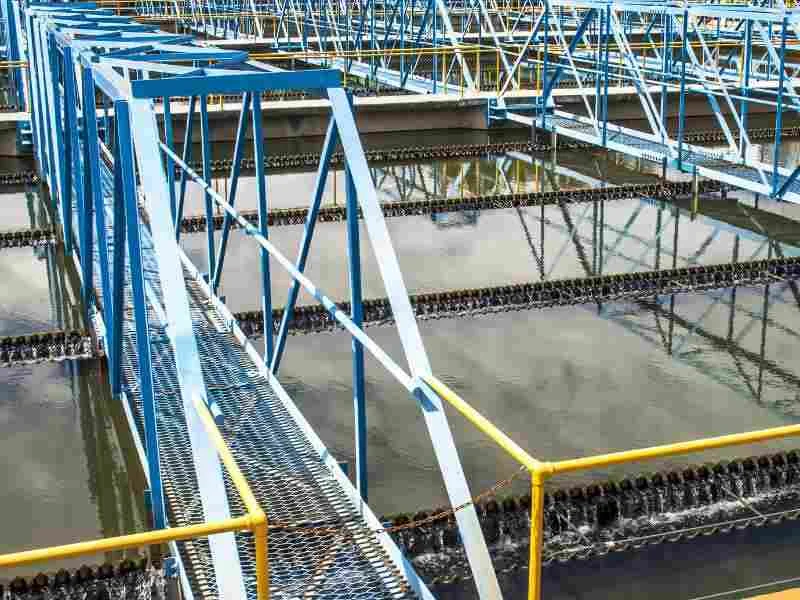
Water and Wastewater
Raw water intake, filtration, distribution, aeration, sludge handling, and wastewater treatment pipelines.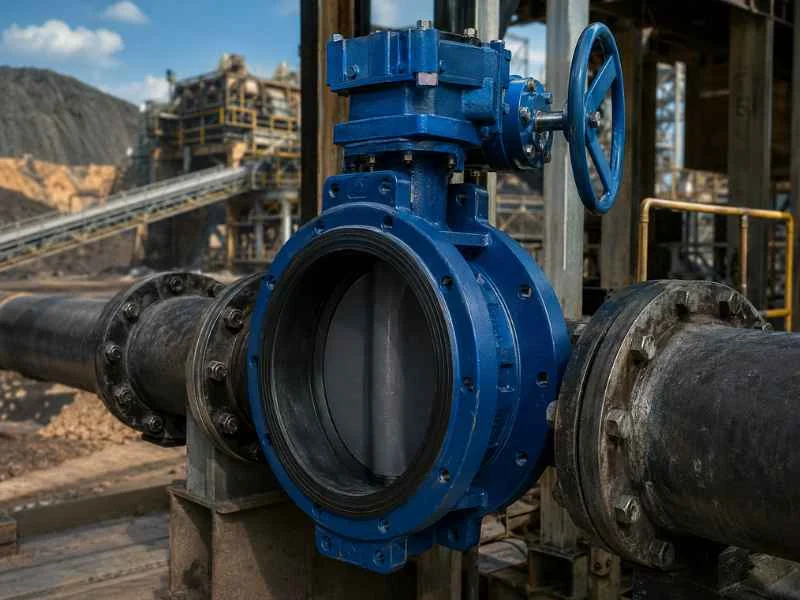
Mining and Minerals
Process water, tailings, mineral slurry, and abrasive media with a suitable lining and disc configuration.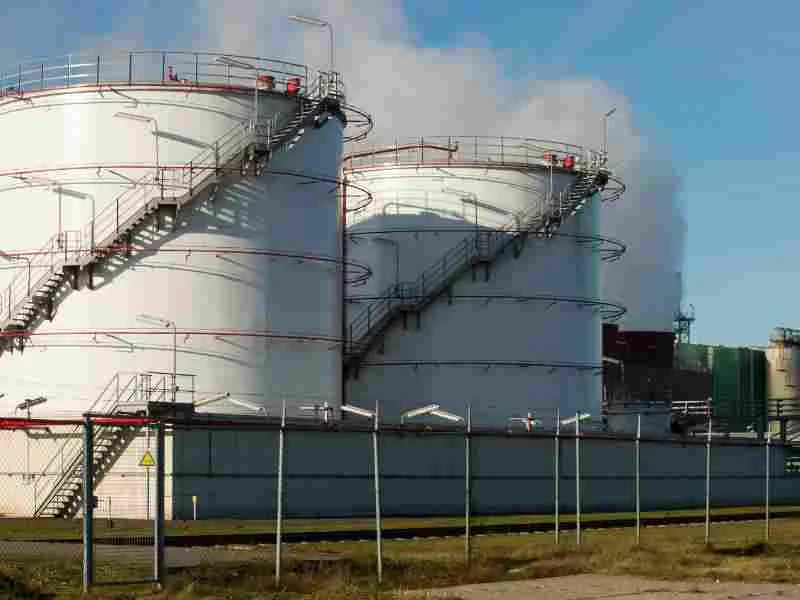
Procesado químico
Compatible acids, alkalis, salts, and process fluids selected through detailed material compatibility checks.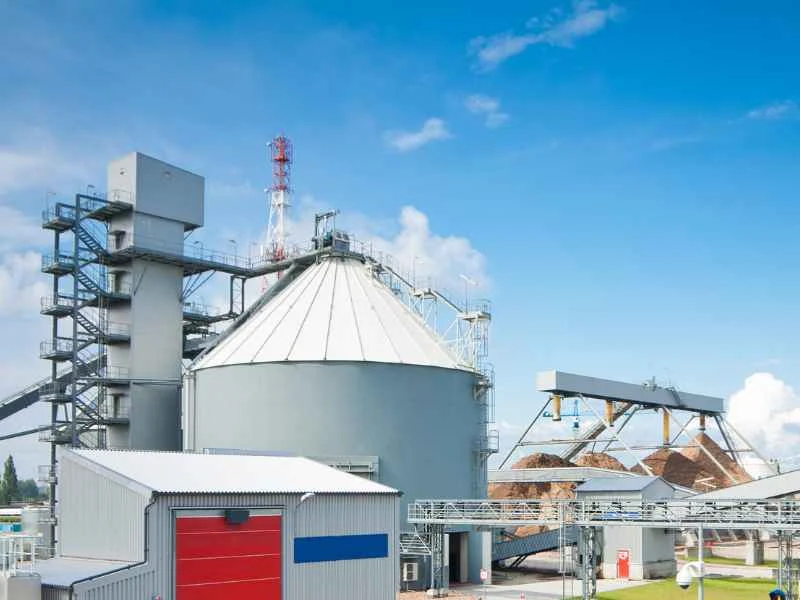
Generación de energía
Cooling water, service water, circulating water, and auxiliary plant systems.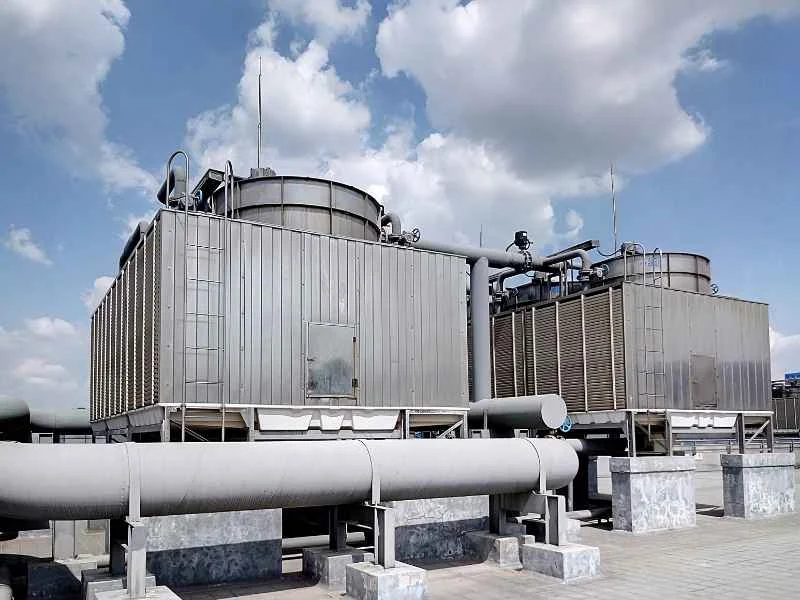
HVAC and Utilities
Chilled water, condenser water, heating water, and building utility networks.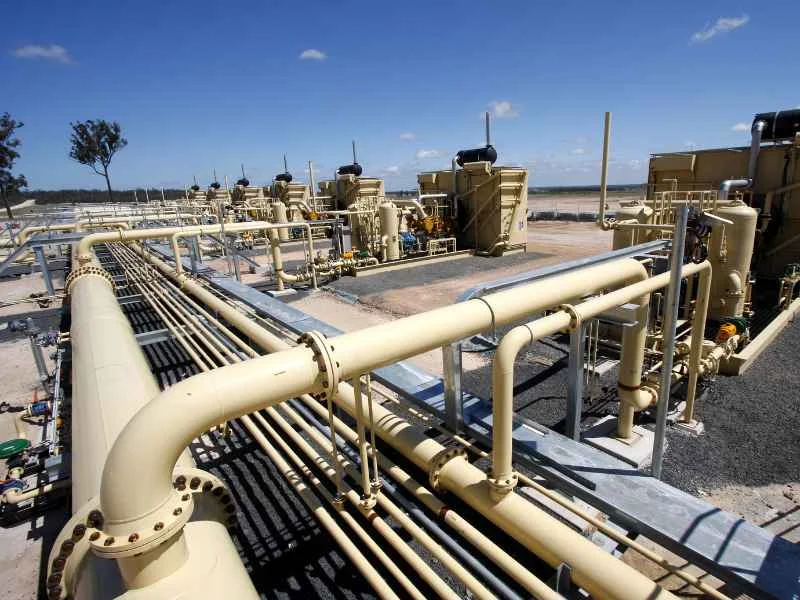
Marine Systems
Cooling, ballast, seawater, and utility pipelines with suitable corrosion-resistant materials.How to Select the Correct Valve
- Identify the medium: Provide its composition, concentration, solids content, and corrosive properties.
- Confirm operating conditions: Specify normal, minimum, and maximum pressure and temperature.
- Define the pipeline: Confirm valve size, pipe standard, flange drilling, and installation position.
- Select the lining: Match the rubber compound to the medium, temperature, and cleaning process.
- Select the disc: Choose the material or coating according to corrosion and abrasion requirements.
- Choose the operator: Specify manual, pneumatic, or electric operation and the required fail position.
- Confirm accessories: Include positioners, solenoid valves, limit switches, air filter regulators, or local controls.
Application Review
Valve materials are reviewed against your actual process conditions.
Custom Configuration
Body, disc, seat, stem, and actuation options can be configured for the project.
Quality Inspection
Material, dimensions, assembly, operation, and sealing performance are inspected.
Asistencia técnica
Engineering support is available for selection, installation, and maintenance.
Quality-Controlled Valve Production
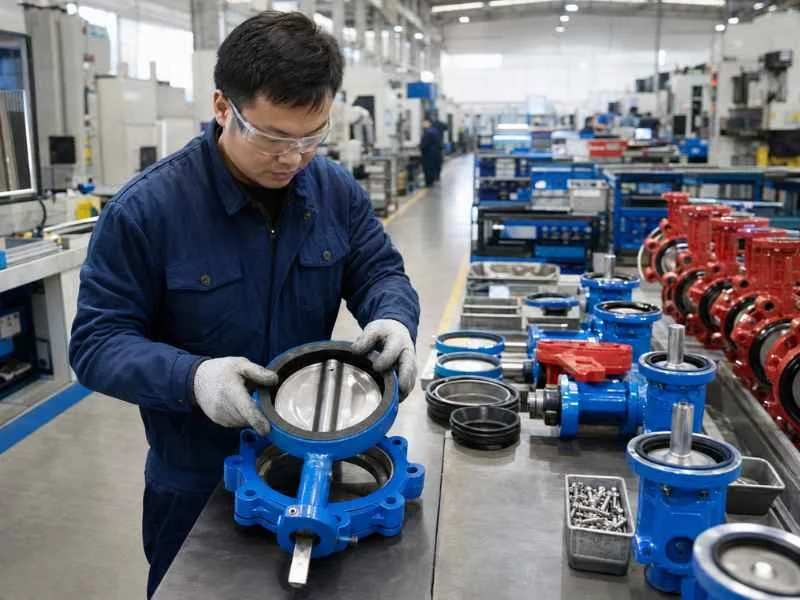
Inspection Before Delivery
BCST controls the manufacturing process from material verification and machining to assembly, pressure testing, actuator calibration, and final packaging.- Material and certificate verification
- Dimensional inspection
- Lining surface and bonding inspection
- Shell and seat leakage testing
- Operating torque verification
- Actuator function and position testing
- Coating and final visual inspection
- Protective export packaging
Information Required for a Quotation
Condiciones del proceso
- Medium name and chemical composition
- Solids content and particle size
- Normal and maximum temperature
- Normal and maximum pressure
- Required flow rate or operating duty
Valve Requirements
- Nominal size and pressure rating
- Body and connection type
- Required material or project standard
- Manual, pneumatic, or electric operation
- Power supply, signal, accessories, and fail position
Rubber Lined Butterfly Valve FAQs
What is the main advantage of a rubber lined butterfly valve?
The resilient lining provides tight sealing while protecting the valve body from compatible process media. It also supports low-torque quarter-turn operation.Which seat is suitable for water service?
EPDM is commonly selected for potable water, cooling water, and wastewater. The exact grade and certification should match the application requirements.Can the valve handle abrasive slurry?
Yes, when the lining, disc, velocity, solids concentration, and installation arrangement are correctly selected. Natural rubber is often considered for abrasive service.Can the rubber lining be replaced?
Replaceability depends on the valve design. Cartridge and replaceable-seat constructions simplify maintenance, while bonded linings may require factory refurbishment.Is the valve suitable for bidirectional flow?
Many resilient seated butterfly valves provide bidirectional shutoff. Confirm the differential pressure and preferred flow direction for the selected model.Can BCST supply a complete actuated valve package?
Yes. The valve can be supplied with a pneumatic or electric actuator, mounting kit, positioner, solenoid valve, limit switches, and other specified accessories.
Get a Project-Specific Solution
Request a Rubber Lined Butterfly Valve Quote
Send us your valve size, pressure rating, medium, temperature, connection standard, lining preference, and actuation requirements. Our engineers will help configure a suitable valve for your application.
 English
 Arabic
 Russian
 French
 Spanish