Precision Control
Maintain stable outlet pressure despite fluctuations in inlet pressure or flow rate variations.

Experience the pinnacle of pressure control with BCST. As a premier manufacturer, we engineer and produce our Precision Pressure Regulators in our advanced factory to deliver exceptional accuracy and zero-leakage performance in critical high-pressure applications. Trust BCST for superior durability, precise control, and operational reliability across your most demanding processes.
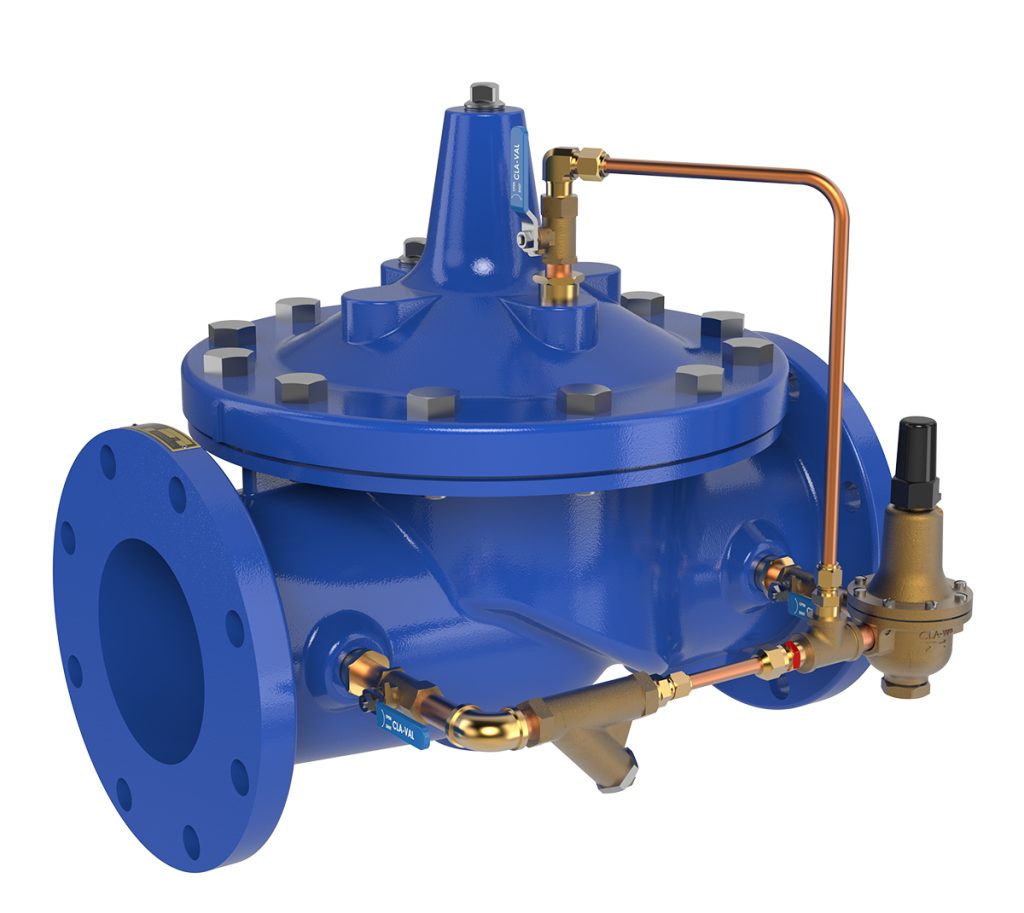
The core of a Pressure Regulator is its ability to maintain consistent downstream pressure despite fluctuating inlet conditions. BCST has perfected this technology in our dedicated factory through precision engineering. Our regulators feature a balanced poppet design with a sensitive diaphragm assembly that responds instantly to pressure changes, maintaining setpoint accuracy within ±1%. This innovative design eliminates pressure droop and hunting, drastically extending regulator life and ensuring stable performance, a hallmark of a leading manufacturer.
Maintain stable outlet pressure despite fluctuations in inlet pressure or flow rate variations.
Suitable for gases and liquids across a wide range of pressures and temperatures.
Robust materials and engineering ensure long service life in demanding environments.
Single-stage, multi-stage, and back-pressure options for diverse applications.
Compliance with ASME, API, ISO, and other international quality standards.
Comprehensive technical assistance for sizing, selection, and application optimization.
When specifying a Pressure Regulator, trust is paramount. Every BCST valve is built to exceed industry standards in our ISO 9001 certified factory. We hold crucial certifications including API 609, API 607 Fire Safe, and CE, guaranteeing our products are suitable for the most demanding services in oil & gas, chemical processing, and power generation. This commitment to certified quality is a core advantage of partnering with BCST.


El secreto de nuestro rendimiento superior reside en el ingenioso diseño de tres offset que elimina la fricción y garantiza un sellado hermético.
Simple, cost-effective pressure reduction for stable inlet conditions
Superior stability with varying inlet pressures and flow rates
Handles very high inlet pressures while maintaining stable low outlet pressure
Control upstream pressure to maintain constant pressure before the regulator.
Rango de presión
Temperatura
Tamaños
certificación
Datos técnicos completos y herramientas interactivas para ayudarle a seleccionar la válvula perfecta para su aplicación.
Elija el material adecuado para su aplicación en función de la temperatura, la presión y la compatibilidad con el medio.
| Material | Temperatura | Descripción |
|---|---|---|
| Latón | ≤200°C | Cost-effective, good corrosion resistance for most applications |
| SS304 / Stainless Steel 304 | ≤400°C | High-qualiExcellent corrosion resistance, food grade applications ty carbon steel casting |
| SS316 / Stainless Steel 316 | ≤400°C | Superior corrosion resistance, marine environments |
| SS316L / Stainless Steel 316L | ≤400°C | Low carbon, high purity applications |
| Aluminum / Aluminum Alloy | ≤150°C | Lightweight, good for pneumatic applications |
| Monel / Monel Alloy | ≤500°C | Excellent resistance to acids and alkalis |
| Hastelloy / Hastelloy C | ≤650°C | Superior resistance to aggressive chemicals |
Select the appropriate pressure range for your application requirements.
Low Pressure
HVAC, pneumatic tools, laboratory
Medium Pressure
Industrial processes, compressed air systems
Alta presión
Oil & gas, high-pressure testing, hydraulics
Ultra-High Pressure
Specialized industrial, research applications
Understanding key performance parameters for optimal regulator selection.
| Precisión | ±1-3% |
| Droop | ≤5% |
| Tiempo de respuesta | ≤1 second |
| Lock-up Pressure | 110-120% |
Drop in outlet pressure as flow increases
Pressure required to completely shut off flow
Difference in pressure with increasing vs. decreasing flow
Las válvulas BCST se fabrican conforme a las normas internacionales y nacionales chinas.
Pruebas en fábrica
Certificado
Años de experiencia
Our Pressure Regulator excel across demanding industrial sectors, providing reliable performance in the most challenging environments.
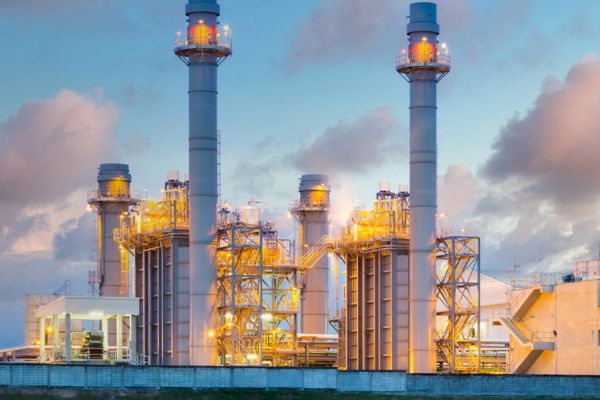
Esencial para sistemas de vapor, condensado y agua de refrigeración en centrales térmicas, nucleares y de ciclo combinado.
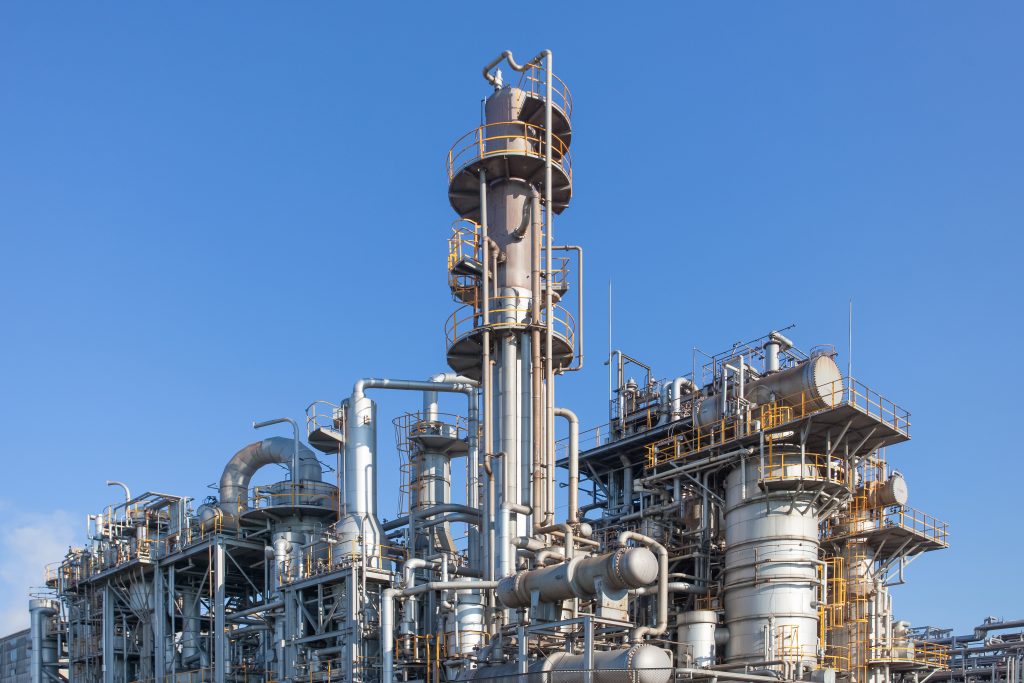
Esencial para sistemas de vapor, condensado y agua de refrigeración en centrales térmicas, nucleares y de ciclo combinado.
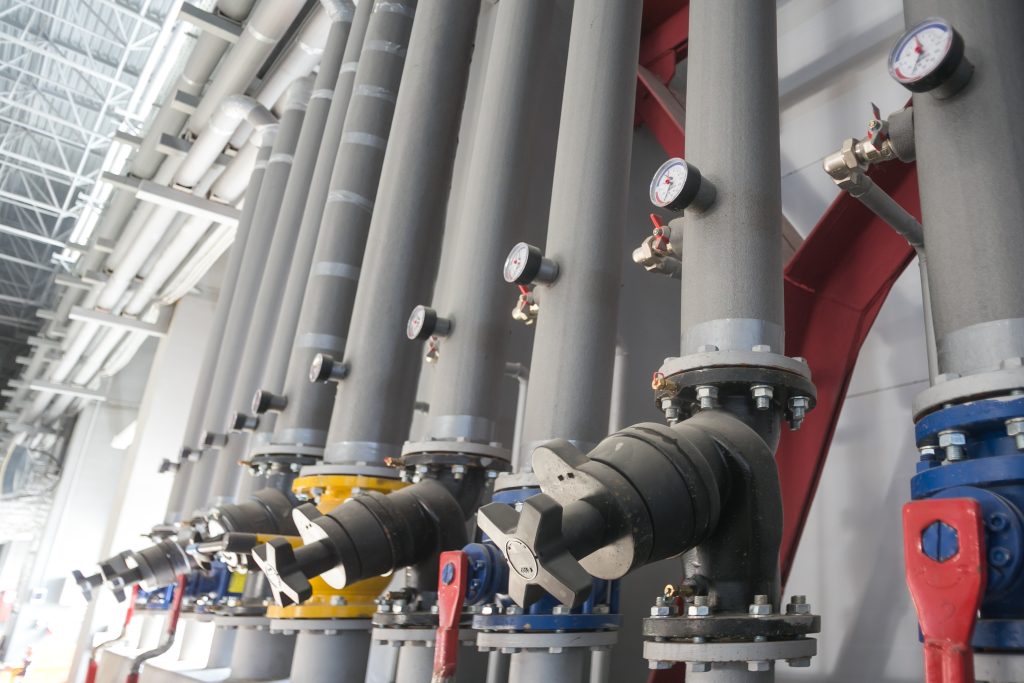
Manipulación de productos químicos agresivos, fluidos de gran pureza y lodos con una resistencia química superior.
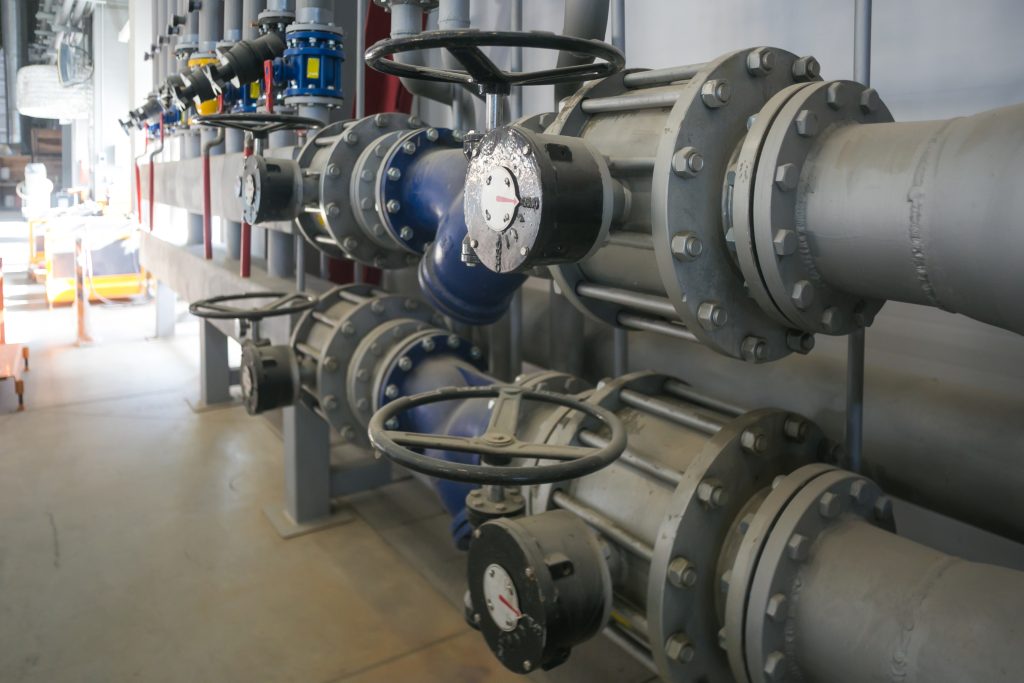
Tuberías de gran diámetro, estaciones de bombeo e instalaciones de tratamiento que requieren un aislamiento y control de caudal fiables.
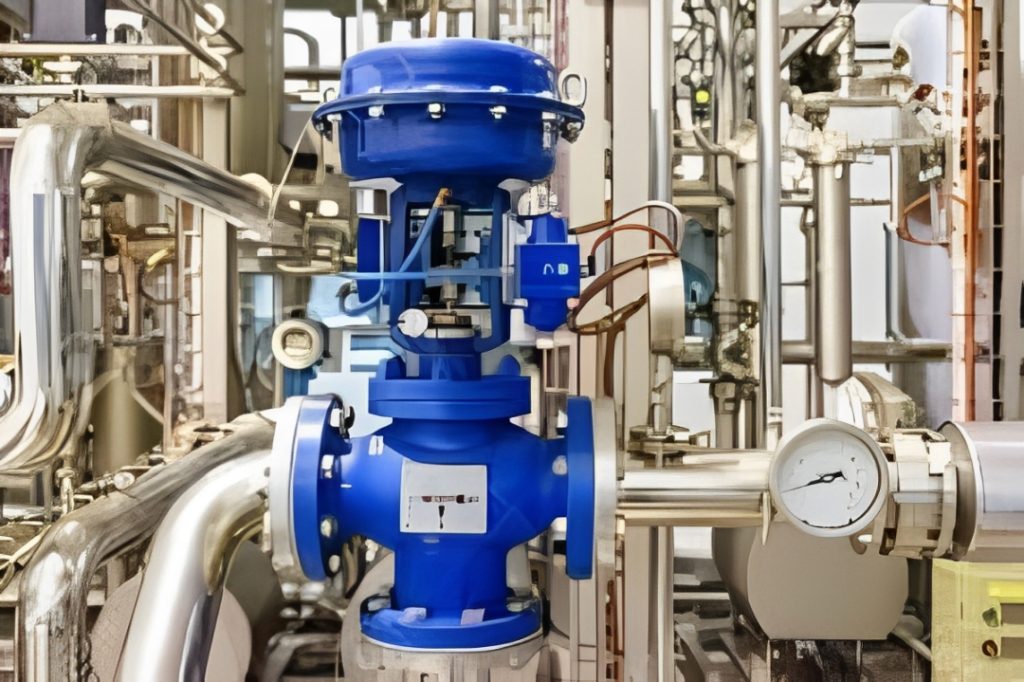
Sistemas de calefacción, ventilación y aire acondicionado a gran escala que proporcionan un control eficaz y preciso.

Alta temperatura, lodos abrasivos y medios corrosivos en altos hornos y procesamiento de minerales.
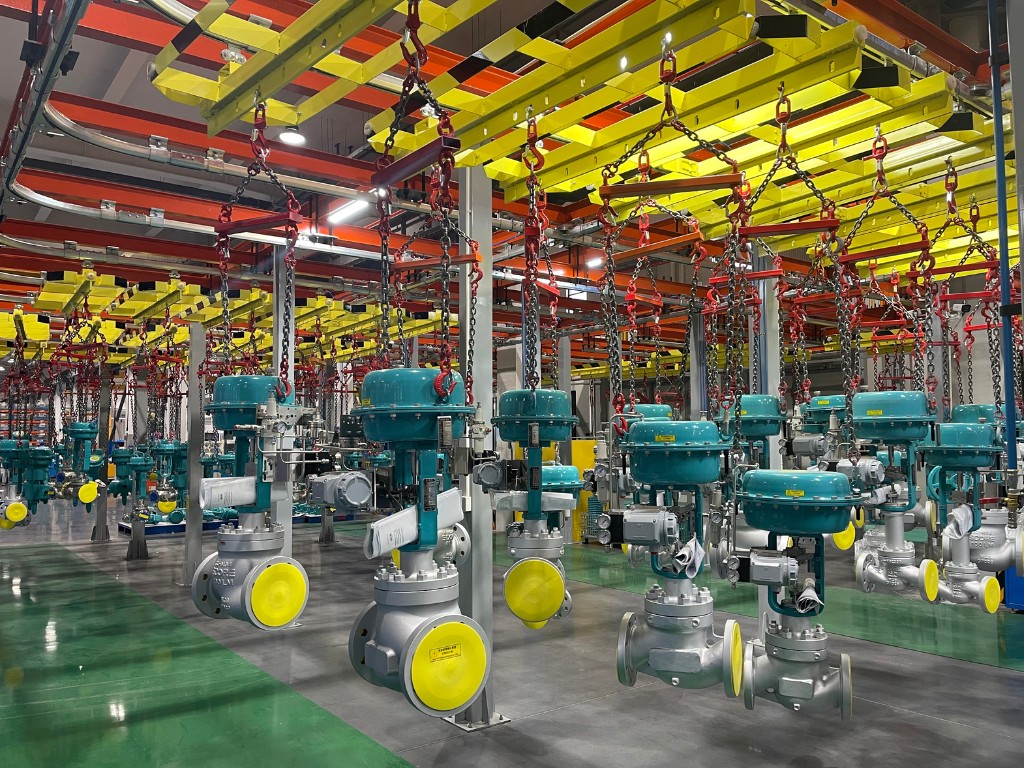
Como fabricante directo, BCST controla todo el proceso de producción, lo que nos proporciona importantes ventajas en cuanto a calidad, plazos de entrega y precios. Nuestra fábrica con certificación ISO 9001 garantiza que cada válvula cumpla los estándares más exigentes.
Marcas internacionales
Clientes satisfechos
Tasa de calidad
Choosing the correct regulator depends on several crucial factors. Consider the required inlet and outlet pressure ranges, the flow rate needed for your process, the specific medium (gas, liquid, steam, corrosive fluids), the operating temperature range, and the environmental conditions. BCST offers a variety of regulators compatible with diverse industrial applications.
BCST manufactures various types, including pressure-reducing regulators (to lower and stabilize downstream pressure) and back-pressure regulators (to maintain upstream pressure). These are widely used in industries like oil & gas, petrochemicals, water treatment, power generation, and more. BCST also offers customized solutions for specific needs.
If you encounter issues like high/low output pressure, slow response time, leaks, or freezing, first ensure the system is depressurized. Then, inspect the regulator’s visible parts for damage or corrosion and check internal components like the diaphragm and seat for wear. Clean any blockages and ensure the pressure setting is correct. Refer to the specific BCST product manual for detailed troubleshooting steps, and seek professional help if necessary.
Improper sizing or setting can lead to serious consequences. An undersized regulator can result in insufficient flow and faster seat erosion, while an oversized one can cause pressure instability, noise, and premature failure. Correct sizing is essential for optimal performance, safety, and longevity of both the regulator and downstream equipment.
Regular maintenance is crucial for ensuring reliability and extending the lifespan of your BCST regulator. This includes: Regularly checking for leaks and replacing worn seals or washers. Inspecting internal components (diaphragms, springs) for wear. Cleaning and lubricating components according to manufacturer guidelines. Monitoring output pressure regularly using a calibrated gauge. Scheduling professional inspections and servicing. BCST focuses on high quality control throughout the manufacturing process, from raw materials to testing, which contributes to the reliability of their products.
Uncontrolled pressure is a hidden danger in any fluid or gas system. It can lead to equipment damage, inefficient processes, and even serious safety hazards. You need a reliable way to manage this pressure consistently.
A pressure regulator is a valve that automatically reduces a high, often fluctuating, inlet pressure to a steady, lower outlet pressure. It ensures that equipment downstream receives the correct, constant pressure it needs to operate safely and effectively, regardless of what’s happening upstream.
Hassan, my chief engineer, once told me, “Think of a pressure regulator as a translator. It takes the chaotic, high-pressure language from the source and translates it into a calm, steady language your equipment can understand.” I saw this in action at a new plant where a sensitive analyzer kept giving erratic readings. Hassan immediately diagnosed the issue: no pressure regulator on the gas supply line. Once we installed one, the readings stabilized. It’s a purely mechanical device that acts as the constant guardian of your system’s pressure, ensuring everything runs smoothly and predictably.
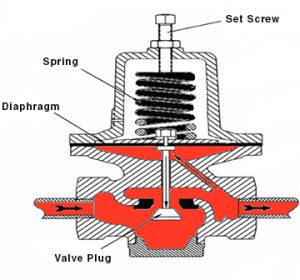
Can a simple mechanical device really balance a powerful, fluctuating force? The genius of a pressure regulator lies in its continuous, automatic balancing act between internal forces.
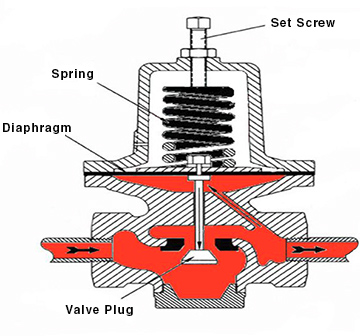
A regulator works by using a sensing element, like a diaphragm or piston, which is pushed on by the downstream pressure. This upward force is opposed by a loading element, typically a spring, which is set to the desired outlet pressure. These two forces constantly adjust a valve plug, controlling the flow to maintain a perfect pressure balance.
I’ll never forget how Hassan explained this to me using his hands. He pressed one hand up (the outlet pressure) and the other hand down (the spring). “When the pressure downstream gets too high,” he said, pushing his bottom hand up harder, “it closes the valve. When the pressure drops because the equipment is using more gas, the spring takes over,” and he pushed his top hand down, “opening the valve wider.” This constant push and pull is what makes the regulator so effective. It’s a self-contained feedback loop that doesn’t need any external power. This simple, reliable mechanism is why regulators are essential in countless applications, from household gas grills to complex industrial chemical plants.
Componente | Función | Cómo funciona |
Loading Element (Spring) | Sets the desired outlet pressure. | You adjust a screw to compress the spring, creating a downward force. |
Sensing Element (Diaphragm) | Detects the actual outlet pressure. | The downstream pressure pushes up on the diaphragm, creating an upward force. |
Restrictive Element (Valve) | Controls the flow of gas or liquid. | The balance between the spring and diaphragm moves a plug to open or close the valve. |
Do you think a single type of regulator can handle every job? From simple home use to high-pressure industrial systems, different applications require specialized regulator designs to ensure safety and stability.
The main categories are pressure-reducing regulators and back-pressure regulators. Pressure-reducing regulators, the most common type, control downstream pressure. Back-pressure regulators do the opposite; they control upstream pressure. Within these categories, you’ll find single-stage, two-stage, and pilot-operated designs, each offering different levels of precision and stability.
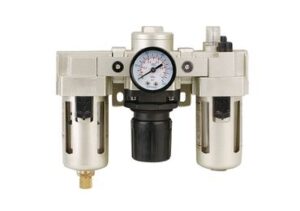
During a project audit, Hassan pointed out that the team had used a standard single-stage regulator for a sensitive laboratory gas chromatograph. “This won’t work,” he said. “As the gas cylinder empties, the inlet pressure will drop significantly, and a single-stage regulator will allow the outlet pressure to creep up. This will ruin their test results.” He specified a two-stage regulator instead. The first stage takes the high cylinder pressure and reduces it to an intermediate level. The second stage then reduces that stable intermediate pressure to the final, precise outlet pressure. This two-step process provides a very stable output, even as the main supply pressure changes. For other high-flow applications, he might choose a pilot-operated regulator, which uses system pressure to help open the main valve for more precise control. Choosing the right type is critical for performance.
What silent issues could be compromising the stability and safety of your system? A pressure regulator can fail from contamination, wear and tear, or improper sizing, leading to dangerous pressure fluctuations.
The most common failure modes are pressure creep, where outlet pressure slowly rises above the setpoint, and droop, where the pressure falls as flow demand increases. Creep is often caused by debris getting trapped in the valve seat, preventing it from closing fully. Droop is usually a sign that the regulator is too small for the application. Other failures can result from worn-out diaphragms or seals, corrosion, or simple old age.
Hassan once had me investigate a recurring issue in one of our older facilities where the downstream pressure was consistently too high. We discovered that tiny rust particles from the aging pipes were getting stuck in the regulator seats. “This is called creep,” Hassan explained. “The valve can’t seal properly, so gas is always leaking through, slowly raising the downstream pressure. If something downstream isn’t rated for that pressure, you have a serious problem.” The solution was installing a filter just before the regulator. We also found a different regulator that was “drooping” significantly under high demand. It was simply undersized for the flow rate the process required. These experiences taught me that a regulator’s failure is often a symptom of a larger system issue, like contamination or incorrect specification. Regular inspection and proper sizing are key to long-term reliability.
A pressure regulator is a vital component for maintaining safe, stable, and efficient operation in any system that uses pressurized liquids or gases. Its reliability depends on selecting the right type for the job, ensuring proper installation, and monitoring for common signs of failure.
Tell us your specs; our engineer will reply within 24 hours.
 English English
 Arabic
 Russian
 French
 Spanish