
1. Resistencia a la corrosión
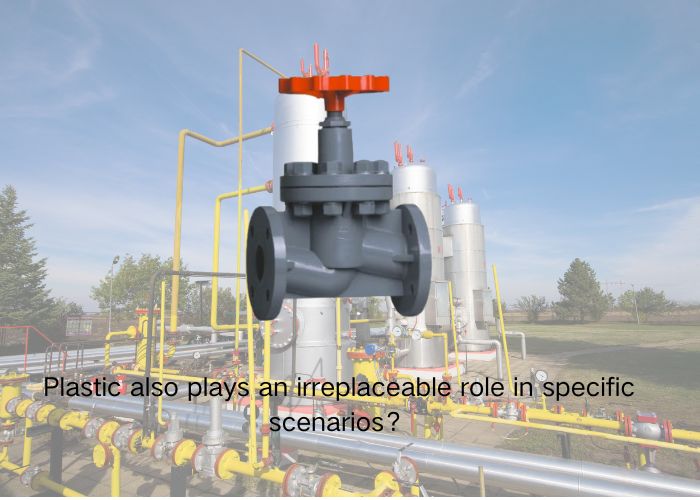
Plastic valves have excellent resistance to corrosion, especially when handling chemicals, acids, bases, and other corrosive media. Unlike metal valves, plastic valves are not prone to rust, corrosion, or oxidation, making them ideal for use in industries such as chemicals, food processing, and power generation.
2. Light Weight
Plastic is much lighter than metals, making plastic valves easier to handle and install. In applications where valves are used in large quantities (e.g., piping systems, industrial equipment), plastic valves can significantly reduce the overall weight of the system.
3. Good Insulating Properties
Plastic is an excellent electrical insulator, which makes plastic valves suitable for use in electrical facilities and environments where electrical conductivity must be avoided. They do not suffer from electrochemical corrosion and prevent electrical issues that may arise with metal valves.
4. Chemical Resistance
Plastic valves are particularly suitable for handling highly corrosive chemicals and solvents. Certain plastics, such as polypropylene (PP), polyvinyl chloride (PVC), and fluoroplastics (e.g., PTFE), remain stable when exposed to strong acids, strong bases, and organic solvents, making them ideal for chemical processing industries.
5. Relación coste-eficacia
While plastic valves perform well, they are typically more cost-effective than metal valves, especially in low to medium-pressure fluid control systems. This makes plastic valves an ideal choice for applications where cost sensitivity is a priority.
6. UV and Weather Resistance
Some high-quality plastic valves have good resistance to UV radiation and aging, allowing them to be used outdoors or in harsh environmental conditions without degrading. This ensures stable performance over extended periods in challenging environments.
7. High-Temperature Resistance (Certain Plastics)
Certain engineering plastics, like PTFE and PFA, offer excellent high-temperature resistance and can withstand high-temperature environments without softening, warping, or losing performance.
8. Ease of Machining
Plastic valves are easy to machine and fabricate, allowing for the production of complex shapes and designs. This makes them an attractive option for applications that require precise dimensions or specialized forms, and they are generally less expensive to produce compared to metal valves.
9. Good Sealing Performance
Plastic valves typically provide excellent sealing performance, especially in applications that require high-precision sealing. This makes them ideal for fluid control systems where leakage must be minimized.
10. Wide Applicability
Plastic valves are widely used in water treatment, chemical industries, wastewater treatment, food and beverage processing, and any industry that deals with corrosive media or low-pressure systems.
Common Types of Plastic Valves:
- PVC Valves: Ideal for chemical processing, water treatment, and low-pressure systems.
- PP Valves: Suitable for handling corrosive media, commonly used in chemical plants.
- PVDF Valves: Used in highly corrosive environments, suitable for aggressive chemicals.
- PTFE Valves: Known for extreme chemical resistance and high-temperature capabilities, often used in specialized industries.
Conclusión
Plastic valves are ideal for applications requiring corrosion resistance, light weight, good sealing, and cost-effectiveness. With their excellent chemical resistance, sealing properties, and ease of fabrication, plastic valves are commonly used in industries that handle corrosive or specialized media. They are an indispensable choice for industries like chemical processing, water treatment, and food manufacturing.


 English
 Arabic
 Russian
 French
 Spanish