
You need a new valve. You hear the term válvula de mariposa and think it sounds simple and cost-effective. But you’re worried. Is it reliable enough for your process? Will it leak? You see different types like “double offset” and “triple offset,” and now you’re not sure which to choose.
This an is a common problem. Choosing the wrong válvula de mariposa can lead to leaks, poor flow control, and unexpected downtime. A valve that isn’t rated for your pressure could fail catastrophically. A valve with the wrong seat material could be destroyed by your process fluid in a matter of weeks. The “simple, cheap” choice can quickly become a very expensive mistake.
A válvula de mariposa is a versatile and efficient rotary valve used for both on/off and throttling services. It provides reliable flow control in a compact, lightweight design. The key is selecting the correct type, materials, and actuator for your specific application, ensuring performance and longevity.
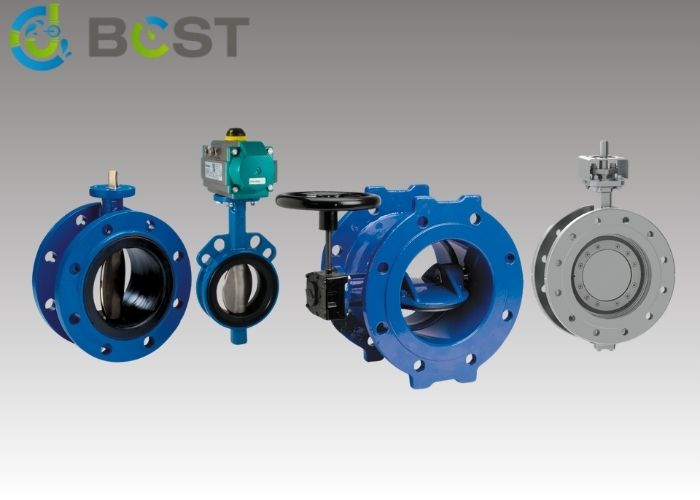
From my first days on the factory floor at BCST, the company my father founded, I learned a crucial lesson: the right valve isn’t just about meeting a spec, it’s about preventing a future problem. I’ve seen clients save a few hundred dollars on a cheap válvula de mariposa only to spend thousands on emergency repairs and lost production. Let’s make sure that doesn’t happen to you.
What Are the Different Types of Butterfly Valves?
You hear “válvula de mariposa” and think it’s one simple thing. But then you see terms like “resilient-seated,” “double offset,” and “triple offset.” Now you’re confused and worried about picking the wrong one for your high-pressure line or critical shutoff needs.
This confusion is normal, but the differences are critical. Using a basic válvula de mariposa in a high-pressure steam line is a recipe for disaster. The different designs exist to handle progressively more demanding applications, from simple water lines to severe industrial services.
The main types are centerline, double offset, and triple offset. A centerline válvula de mariposa is for simple on/off. Double offset handles higher pressures and offers better control. A triple offset válvula de mariposa is for critical service with high pressure, high temperature, and zero leakage requirements.
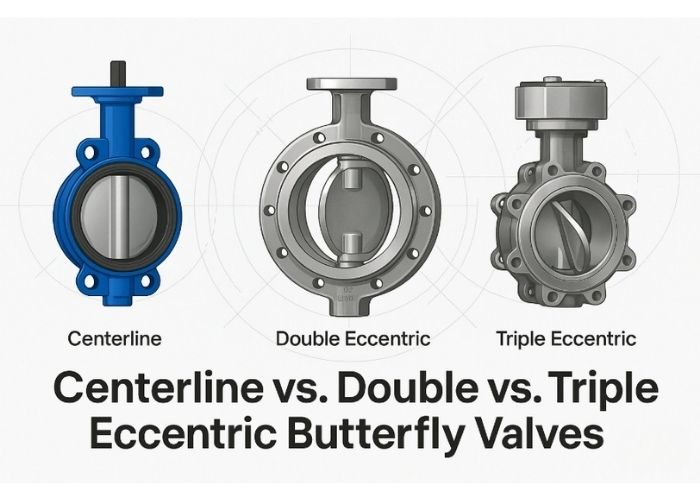
Each type of válvula de mariposa is designed to solve a specific problem. Understanding them will help you make a smarter choice.
| Tipo | Features & Best Use |
|---|---|
| Centerline Butterfly Valve | The simplest design. The stem is centered in the disc, and the disc is centered in the pipe. It relies on a soft, resilient seat for sealing. Best for low-pressure on/off applications like water distribution. It’s the most cost-effective válvula de mariposa. |
| Double Offset Butterfly Valve | The stem is offset from the center of the disc and the center of the pipe. This “double offset” creates a cam action, causing the disc to swing away from the seat as it opens. This reduces wear and allows it to handle higher pressures and offer good throttling control. It is often called a high-performance válvula de mariposa. |
| Válvula de mariposa de triple offset | This adds a third offset: the seat and sealing ring have an angled, conical shape. This design completely eliminates friction between the disc and seat during operation. The disc only makes contact at the final moment of closing, providing a bubble-tight metal-to-metal seal. This is the ultimate válvula de mariposa for high pressure, high temperature, and critical applications. |
Is a Butterfly Valve Really Better Than a Gate Valve?
You have a large pipeline that needs a shutoff valve. The old-school engineer on your team swears by gate valves. But the project specs call for a válvula de mariposa. You’re caught in the middle, unsure which one is truly the right tool for the job.
This is a classic debate. Both are excellent valves, but they have different strengths. A gate valve is like a guillotine, offering an unrestricted flow path when fully open. A válvula de mariposa is like a damper in a chimney, with the disc always present in the flow.
Neither is “better”; they are for different jobs. A válvula de mariposa is superior for throttling, is more compact, and costs less. A gate valve is ideal for full on/off service in large lines where minimal pressure drop is essential and the valve is operated infrequently.
Here’s a side-by-side look at how they stack up:
| Aspecto | Válvula de mariposa | Válvula de compuerta |
|---|---|---|
| Controlar | Good for both on/off and throttling (flow control). Fast-acting. | Best for fully open or fully closed service. Poor for throttling. |
| Tamaño y peso | Very compact and lightweight. Ideal for tight spaces. | Tall and heavy, requiring significant space and support. |
| Coste | Generally lower initial cost and installation cost. | More expensive, especially in larger sizes. |
| Caída de presión | The disc creates some pressure drop even when fully open. | Minimal pressure drop when fully open. |
| Aplicación | Water/wastewater, chemical processing, HVAC, where space and cost are factors. | Oil and gas, large water mains, where unobstructed flow is critical. |
I once met a plant manager who replaced all his large gate valves with a high-performance válvula de mariposa solution. He not only saved space and money on the initial purchase but also gained the ability to better regulate flow, which improved his process efficiency.
How Do You Choose the Perfect Butterfly Valve?
Choosing a válvula de mariposa feels overwhelming. You’re juggling pressure ratings, body materials, seat types, and actuators. You’re worried that one small oversight will lead to a valve that fails prematurely or just doesn’t perform as you need it to.
Getting this wrong is expensive. The wrong seat material can degrade in days. The wrong actuator can be too slow for your process. To avoid this, you need a systematic approach.
To choose the right válvula de mariposa, you must consider six key factors. You need to look at the function, the media, the environment, the connection type, the pressure drop, and the operation speed. Matching these to your application is the absolute key to success. At BCST, this is the process we walk every client through.
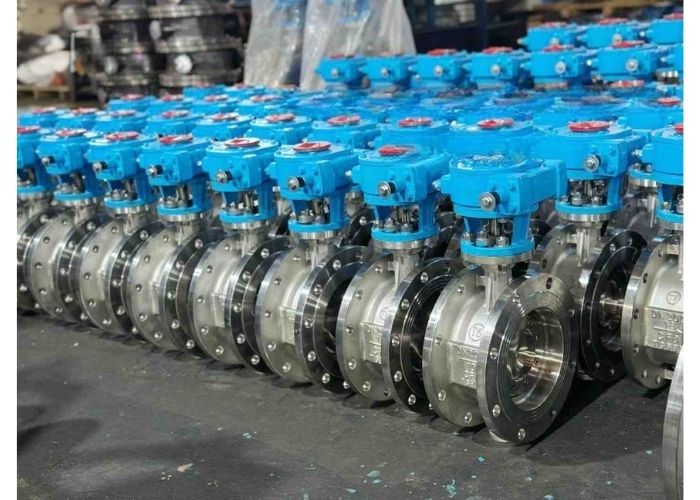
Let’s break down these six critical factors.
1. Function (Body Type)
What do you need the valve to do?
- On/Off: A centerline válvula de mariposa is often sufficient and highly cost-effective.
- Flow Control/Throttling: You need a high-performance double offset or a triple offset válvula de mariposa. Their design provides more stable control and resists wear from constant movement.
2. Environment (Body Material)
Where will the valve live?
- Standard Service: Ductile iron or carbon steel bodies are common, economical choices for general industrial use.
- Corrosive or High Temp: You need to upgrade. Stainless steel or special alloy steel bodies are necessary to resist corrosion and maintain structural integrity at high temperatures.
3. Media (Seat Material)
What is flowing through the pipe?
- Gas: You need a low leakage rate. This often means a soft-seated válvula de mariposa or a triple offset design.
- Líquido: A tight seal is important. Resilient seats (like EPDM or BUNA-N) are great for water, while PTFE is better for chemicals.
- Slurry: Abrasive media will shred a soft seat. You need a metal-to-metal seating design, like that found in a triple offset válvula de mariposa, to resist wear.
4. Connection Type
How will it attach to the pipe?
- Wafer: The most common and economical. The valve body is sandwiched between two pipe flanges.
- Lug: The valve body has threaded lugs that align with the bolt holes of the pipe flange. This allows for dead-end service, where you can remove piping from one side while the valve holds back pressure.
- Flanged: The valve has its own flanges that bolt directly to the pipe flanges. This is a more robust but also more expensive and bulky design for a válvula de mariposa.
5. Pressure Drop (Valve Size)
How much pressure can you afford to lose? The válvula de mariposa creates a pressure drop, which needs to be accounted for in your system design. A valve that is too large will have poor control. A valve that is too small will choke the flow. Sizing is a critical step, especially for control applications.
6. Operation Speed (Actuator Type)
How a fast does it need to open or close?
- Fast Closing: A pneumatic or hydraulic actuator with a solenoid valve is the fastest option.
- General Modulating or On/Off: An electric actuator provides precise control and is a great choice when you don’t have an air supply.
- Manual: A simple worm gear and handwheel is used for valves that are operated infrequently.
Preguntas frecuentes
Can butterfly valves be used to control flow?
Yes, absolutely. While simple centerline valves are best for on/off, high-performance double offset and triple offset designs are excellent for throttling and precisely regulating flow, pressure, and temperature.
Do butterfly valves need lubrication?
It depends. Many modern resilient-seated butterfly valves are designed to be maintenance-free. However, some high-performance types, especially those with gear operators in harsh environments, may require periodic lubrication. Always follow the manufacturer’s guide.
How long does a butterfly valve last?
With proper selection and maintenance, a quality válvula de mariposa can last for many years, often for hundreds of thousands of cycles. Service life depends heavily on the application, media, and how often it is operated.
How do you maintain a butterfly valve?
Maintenance is simple. Regularly inspect the seals and actuator for leaks or damage. Clean the valve exterior. For valves that require it, lubricate the gearbox or stem according to the manufacturer’s schedule. A little care goes a long way.
Conclusión
A válvula de mariposa is a powerful, cost-effective, and reliable tool for flow control. By understanding the different types and carefully considering the key selection factors, you can choose a valve that will provide years of excellent service. Don’t let the “simple” appearance fool you; making the right choice is a critical engineering decision. For any custom needs, consulting an expert is always the best path forward.


 English
 Arabic
 Russian
 French
 Spanish