
Why is My Air Compressor Pressure Relief Valve Leaking or Popping Early? (And How to Fix It)
A persistent hiss or an unexpected “pop” from your air compressor pressure relief valve can be alarming. Not only does a leaking valve waste valuable compressed air, but an early-popping valve can indicate a serious safety issue or a critical system malfunction. The problem isn’t always the relief valve itself; often, the blame lies elsewhere, leading to costly misdiagnoses and unnecessary replacements.
This troubleshooting guide is designed for technicians and operators facing these common issues. We’ll help you pinpoint exactly why your air compressor pressure relief valve is leaking or activating prematurely. We’ll distinguish between actual relief valve failures and a malfunctioning unloader valve, providing a clear test to determine how do I know if my air compressor unloader valve is bad? Learn to identify the root cause, understand when cleaning is a risk, and prevent costly, unnecessary maintenance for this critical component of your system’s pressure relief valve safety standards.
En air compressor pressure relief valve leaking or activating early can be due to internal seat debris, a fatigued spring, or actual overpressure. However, a common misdiagnosis is a failing unloader valve causing pressure to leak back into the receiver after shutdown, mimicking a relief valve leak.
1. Top 3 Reasons for a Leaking Safety Valve (Dirt, Fatigue, Overpressure)
If your air compressor pressure relief valve is leaking, it’s typically due to one of three primary reasons affecting the valve’s integrity or application:
Common Causes of Relief Valve Leakage
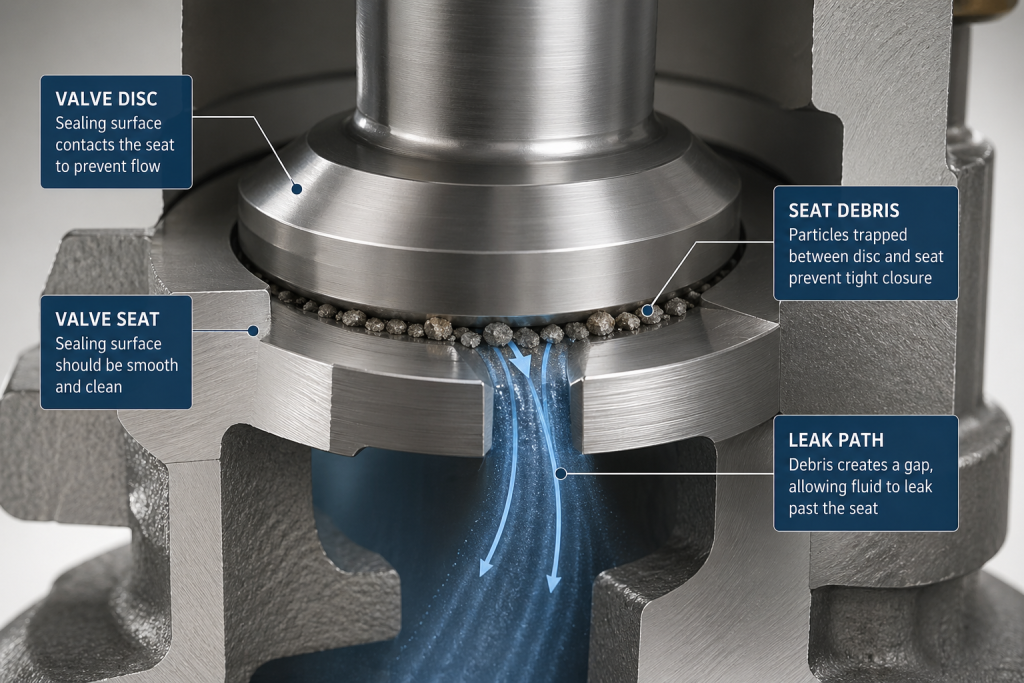
- Seat Debris: The most common cause. Tiny particles of rust, carbon, or pipe scale can get trapped between the valve’s seat and disc, preventing a tight seal. This results in a continuous, small air leak.
- Spring Fatigue/Damage: The spring inside the PRV maintains the sealing force against the set pressure. Over time, excessive heat cycling, corrosion, or repeated activations can weaken or damage the spring, causing it to lose tension and leak below its set pressure.
- Actual Overpressure: The valve is actually doing its job, opening because the system pressure has exceeded its set point. If the leak is a more aggressive “pop” that reseats and then pops again, it might indicate an underlying issue with the compressor’s primary pressure controls.
2. The Critical Distinction: Is it the Relief Valve or the Unloader Valve?
One of the biggest troubleshooting headaches, and a common “search gap” in online queries, is confusing a leaking pressure relief valve with a faulty unloader valve. The symptoms can be very similar, but the root cause and solution are entirely different.
Unloader Valve Function
The unloader valve’s role is to release pressure from the compressor’s head and discharge line when the motor stops, allowing the compressor to restart against minimal head pressure. This feature is common in piston compressors. Crucially, it works in conjunction with a check valve, which prevents air from flowing back out of the receiver into the discharge line.

Si el válvula antirretorno fails (gets stuck open or leaks), air from the receiver will leak back into the discharge line. This buildup of pressure can then escape through the unloader valve‘s exhaust port, mimicking the sound of a air compressor pressure relief valve leaking when it isn’t. This specific issue is often what technicians are trying to diagnose when they search for how do I know if my air compressor unloader valve is bad?
3. How Do I Know if My Air Compressor Unloader Valve is Bad? (The “Check Valve Leakback” Test)
The key to differentiating between a leaking relief valve and a faulty unloader/check valve assembly lies in careful observation and a simple test.
The 5-Minute Diagnostic Test
- Fully Pressurize the Tank: Let your compressor run until it reaches its cut-out pressure and the motor stops.
- Listen for the Hiss: Immediately after the compressor stops, listen carefully. If the hiss comes from the pressure relief valve, proceed to the next step. If it comes from the unloader valve (a small vent, usually near the pressure switch and discharge pipe), then your unloader/check valve assembly is likely the culprit.
- Shut Off Receiver Discharge: Close the ball valve (or any shut-off valve) immediately after the air receiver, isolating the tank from the rest of the system.
- Observe Pressure Gauge and Listen:
- If the tank pressure holds steady and the relief valve stops leaking: The unloader/check valve assembly is faulty, allowing tank pressure to leak back into the head. The sound was actually coming from the unloader or a related bleed device.
- If the tank pressure continues to drop and the relief valve actively leaks: The air compressor pressure relief valve itself is indeed faulty and requires attention.
4. Troubleshooting “Early Popping”: When the Spring Loses Tension or System Overpressures
En air compressor pressure relief valve popping early is a serious safety concern that demands immediate investigation, as it indicates potentially dangerous system overpressure or a faulty valve.
Diagnosing Premature Relief Valve Activation
- Verify Pressure Gauge Accuracy: The first step is to confirm that your primary pressure gauge is accurate. Use a calibrated secondary gauge to verify the tank pressure when the PRV activates. If the gauge reads below the PRV’s set pressure, the gauge might be faulty.
- Check Compressor Pressure Switch: The pressure switch is responsible for telling the compressor to cut out (stop compressing) when desired pressure is reached. If it’s malfunctioning or miscalibrated, it could allow the pressure to exceed the PRV’s set point before the compressor shuts off.
- Relief Valve Internal Issue: If the gauge is accurate and the pressure switch is functioning, then the relief valve’s internal spring may have weakened or corroded, causing it to open below its factory-set pressure. This is a common cause for relief valve spring fatigue.
5. Can You Clean a Leaking Valve? (And why it’s usually not worth the risk)
While the temptation to “fix” a leaking valve by cleaning it exists, it’s generally ill-advised for a crucial safety device like an air compressor pressure relief valve.
Why Replacement is Often the Safest Option
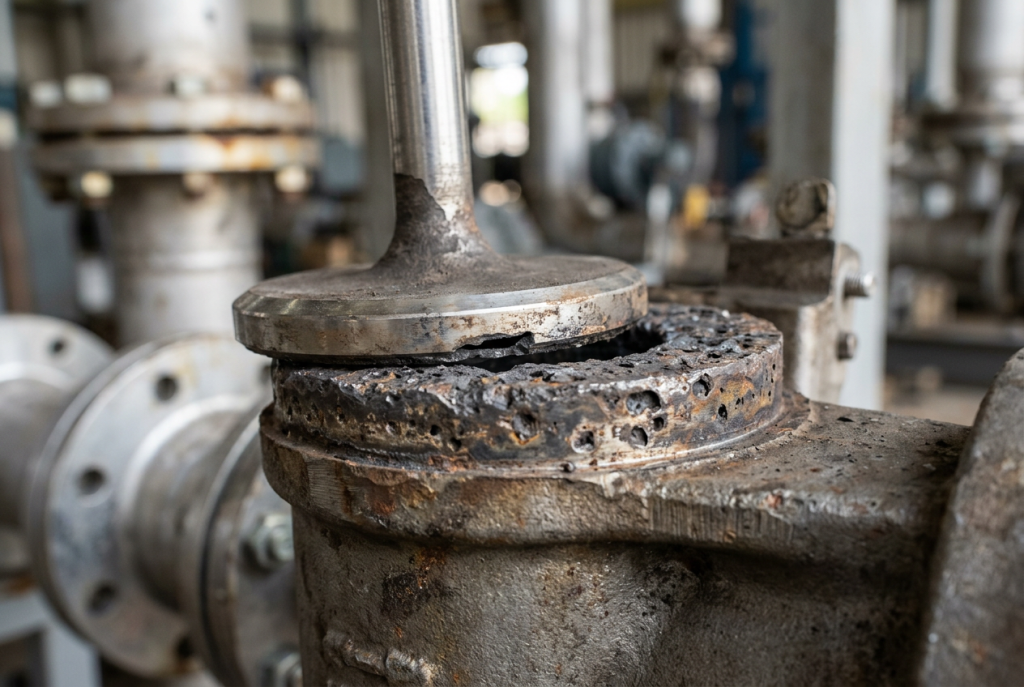
- Compromised Integrity: If a valve is leaking due to debris, there’s often microscopic pitting or damage to the seat that cannot be effectively repaired by simple cleaning.
- Risk of Malfunction: Tampering with a safety valve (disassembling it for cleaning) can introduce new contaminants or compromise the spring’s tension, leading to unpredictable operation or complete failure.
- Loss of Certification: Most pressure relief valves are stamped with ASME certification. Disassembling or modifying them voids this certification, potentially leading to compliance issues and serious liability risks.
- Cost vs. Safety: The cost of a new, factory-set, and certified air compressor pressure relief valve is typically very low compared to the potential consequences of a safety failure. In almost all cases, a leaking or suspicious relief valve should be replaced. This is a clear sign it’s time for a replacement.
6. FAQ on Leaking Pressure Relief Valves
How can I temporarily stop a leaking pressure relief valve?
Never attempt to plug, clamp, or otherwise tamper with a leaking pressure relief valve to stop the leak. This is extremely dangerous. The only safe actions are to identify the root cause (as outlined above), lower system pressure, and replace the faulty component. If the relief valve is actively leaking, depressurize the system immediately.
Are air compressor pressure relief valves repairable?
In general, for typical air compressor applications, these valves are considered non-repairable and are designed for replacement. Specialized industrial PRVs for critical processes may be factory-repairable by certified shops, but not typical air compressor safety valves due to their design and cost-effectiveness.
What is the “chatter” I hear from my relief valve?
Chatter (rapid opening and closing) can occur if the valve is improperly sized, if there’s excessive backpressure in the discharge line, or if the inlet piping is too long or restrictive. It can also happen if the system capacity is too small relative to the valve’s relieving capacity. Chatter accelerates wear and should be investigated.
Conclusion: Diagnose Safely, Act Decisively
A leaking or early-popping air compressor pressure relief valve is more than just an annoyance—it’s a critical indicator that demands immediate attention. By understanding the key differences between relief valve failure and a faulty unloader valve, you can accurately diagnose the issue without risking system integrity or personal safety.
At BCST Valve, we provide high-quality, factory-set, and ASME-compliant pressure relief valves that you can trust. When diagnosis points to a faulty relief valve, our products offer the reliability and peace of mind your operations require. Don’t compromise on safety; choose a certified replacement.
Suspect a Faulty Pressure Relief Valve?
Ensure compressed air system safety with a certified, reliable replacement from BCST Valve.


 English
 Arabic
 Russian
 French
 Spanish