
¿Por qué es clave el núcleo de la válvula?
¿Por qué es clave el núcleo de la válvula?

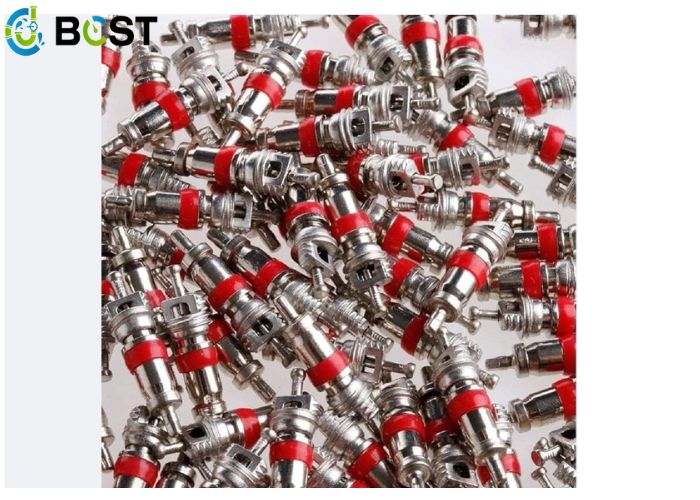
En válvula core (also known as the plug or disc) is a crucial component of a valve, playing a key role in regulating and controlling the flow of fluid. Its design and operation directly influence the performance and functionality of the valve. Here are the primary functions of the valve core in a valve:
1. Regulating Fluid Flow
The valve core adjusts the flow of fluid by changing the opening of the flow channel. As the valve core moves, it modifies the cross-sectional area through which the fluid passes, thereby controlling the flow.
2. Adjusting Fluid Pressure
In some valve types, such as control valves, the movement of the valve core alters the fluid’s velocity and flow rate, which helps regulate the system’s pressure to ensure stable operation.
3. Changing Fluid Direction
In multi-way or directional control valves, the valve core switches fluid pathways, altering the flow direction. It is frequently used in hydraulic and pneumatic systems to change the direction of liquid flow.
4. Enabling Shut-Off Functionality
In valves like globe valves or ball valves, the valve core can completely open or close the flow path, allowing the fluid to either flow freely or be fully isolated.
5. Enhancing Sealing Performance
The valve core typically works in conjunction with the valve seat to form a sealing surface. A well-designed valve core ensures high sealing performance, preventing fluid leakage, especially in high-pressure or high-temperature environments.
6. Special Control of Fluid Properties
Certain valve cores are specifically designed to handle unique fluid characteristics, such as corrosive liquids or high-temperature gases, to optimize performance. For example:
- Throttling valve cores are designed for precise flow control.
- Valve cores made from special materials resist corrosion or high temperatures.
Types of Valve Cores
Valve cores can be categorized based on the type and function of the valve, including:
- Ball Cores: Used in ball valves to control flow by rotation.
- Conical Cores: Found in needle valves or control valves for precise flow adjustments.
- Piston/Plunger Cores: Common in hydraulic control or spool valves, operating via linear motion.
- Butterfly Cores: Used in butterfly valves to regulate flow by rotational motion.
Resumen
The valve core is the central component that enables the valve to perform its control functions. Its main roles include regulating flow, pressure, and direction, as well as providing shut-off and sealing capabilities. The design process and material selection of the valve core directly affect the use time and applicable scenarios of the valve.Choosing the right type and material of valve core for a specific system is critical to ensuring efficient and stable valve operation.


 English
 Arabic
 Russian
 French
 Spanish