
Is Your Old Ball Valve a Shutdown Waiting to Happen?
It’s 3 PM on a Friday. The week is finally winding down when the call comes in: a critical section of the pipeline needs emergency maintenance over the weekend. You immediately picture the scene: a long, complicated process of trying to safely drain the line, the risk of pressurized fluid, the extra hours for the crew, and the headache of it all. You lean back in your chair and think, “There has to be a better way.”
If that scenario feels familiar, you’re not alone. In the world of fluid control, we often rely on tried-and-true components. But sometimes, a small upgrade can make a world of difference. That brings us to a question we hear all the time here at BCST Valve: Should I stick with my traditional ball valves, or is it finally time to upgrade to a model with a drain port?
Forget the dense technical manuals for a moment. Let’s have a real conversation about the ball valve vs. drain valve debate and figure out if this simple upgrade can save you time, money, and a whole lot of stress.
Understanding the Limitations of the Standard Ball Valve
Let’s be honest, the traditional ball valve is the workhorse of our industry for a reason. It’s simple, it’s tough, and it does its job. Think of it like a light switch: a quick quarter-turn and the flow is on or off. Simple as that.
What we love about it:
- It’s incredibly reliable. Fewer moving parts mean fewer things can go wrong.
- It’s budget-friendly. You get great performance without breaking the bank.
- It gets a great seal. When it’s closed, it’s closed tight.
But here’s the hidden catch, the one that causes those Friday afternoon headaches: when you close that valve, a little bit of whatever is in your pipe gets trapped inside the valve’s body. It’s stuck. And that trapped fluid is more than just an inconvenience; it can be a real problem.
How a Ball Valve with a Drain Port Enhances Valve Safety and Functionality
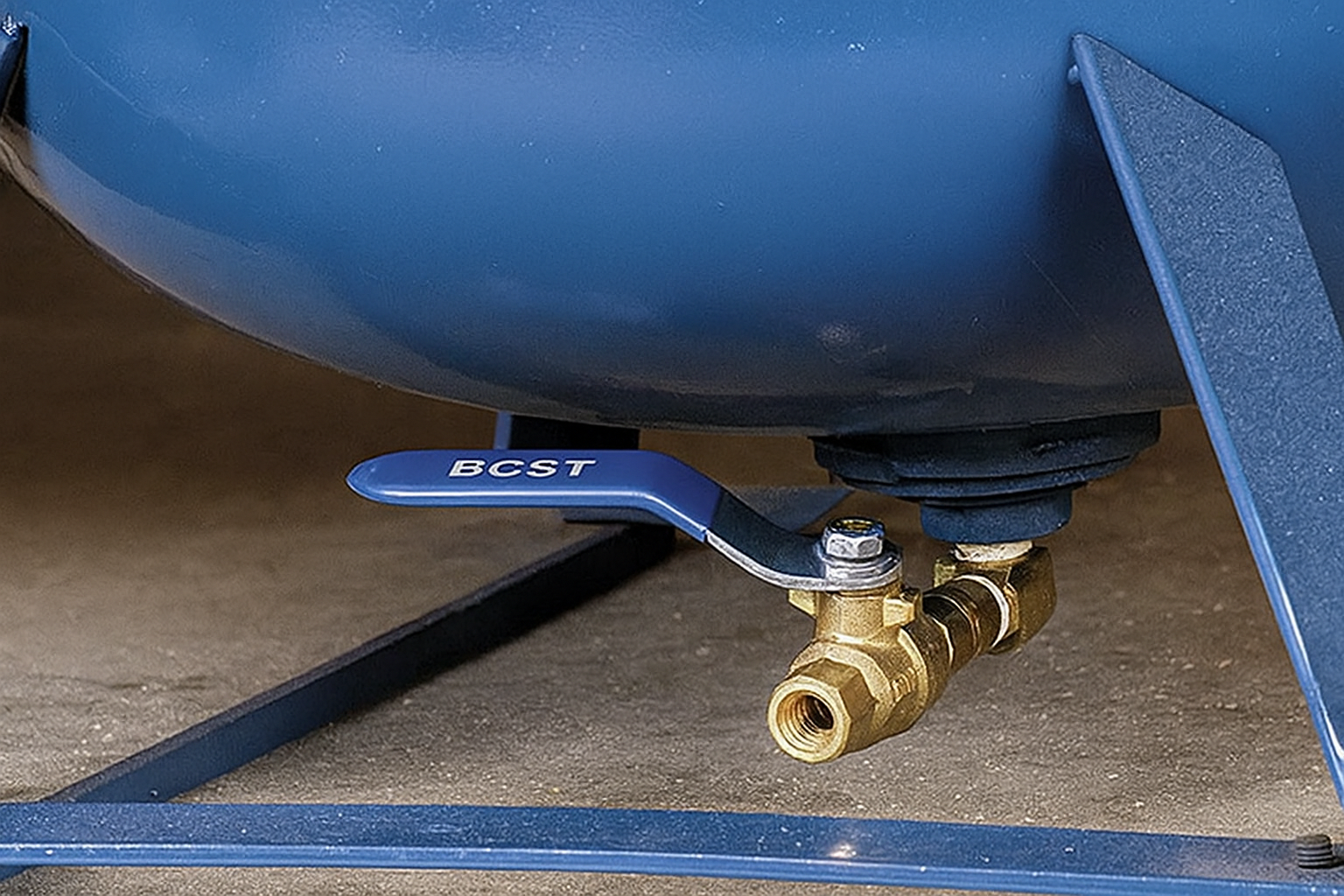
Now, imagine that same reliable valve, but with one simple, brilliant addition: a small, accessible port on the side. That’s a ball valve with a drain. This isn’t a total redesign; it’s a smart evolution. That little port is a gateway to the trapped fluid, and it changes everything.
Suddenly, you can:
- Breathe easy during maintenance. Before anyone puts a wrench on a flange, you can open the drain to vent any hidden pressure and safely empty the valve. No dangerous surprises.
- Actually drain the line. No more wrestling with pipes or needing complex setups. Just connect a hose and let it flow.
- Grab a quick sample. Need to check product quality? The port lets you take a sample without shutting everything down.
Making the upgrade to a ball valve with a drain isn’t just about adding a feature; it’s about giving your team more control, more safety, and a much easier workday.
A Side-by-Side Comparison
Sometimes you just need to see it side-by-side. Here’s a simple breakdown.
| Feature | Traditional Ball Valve (The Workhorse) | Ball Valve with a Drain (The Problem Solver) |
| The Job It Does | Simple, reliable On/Off control | On/Off control, plus easy draining & venting |
| Safety for Your Crew | Standard | Huge upgrade. Lets you check and release pressure before maintenance. No guesswork. |
| Weekend Maintenance | Can be slow and complex. You might need to break the line to drain it completely. | Fast and simple. Draining the valve cavity takes minutes, not hours. |
| The Price Tag | Lower upfront cost. | Slightly more upfront, but can save a fortune in labor, downtime, and safety costs. |
| The Right Fit | Great for simple lines, low-risk fluids, and places you rarely need to service. | A must-have for hazardous fluids, frequent maintenance spots, and any system where safety is #1. |
When to Specify a Ball Valve with a Drain
You don’t need to swap out every valve in your plant. But for certain situations, a drain port goes from a “nice-to-have” to an absolute game-changer.
- For the “Clean Freak” Systems: Think food processing or chemical plants where you have to purge lines between batches. This valve makes it fast and thorough.
- For the High-Maintenance Spots: You know the ones. The pumps, filters, and skids your team is always working on. A drain valve makes their job safer and gets your equipment back online faster.
- For the “Handle with Care” Fluids: If you’re working with anything toxic, corrosive, or flammable, this is a no-brainer. Safely containing every drop isn’t just good practice; it’s essential for keeping your people safe and your facility compliant. As OSHA’s Process Safety Management standards emphasize, engineering controls like this are your first line of defense.
- For Systems with a Temper (aka Steam & Hot Fluids): Here’s some scary physics: water trapped in a closed valve can increase in pressure by about 100 psi for every 1°F it heats up. A drain port allows you to relieve that thermal pressure before it damages your valve or causes a dangerous failure.
Beyond the Purchase Price: Calculating the ROI of a Drain Port Valve
Okay, the valve with the drain costs a bit more. But let’s talk about the costs you don’t see on an invoice.
- The Cost of Downtime: How much is an hour of lost production worth to you? A valve that shaves hours off maintenance pays for itself fast.
- The Cost of Labor: Simpler procedures mean fewer hands-on hours from your skilled technicians.
- The Cost of a Single Incident: This is the big one. An accident or a hazardous leak can cost millions in damages, fines, and lost reputation. An investment in a safer valve is one of the cheapest insurance policies you can buy.
When you look at the total cost of ownership, the decision becomes much clearer. You’re not just buying a valve; you’re buying uptime, safety, and peace of mind.
The Final Analysis: A Smarter Investment in Safety and Efficiency
So, in the ball valve vs. drain valve debate, what’s the final word? The traditional ball valve will always have its place as a simple, reliable component. But for any critical part of your process, the ball valve with a drain is simply a smarter, safer, and more modern way to operate.
This isn’t just a technical decision. It’s a decision about protecting your maintenance crew from hidden dangers. It’s about giving your operators better control over the system. And it’s about giving yourself the peace of mind that you’ve built a process that is as safe and efficient as it can be.
Partner with Our Experts to Optimize Your System
Choosing the right components can feel overwhelming. At BCST Valve, our team is made up of engineers who have been in your shoes. We’re here to be your partners, not just your suppliers.
If you’re ready to stop dreading those maintenance shutdowns, let’s have a real conversation about your needs. Get in touch with our team today. A real person will answer, and we’ll help you figure out if this is the right move for you. No sales pitch, just solutions.


 English
 Arabic
 Russian
 French
 Spanish